
Talos I: A Brief History
Before it was acquired by the TranStar Corporation in 2030, the space station now known as Talos I had a long history, serving as a joint US/USSR research facility.
1963
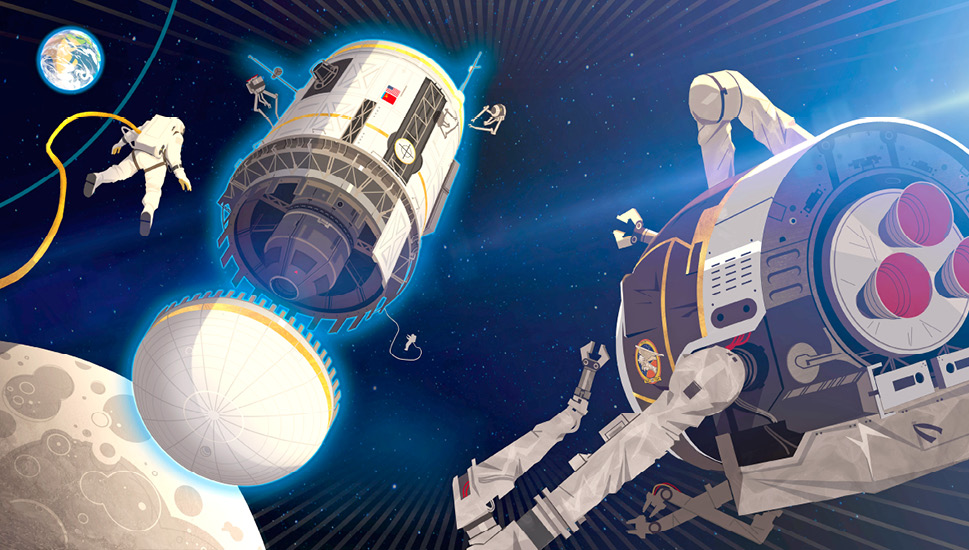
A top secret Cold War negotiation culminates with Americans and Soviets working together on a research facility named Kletka. Kletka, Russian for “cage,” produces the skeleton and core of what will one day become Talos I.
1964
After the attempted assassination of Kennedy, and Kruschev’s departure, the US pays for the rights to use Kletka as a testing facility. This period, known as Project Axiom, leads to many advancements in next-generation materials and bioscience fundamental to neural modification.

1980
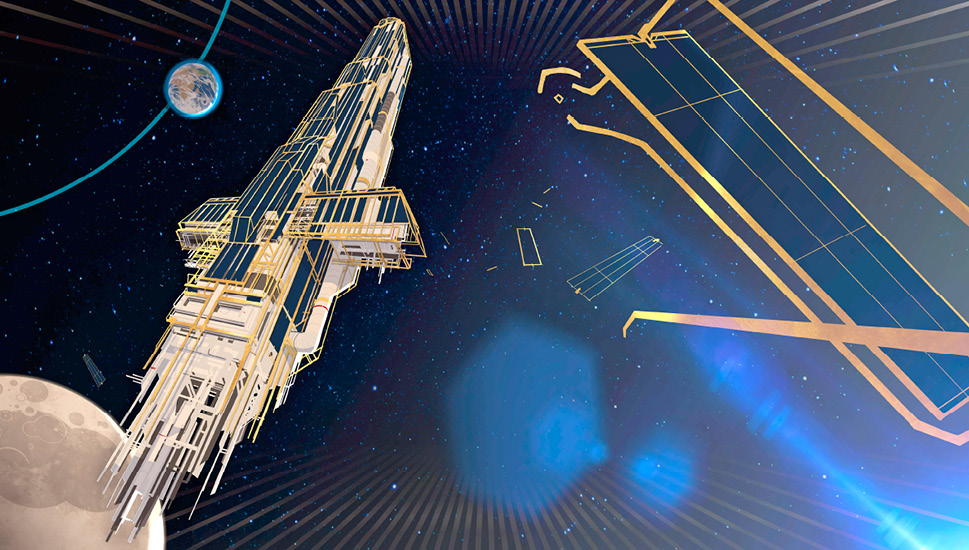
Geopolitical development results in a temporary hold on Project Axiom. After the unfortunate Pobeg Incident, in which two research scientists lost their lives, the Kletka facility is decommissioned and cleaned.
2025
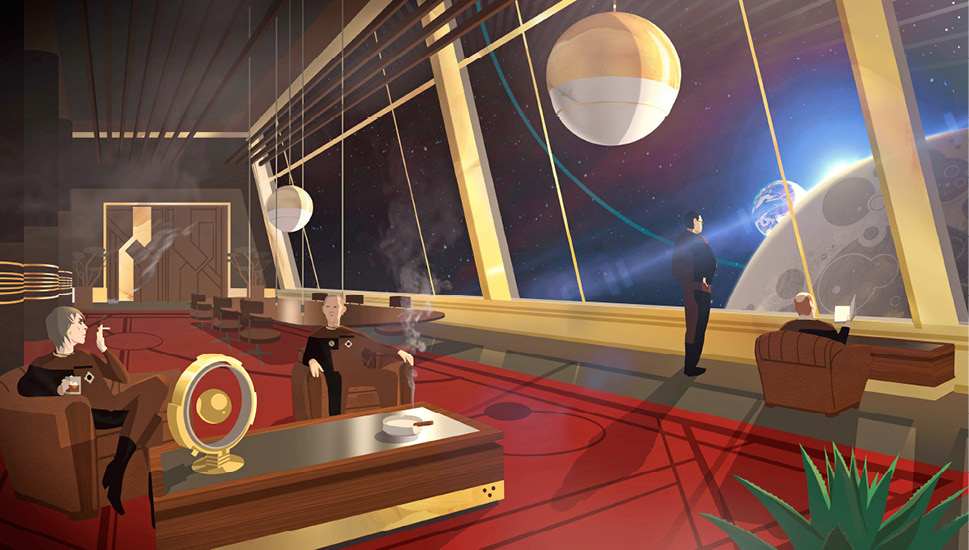
The TranStar board of directors is established. TranStar purchases and privatizes the Kletka facility with a focus on safety and state of the art upgrades.
2030
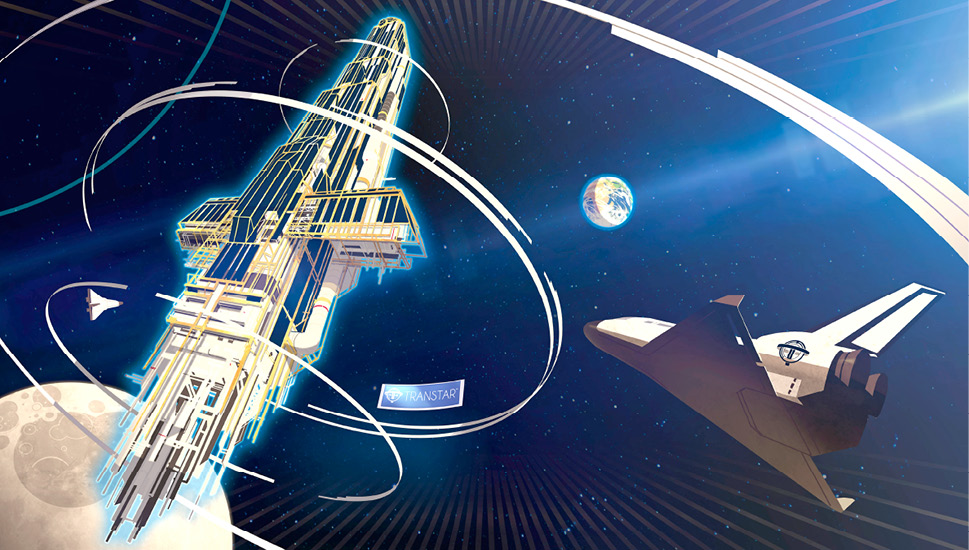
Talos I becomes fully operational, representing a monument of private space industry. The first Neuromod is released, allowing for dramatic enhancement to the human mind and body.
Timeline: Classified Events
To this date, the public and most TranStar employees are completely unaware of the true research being conducted on Talos I. Evidence of the Typhon entities has been covered up by world governments for decades. TranStar continues the tradition of secrecy, fearing negative publicity and financial losses.
1958
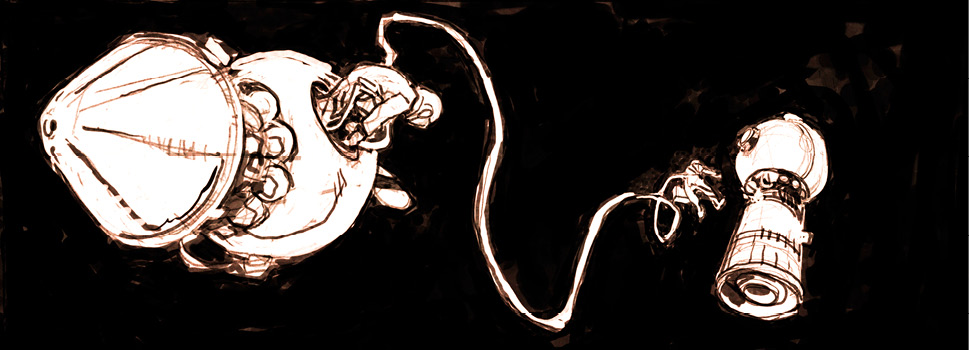
- Soviet Union launches the Vorona I satellite.
- Satellite entered stable orbit around moon; transmitted deep space telemetry back to Earth.
- Communication from satellite ceased.
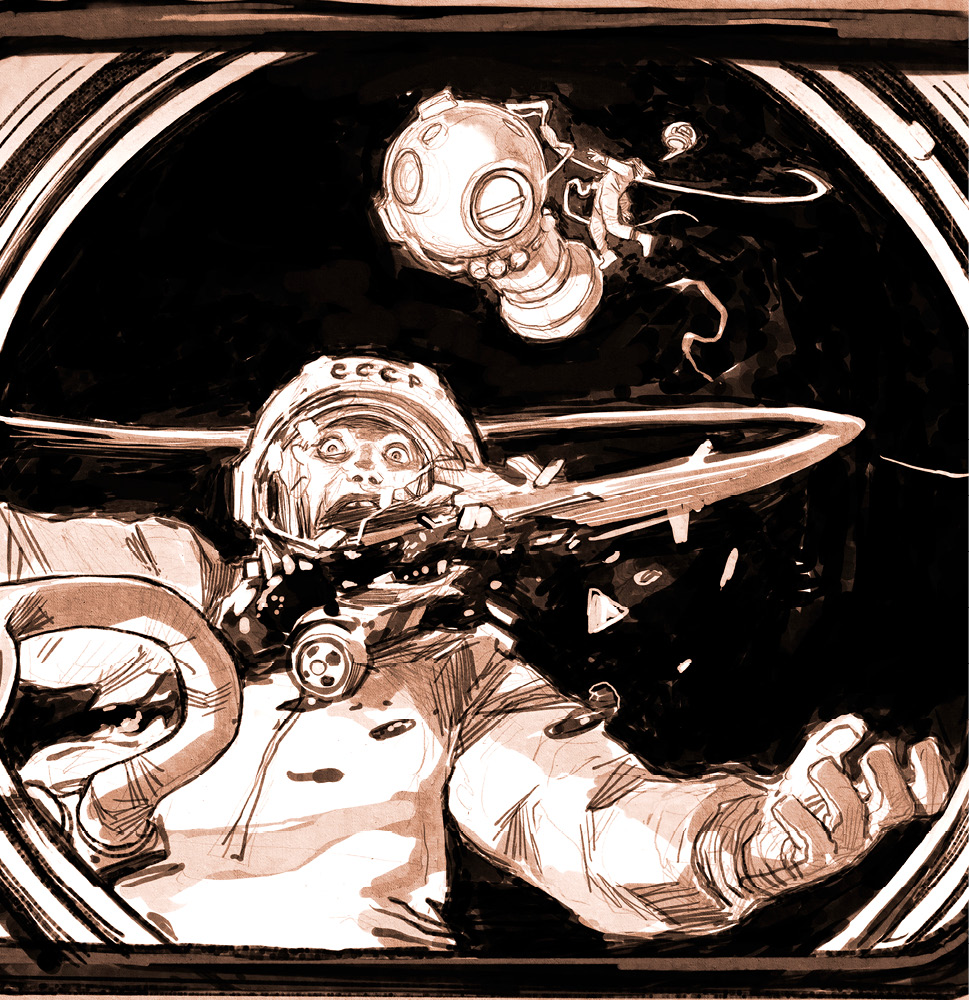
- Russians launch manned mission to investigate satellite; repair team finds no external issues.
- Cosmonauts ordered to breach satellite; encounter non-terrestrial lifeform.
- All members of mission were lost and footage becomes State secret and buried.
1960
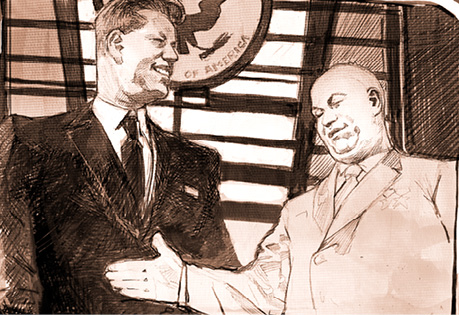
- Soviets contact US and ask for help containing the non-terrestrial threat.
1963
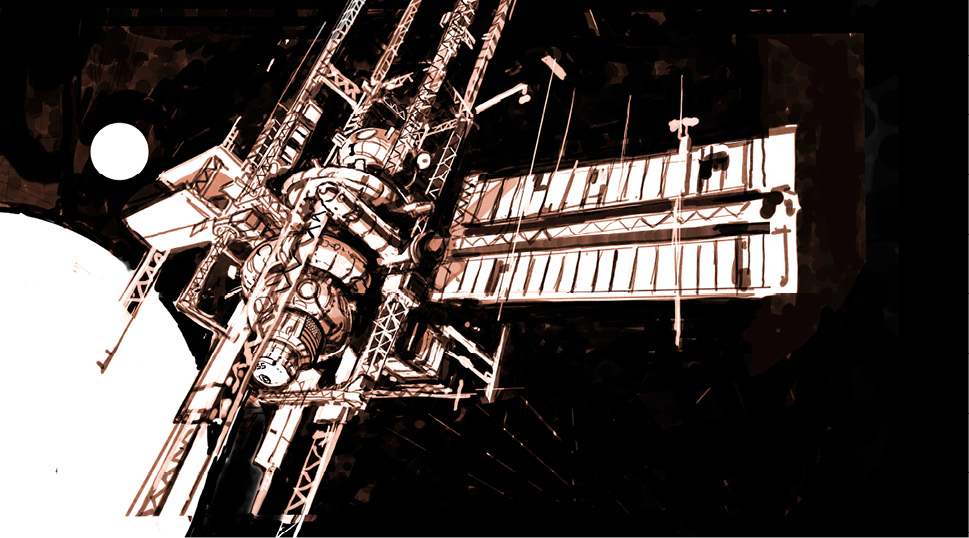
- Kletka Program: US/USSR collaboration; permanent space installation to contain non-terrestrials.
- After assassination attempt, US President JFK seizes control of the Kletka Program.
1963-1984
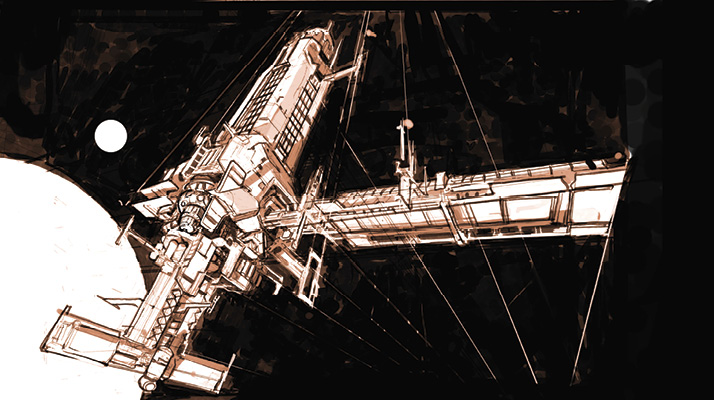
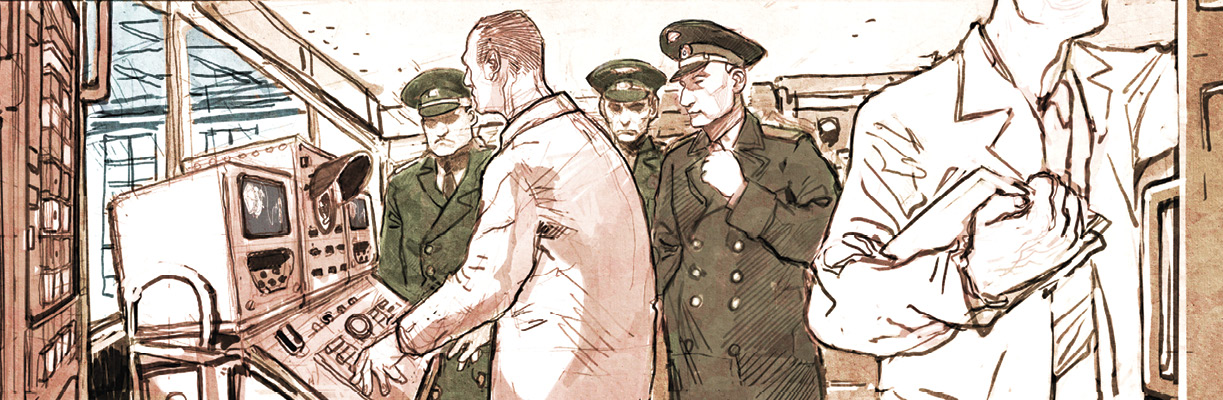
- Kletka Program expands to large space station; fully functional R&D facility.
- American teams study non-terrestrials, labeled Typhon.
- Unable to harness Typhon abilities into commercial or military applications.
1998
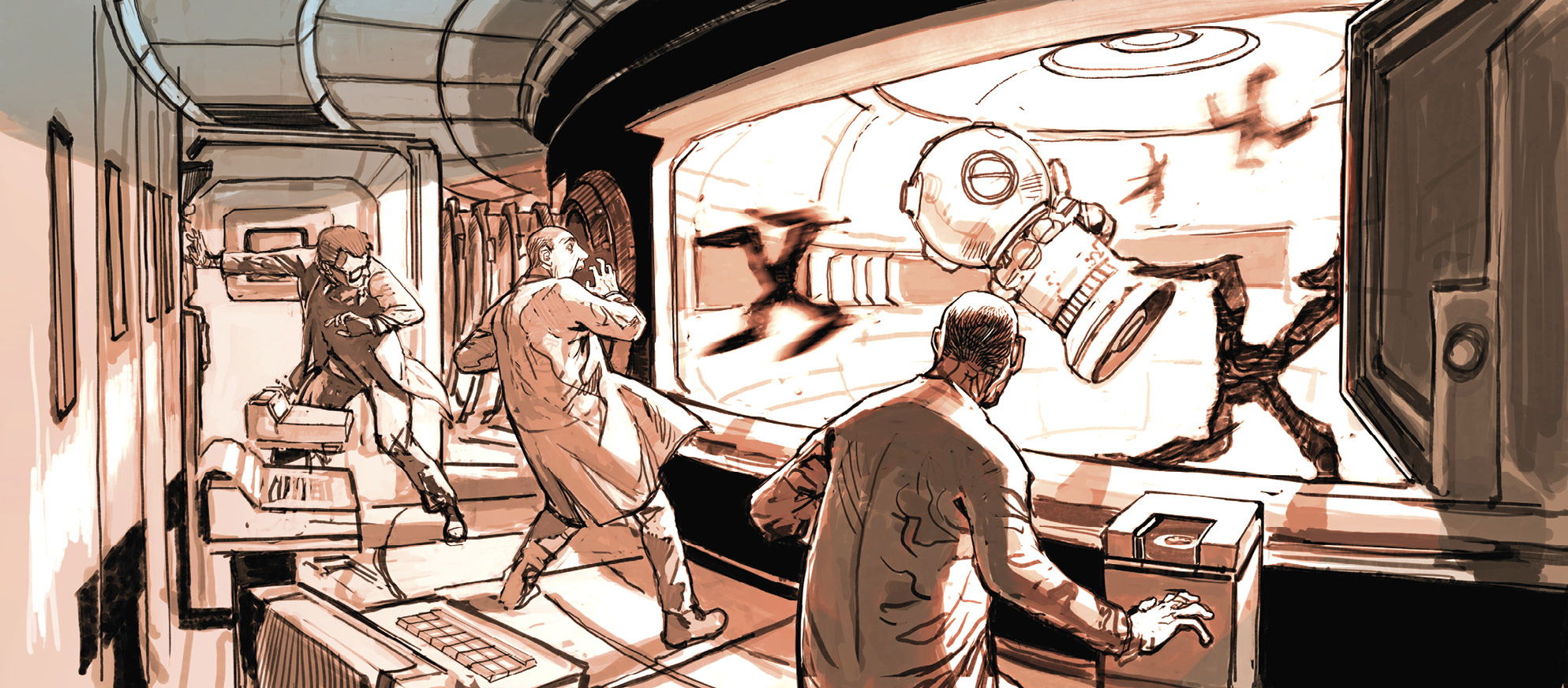
- Containment failure leads to death of entire research team.
- Station abandoned.
2030
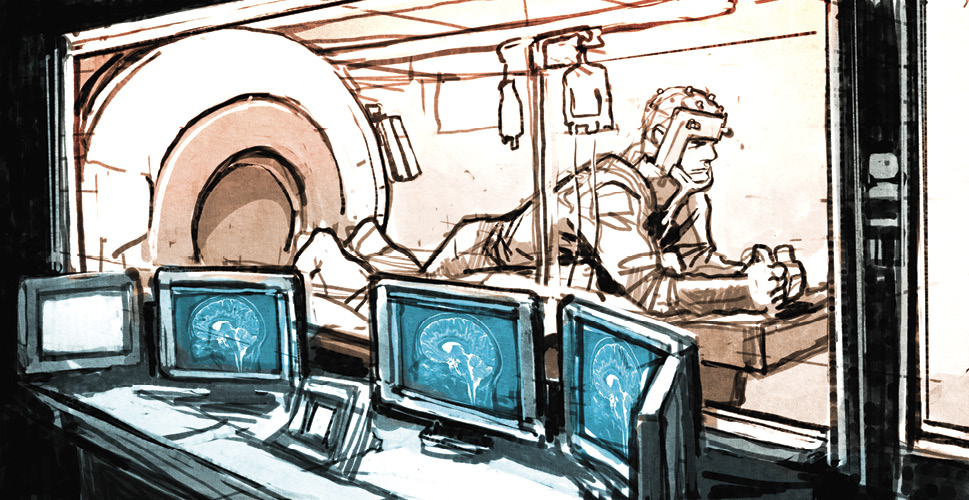
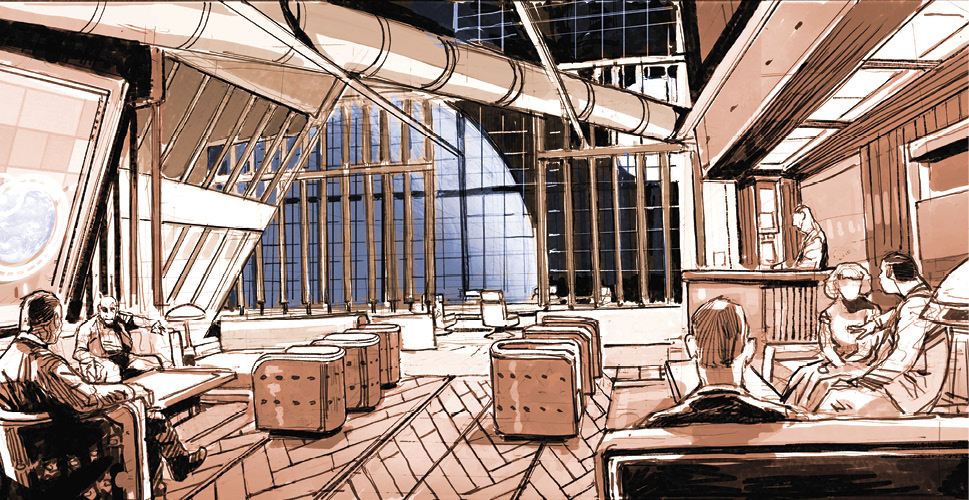
- TranStar Corporation acquires station; renames it Talos I.
- Within five years, team achieves greater understanding of Typhon organisms.
- Innovations from Psychotronic Division redefine what it means to be human through Neuromods.