Civilization Beyond Earth Guide Multiplayer
Flexibility in Your Strategies
Many of the ideas that help you excel at single-player games are also going to help you during multiplayer games. However, when you're playing against real people, you must watch out for additional things. Human opponents have the ability to adapt to your clever tricks, making it possible for good plans to become big errors.
This chapter will discuss some of the common problems and possibilities when you take on other Civilization players.
Use Flexibility in Your Strategies
Flexibility was mentioned in the single-player chapter, but it's even more important to stress here. Fixed methods of growth and defense are going to get you in trouble when you're facing human players. During a game, that can come back to bite you. Across multiple games, if you play with the same people, it's really going to get you in trouble. People watch their games and think about what's going right and wrong. This is even true of mediocre players. Even when they're just playing quickly and hurrying through turns, part of their head is in the mechanics of the game. When something doesn't work, it upsets them, and they'll try to fix it in the future.
Let's see how to mix up good playstyles.

Change Your Military Goals Based on Rivals' Actions
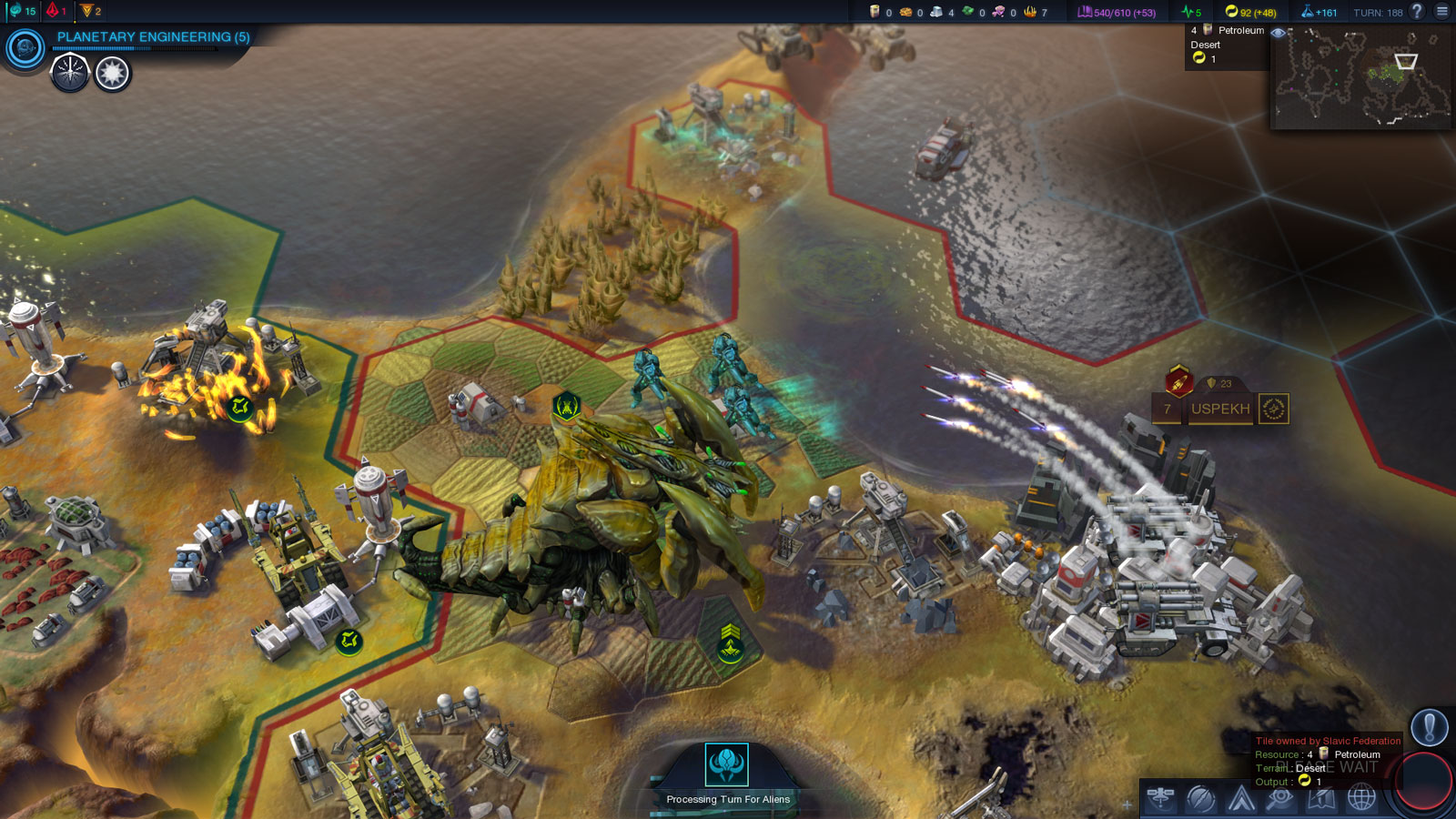
Don't always use the same unit upgrades and groups of attackers. If you're always raiding with bands of rovers, your opponents aren't going to leave their flanks and peripheral cities undefended for long. Instead of single gunners, they'll start putting a couple of melee units, an orbital, and a ranged unit near every vulnerable point in their borders. It's going to be impossible for a small raiding party to deal with that, so don't try.
Avoid mindlessly charging against a player who is turtling their borders like that. If they are creating a defensive military that large, let them! They're devoting serious time to their defense, and that time and Production could have been going toward infrastructure, wonders, and other long-term goals.
Change tactics when your opponent changes theirs. Be aggressive against players who are overdeveloping (too many cities, few units, multiple wonders popping out). Use defensive forces to punish militarists who come at you for fast kills and easy territory. Deploy defensive orbitals, fortify cheaper melee units in front of your cities, and keep the war going steadily for as long as you can. Longer wars often favor the defender.
Specialized Units
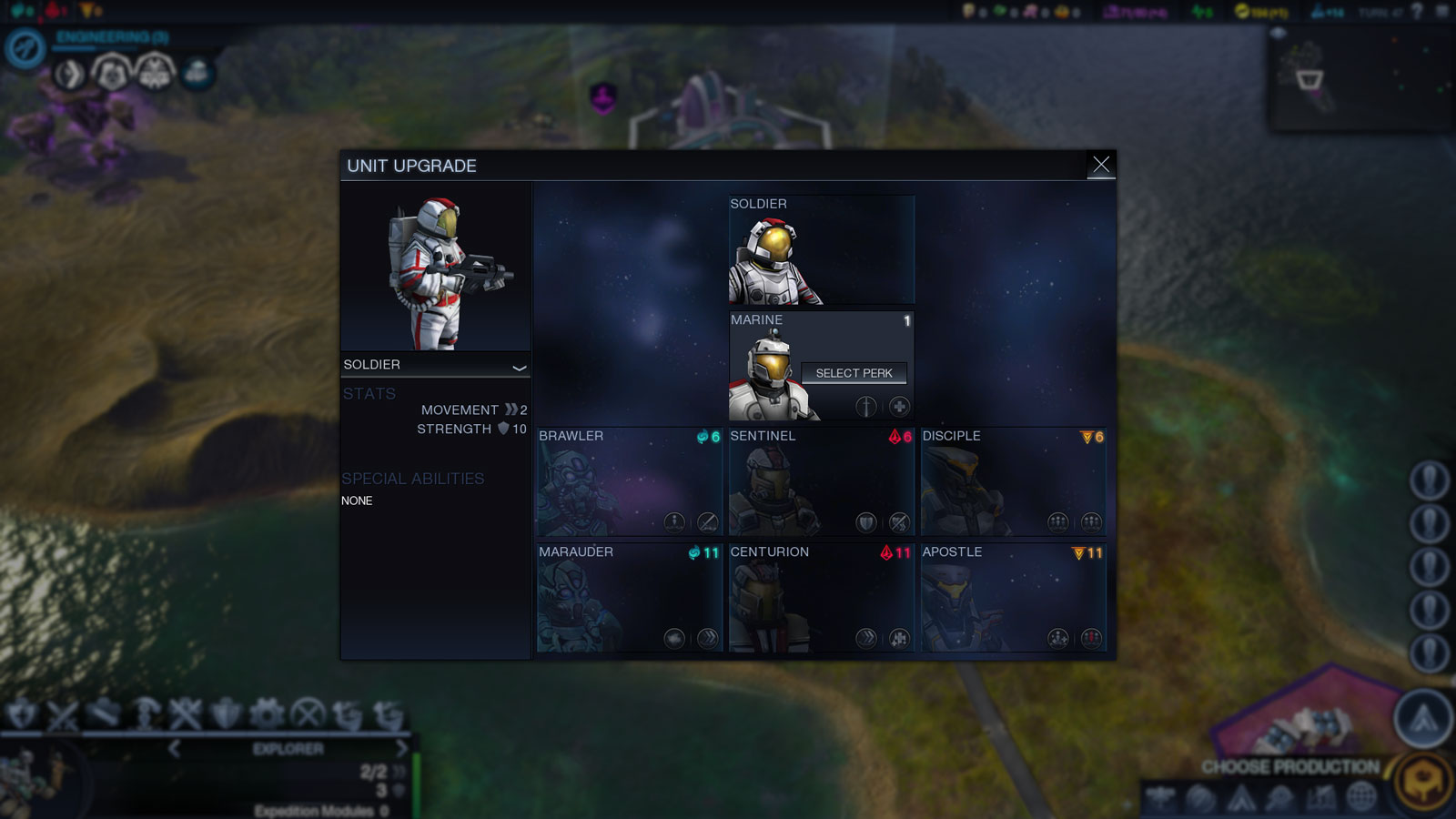
One powerful trick is to differentiate your units as strongly as possible. Make one melee unit a good attacker, but give totally defensive bonuses to another type of unit. Only use your defenders on internal operations, and let your attackers go off to campaign. This specialization of your military is great for keeping your opponent off guard. They're always going to be facing something with good bonuses for the task at hand, so they'll need different tactics when fighting you offensively and defensively.
You've already learned to avoid doing the same thing every time, so try not to specialize your military the exact same way each game. That way, you force yourself to develop new methods of specialization. You won't always have many exploitable weaknesses when playing against the same people in the future because they'll have to wait and see what you're doing each time rather than assuming that you are playing the same way as you did the game before.
Constantly Use Your Spies
The computer lets you scout way too aggressively. Your people can watch the borders of most nations quite frequently as long as you don't stick around or bring too many buddies. Moving along the border and then quickly darting away doesn't get much attention.
That isn't the case with humans. They'll recognize that you're sizing them up, and then they'll prepare additional defenders. Use that against them sometimes by pretending to get an attack ready. They'll assume that you're scouting with purpose and waste time moving people around or training new units that aren't required.
When you really do want information about the layout of an area, use spies instead of military units. Spies are far more effective scouts because their networks give you tons of information about the layout of a region, the things that are being built there, and so forth. Even your best military units can't scout that well! Also, your enemy isn't likely to know what's going on if you only use low-difficulty covert operations.
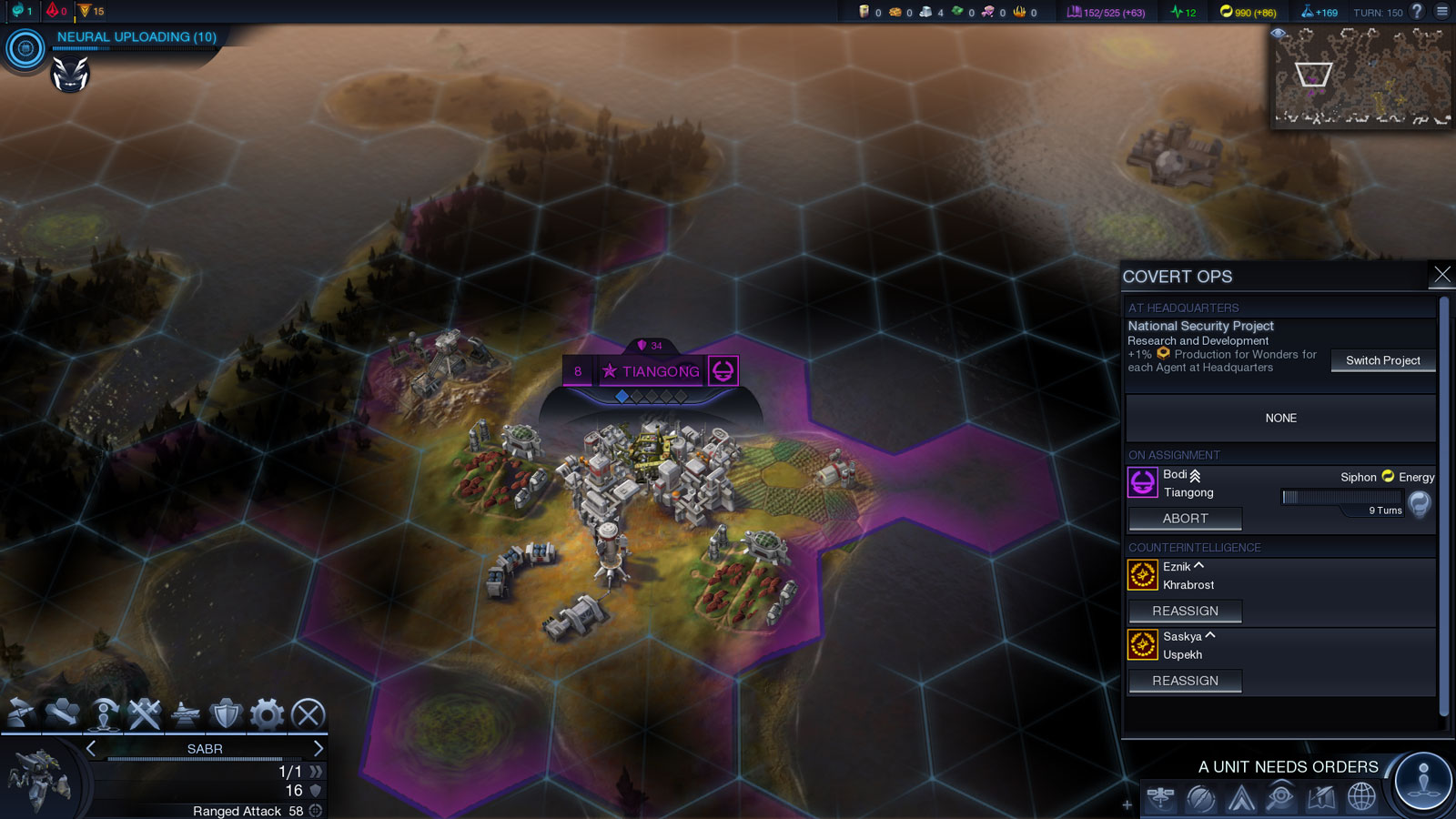
Use multiple spies throughout a given enemy nation so that you can see even more of their terrain, unit movements, etc. This has the added advantage of avoiding trouble with more than one person if you get caught.
Watch players' cities to see when their forces are deployed in a way that isn't defensive. Are they rushing toward a different border to deflect someone else's attacks? Maybe it's a good time to strike. Friendships are nothing if not ephemeral during multiplayer matches.
Trade with Multiple Nations
Players aren't immune to the positive effects of trade, as well. People like getting free resources without even lifting a finger. If you trade with multiple players, you're slightly less likely to be attacked, all things being equal.
Your job is to make sure that things remain equal! Keep your forces as strong as possible to ensure that you aren't a soft target. No one is going to care about trade if you're so soft that they can take out your nation without major losses. Instead, you need to be tough and profitable.
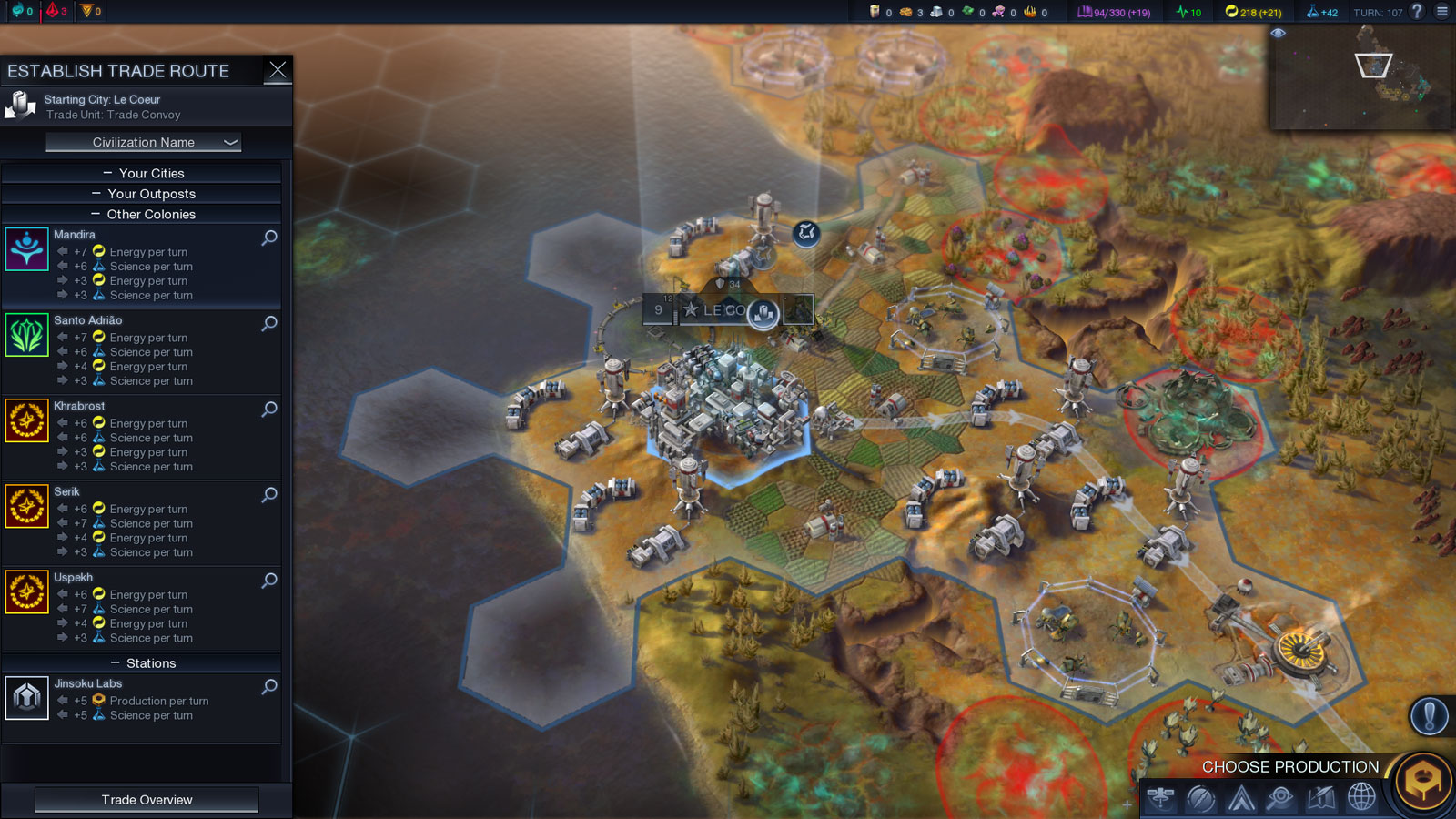
This becomes less useful in the late game. Once people are close to victory, no one cares about a few resources. Victory is in the balance, and you can't trust any friendship that you aren't able to back up with violence.
Encourage everyone you trade with to sign cooperation agreements; these raise trade benefits without having any cost or downside.
Money is Still the Best Counter
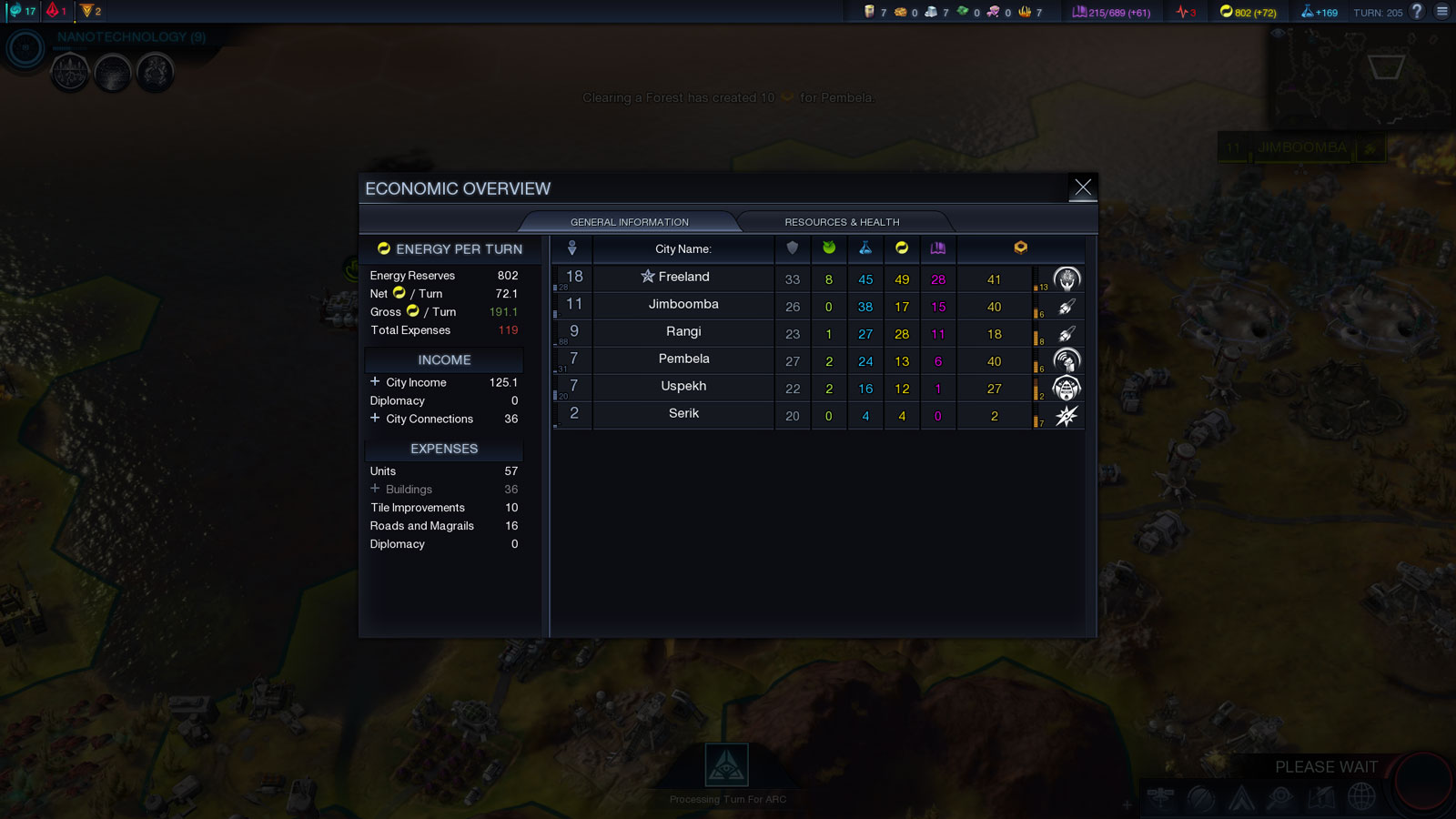
Energy is a powerful tool, and that's doubly true in multiplayer matches. The ability to quickly summon troops or defensive buildings is incredible when you're dealing with the dynamic nature of human players. AI games are easier because you get a strong feeling for the flow of warfare; it's easy to see things coming. Because you can't predict humans as well, you must have Energy on hand to slow down sudden onslaughts. Buy a defensive perimeter and an extra melee unit to protect a city that's suddenly in danger. That might get you enough time to bring forces over there using your awesome road network.
Don't use money just to develop young cities. That's a great method in single-player games, and it still has its place in multiplayer games, too. However, be aware that a rainy day fund of 1,000 Energy credits can often be the difference between losing a city during a raid or fending off an attack force and having a chance to strike back.