Super Smash Bros. for Nintendo 3DS Guide Characters A-J
Jigglypuff
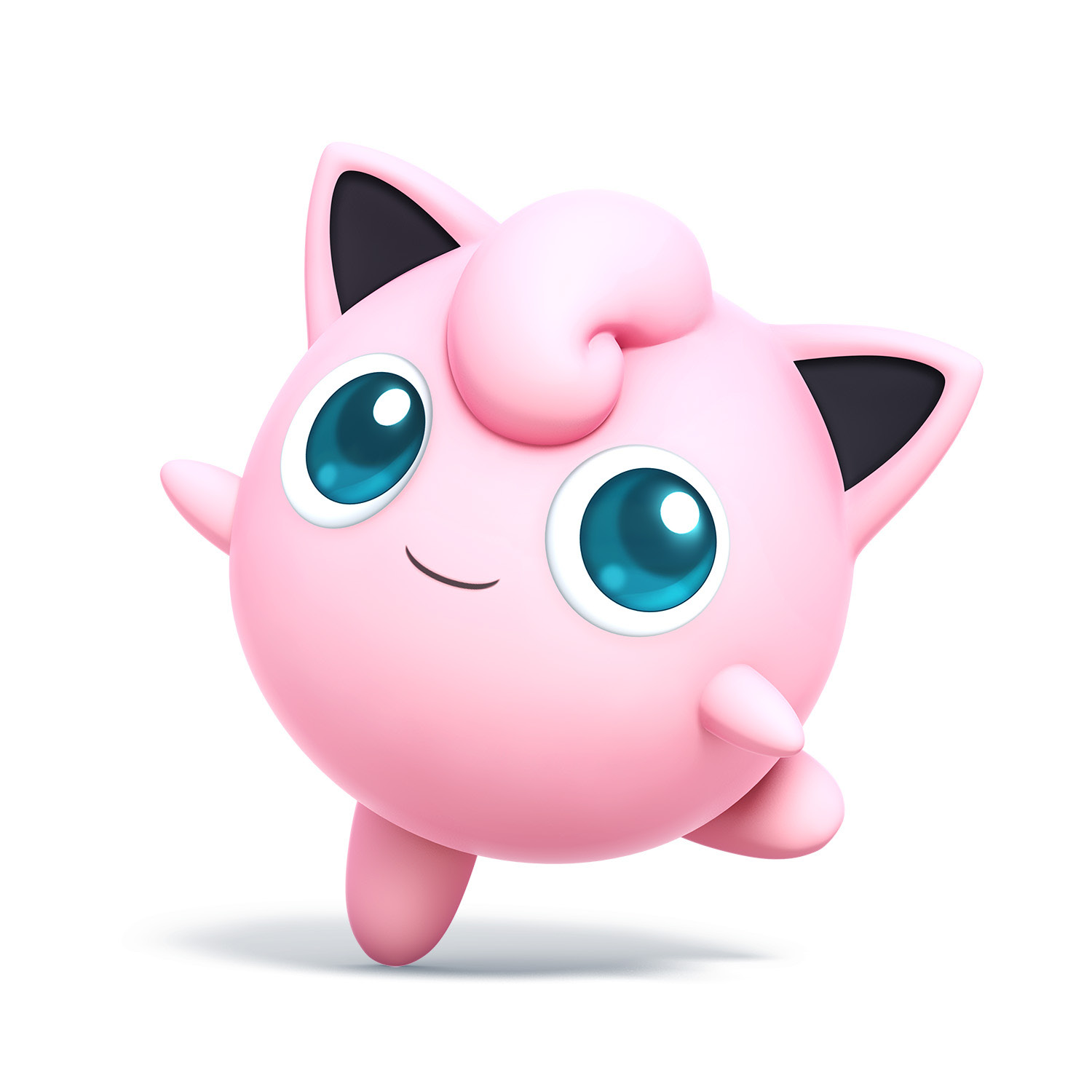
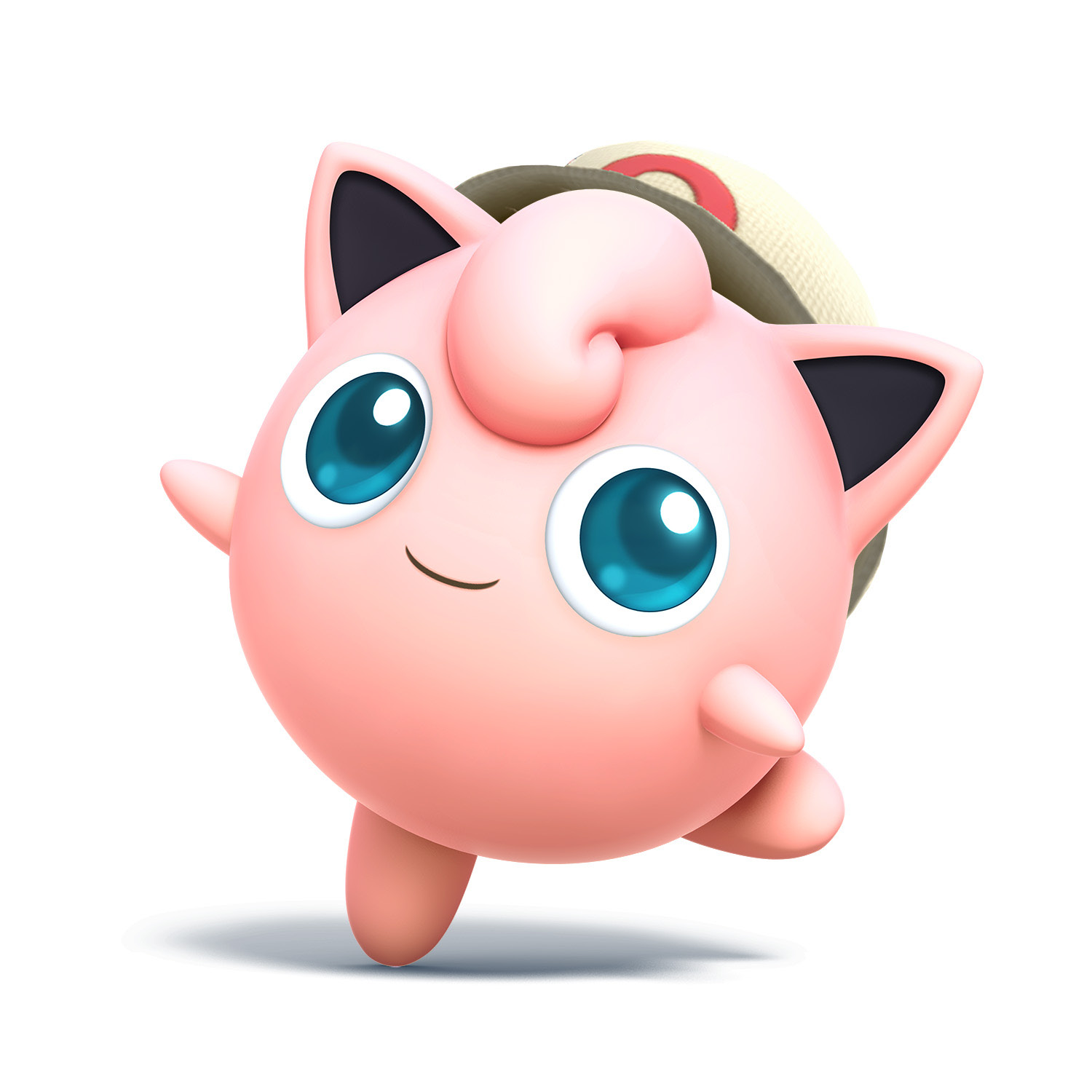
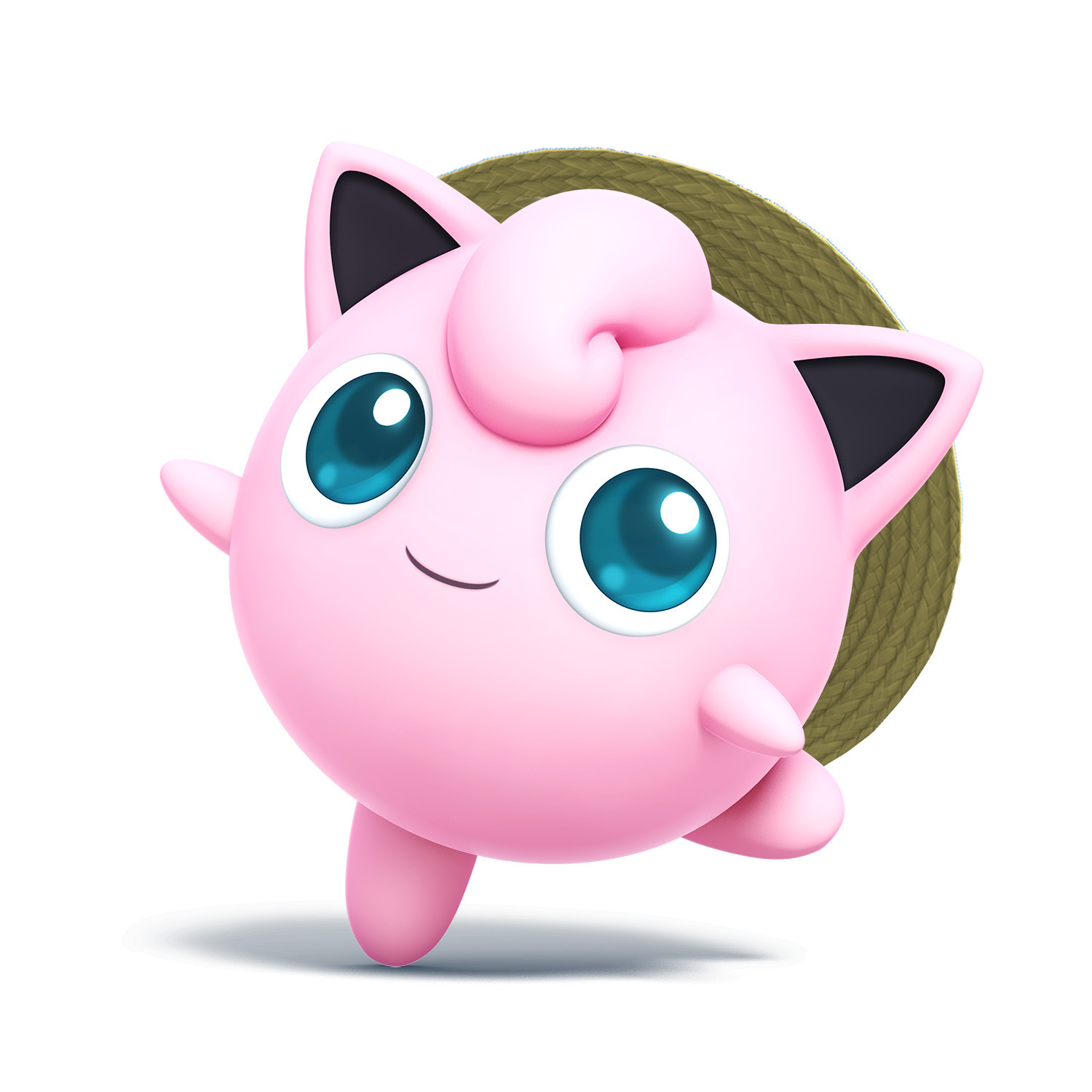
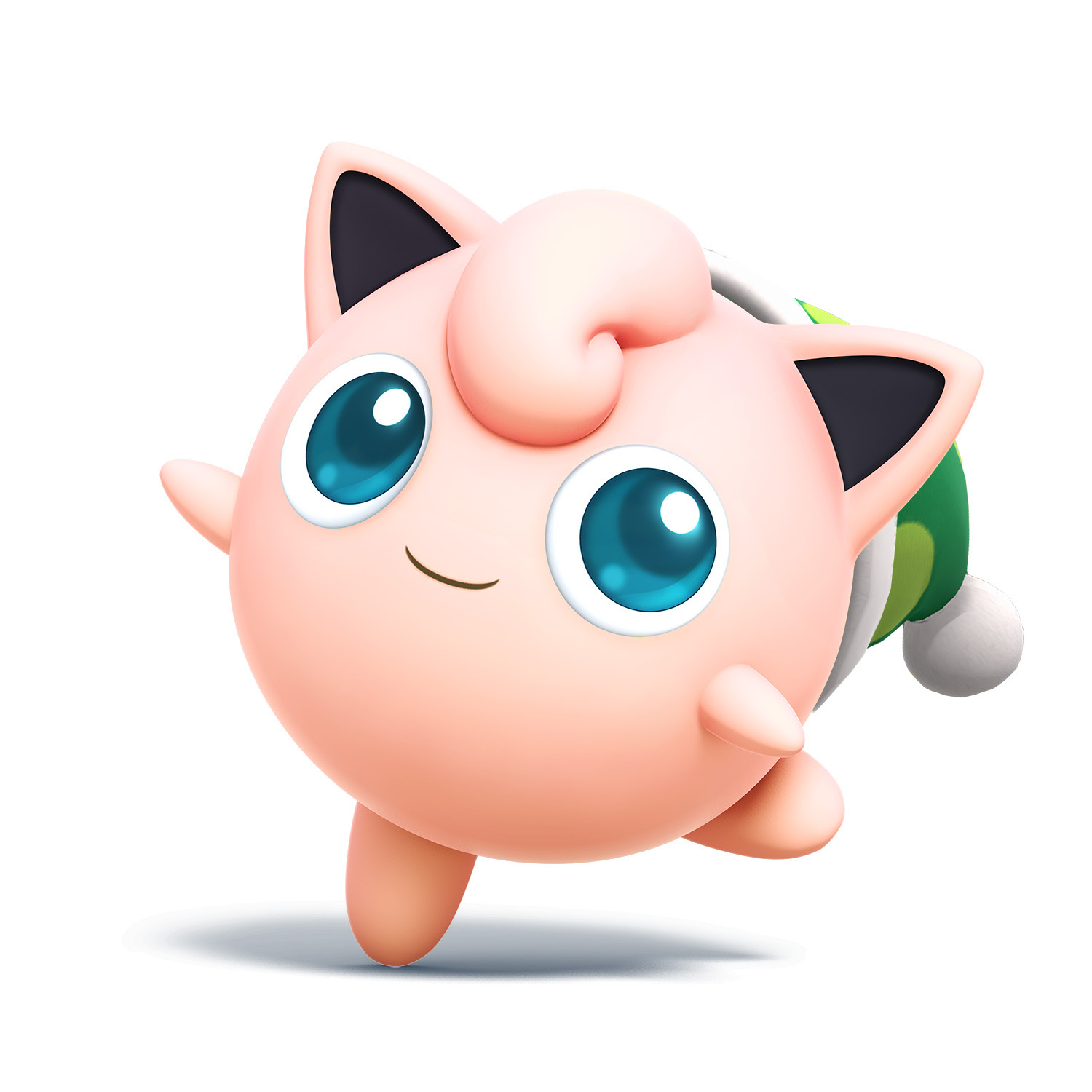
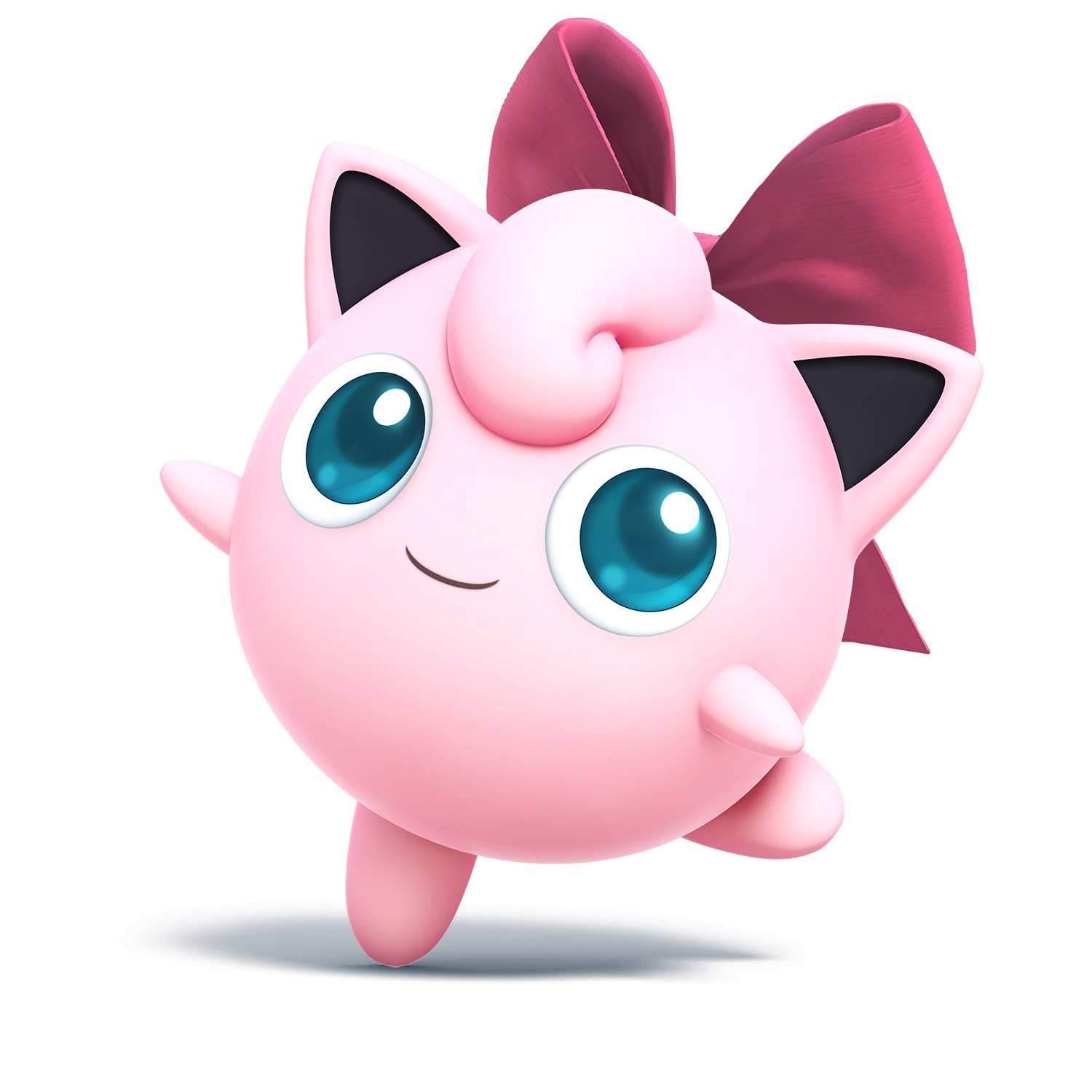
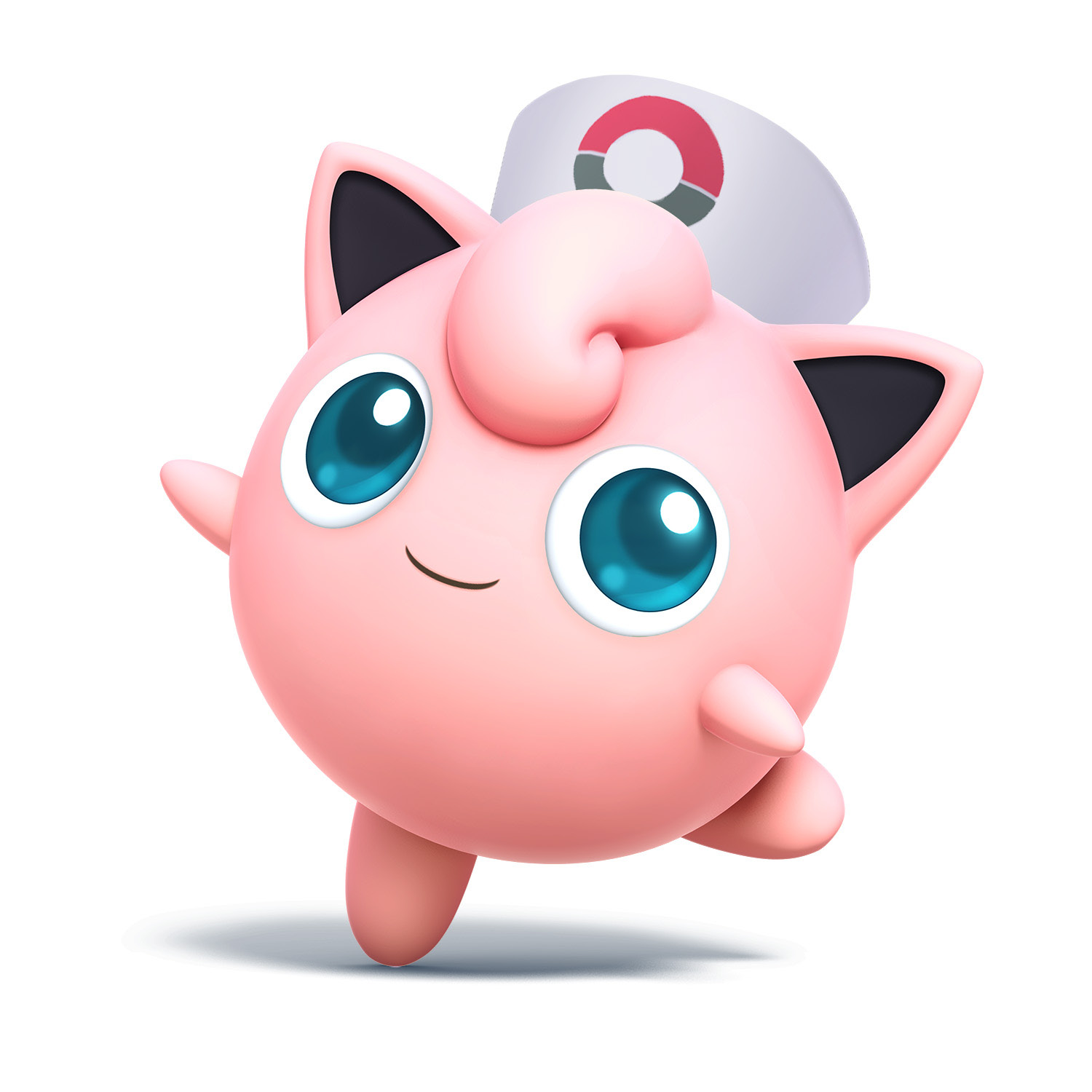
Trophy DescriptionThis Normal/Fairy-type Pokémon is best known for its soothing singing, which can put foes to sleep. In Smash Bros., it fights best in the air and can even jump six times in a row. The downside, though, is that Jigglypuff’s so light, most opponents could launch it in their sleep! Statistics
|
Smash Attacks
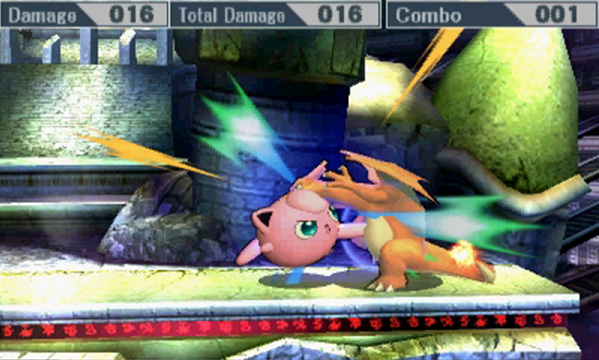
SIDE SMASH
Jigglypuff lunges forward with a front kick! This is Jigglypuff’s longest forward range and highest damage Smash attack.
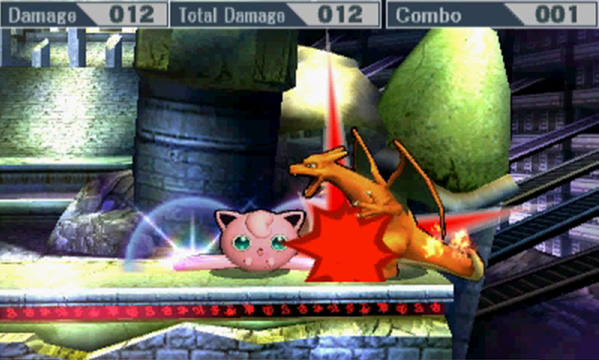
DOWN SMASH
Jigglypuff’s feet stretch out, attacking opponents on both sides.
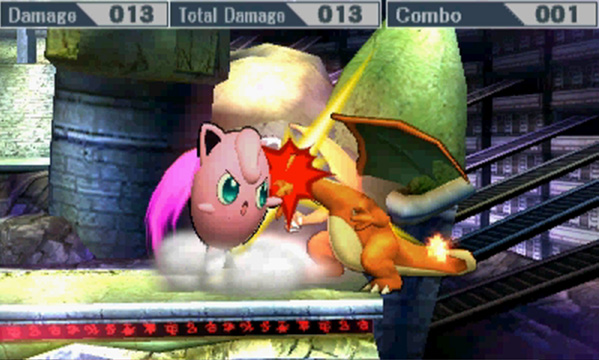
UP SMASH
Jigglypuff headbutts forward!
Basic Attacks
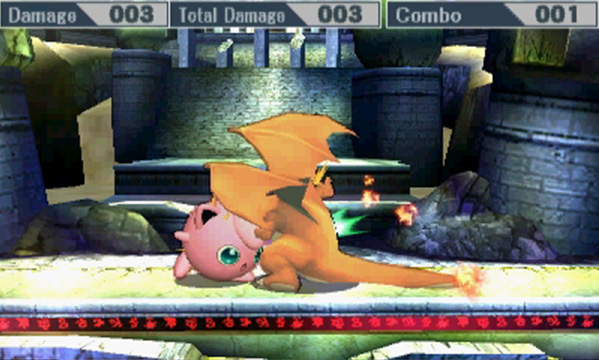
Standing Attack
Jigglypuff quickly jabs forward twice.
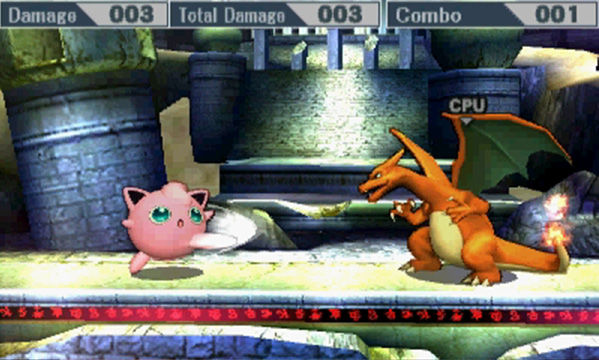
Forward Tilt
A spinning horizontal kick attack. This can be aimed up or down.
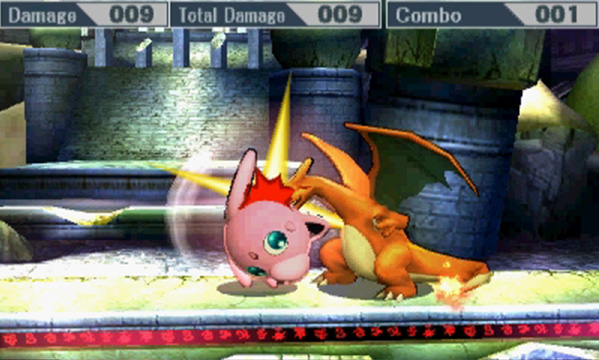
Up Tilt
Jigglypuff quickly leans forward and kicks up from behind its body, launching opponents upward.
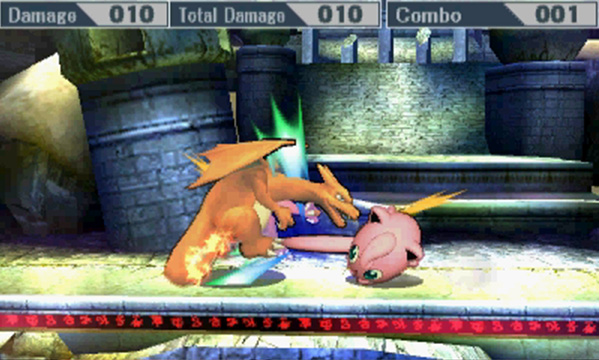
Down Tilt
Jigglypuff crouches and kicks out a leg toward your opponent.
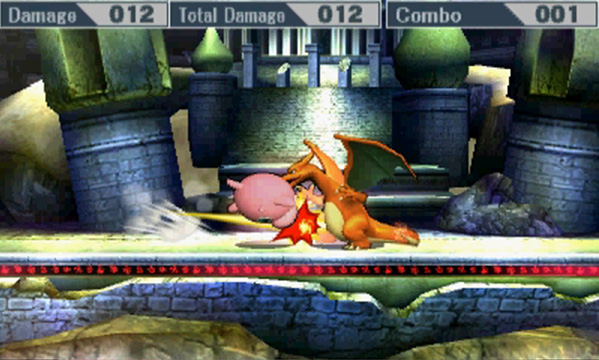
Dash Attack
Jigglypuff dashes forward with a flying headbutt attack!
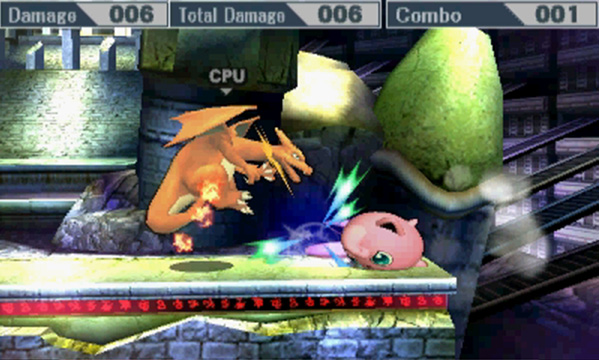
Edge Attack
Jigglypuff returns to the stage with a surprisingly long-range kick attack.
Air Attacks
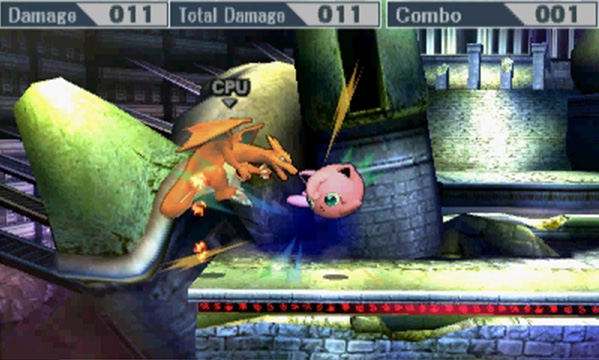
Neutral Air Attack
Jigglypuff does a jumpkick attack. This stays out for a long time and does less damage if it hits later.
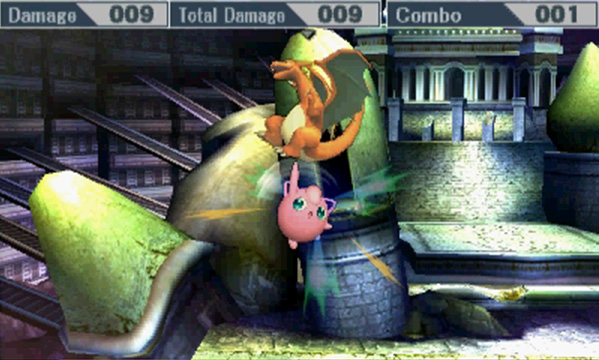
Up Air Attack
Jigglypuff swings an arm overhead, knocking opponents higher up. Can be useful for combos.
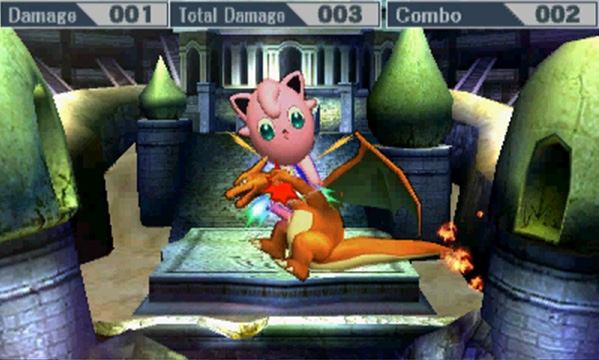
Down Air Attack
Jigglypuff drills down into the opponent, hitting multiple times.
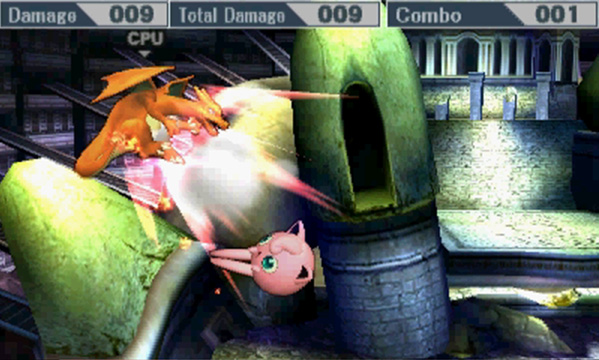
Forward Air Attack
A dropkick attack that has good knockback.
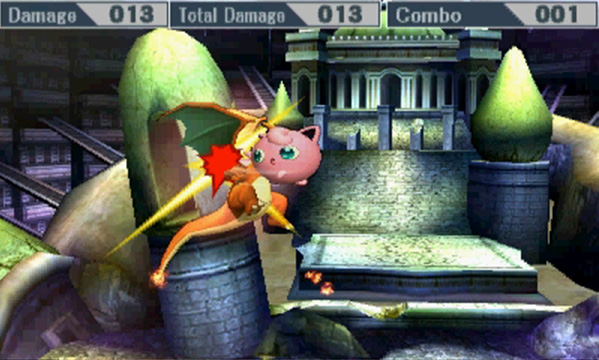
Back Air Attack
Jigglypuff kicks backward while spinning to face that direction.
Special Attacks
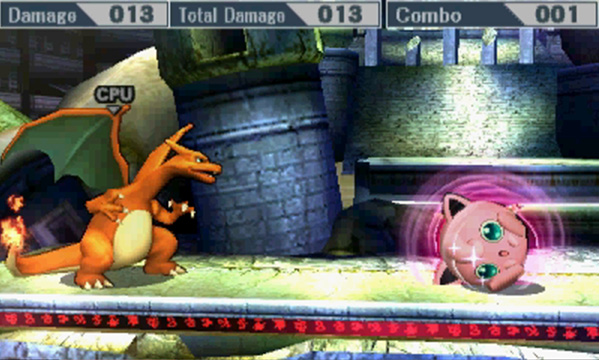
Rollout (Neutral Special)
This rolling attack can be charged for greater speed and damage. You can control the direction and cause a spinout by hitting the opposite direction you are traveling.
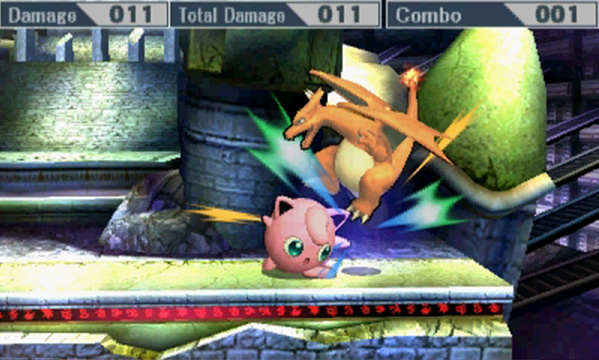
Pound (Side Special)
A stiff forward-moving slap that causes the opponent to pop vertically into the air.
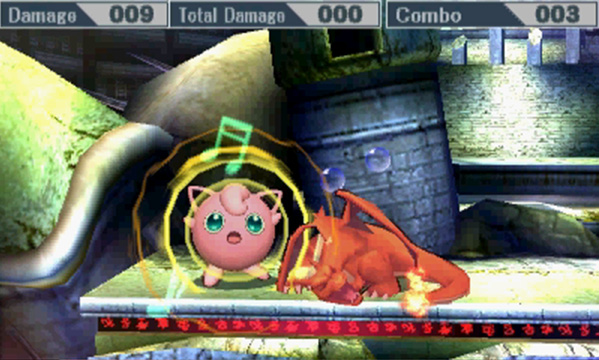
Sing (Up Special)
Jigglypuff sings nearby opponents into a drowsy state, leaving them vulnerable for free followups. This only hits on grounded opponents.
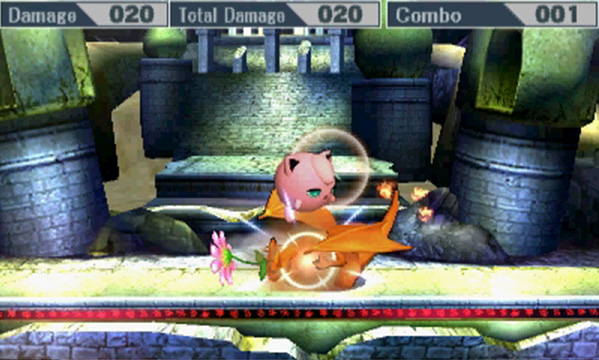
Rest (Down Special)
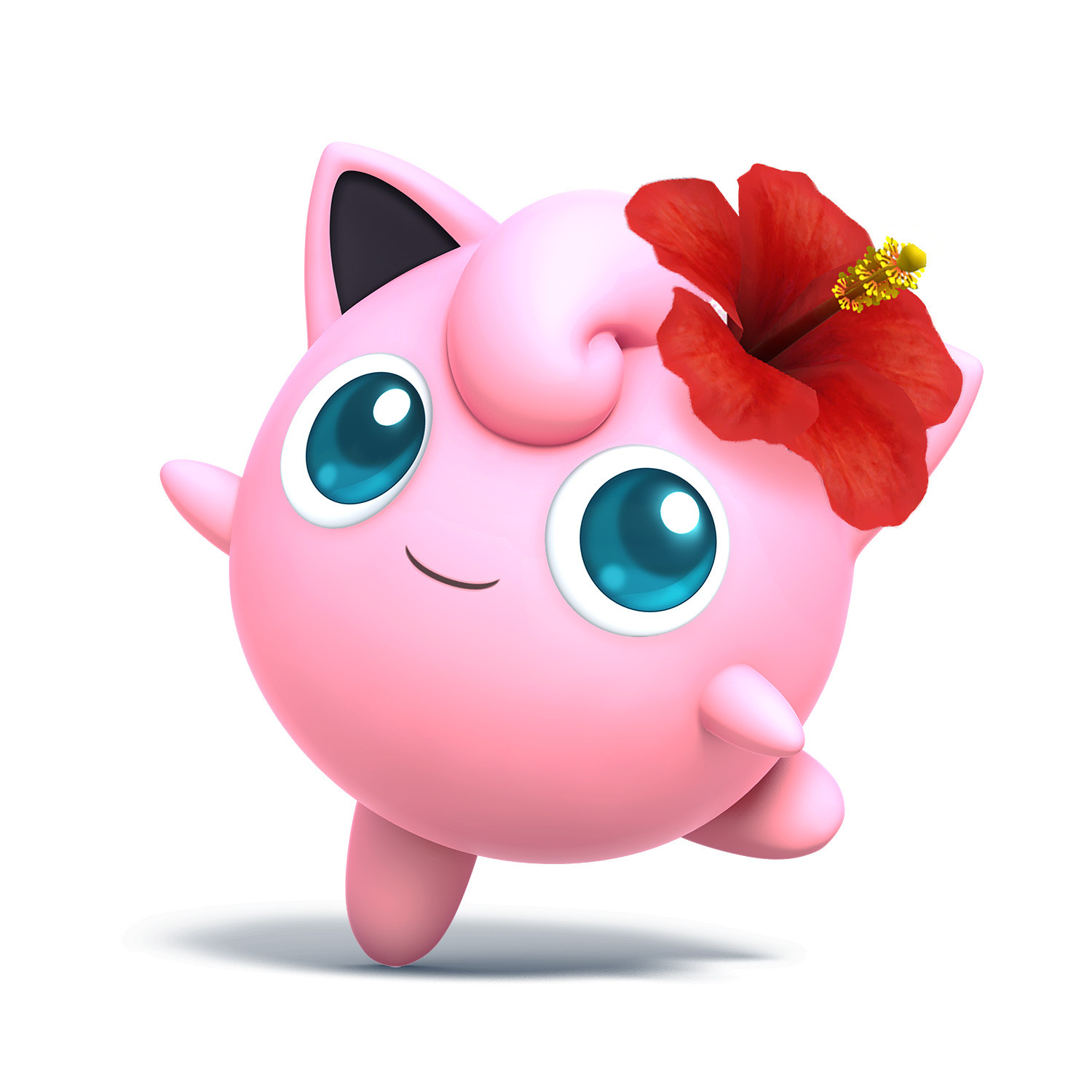
Jigglypuff takes a nap, and anyone who is making contact at that moment is in for a rude awakening. If any opponents survive the hit, they have a flower on their head that does damage over time. This move has a very small hitbox and should only be used when you are close enough to move an opponent or if opponents are attacking you and about to make contact.
Final Smash
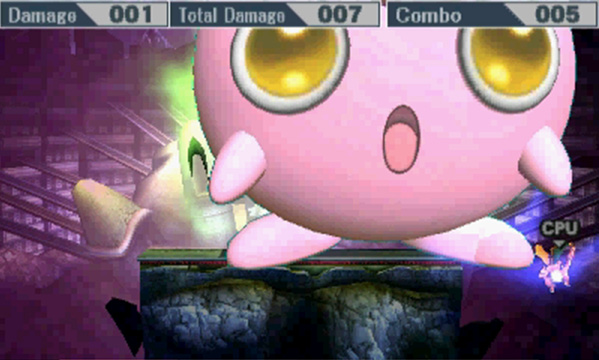
Puff Up
Jigglypuff wills its body to get larger and larger, eventually pushing opponents off-screen. When it’s at its peak size, anyone touching Jigglypuff is blasted off farther. Jigglypuff can’t be harmed during this attack. This is much more effective if you can catch opponents close to the stage edges or on smaller stages.
Strategy
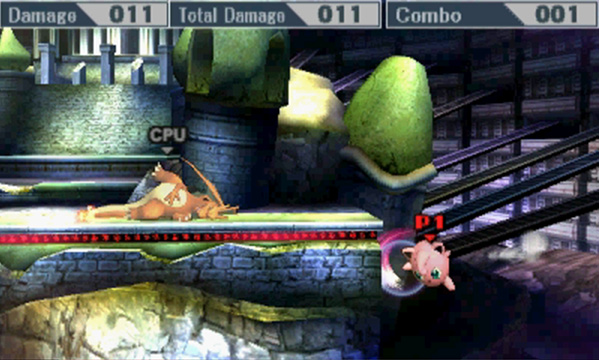
Jigglypuff is the lightest character in the game, known for its multiple jumps and superior air mobility. Jigglypuff is so light that if its shield is popped, it results in a KO, regardless of Jigglypuff’s damage percentage. Additionally, Jigglypuff is extremely small, so the reach of its attacks is limited. If you keep the battle in the air, though, Jigglypuff can still decimate opponents by chasing them off-stage with its multiple jumps. Half of Jigglypuff’s Special attacks can help it approach opponents, but the other half have you gambling with your life!
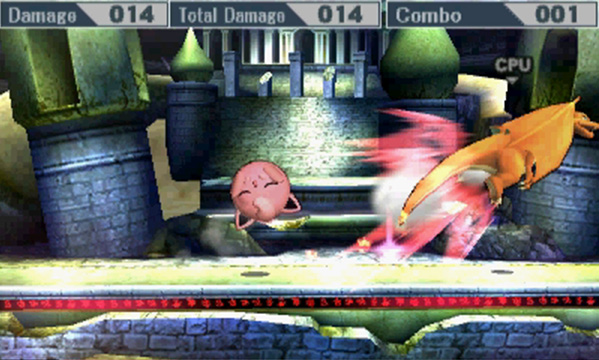
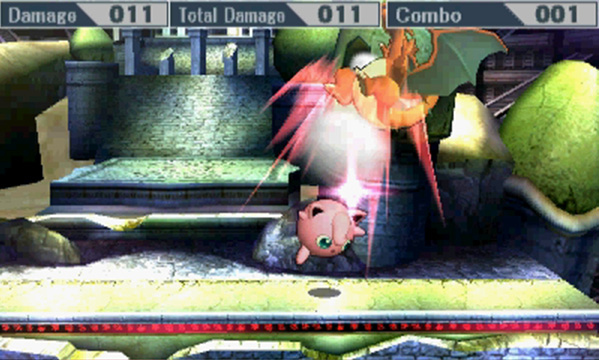
Rollout is Jigglypuff’s best approach tool because of its incredible speed. If used from long range, though, it can be more easily avoided. Try not to fly off-stage with it, or you may have a hard time getting back if your speed was too high! Pound is an amazing Special for two reasons. First, it’s active for a long time and advances Jigglypuff forward. More important, though, when used in the air, it won’t drop Jigglypuff vertically. This lets you combine Pound with your multiple jumps to stay in the air even longer! Sing and Rest are where you begin to risk your lightweight life. Sing causes Jigglypuff to sing a song that puts opponents to sleep. The song has three parts, and the third part has the most range, but this attack only works on ground opponents. The closer someone is to Jigglypuff when falling asleep, the longer that opponent will be asleep, so charge up your Smash attack to punish accordingly! Of course, if you miss, it’s fairly obvious what you were trying to do, and you immediately become a huge target for anyone wanting to get a KO. Rest is a single hit that deals a solid 20 damage and knocks the opponent vertically. If that opponent isn’t KO’d, the opponent has a giant flower on its head that does a ton of damage over time. Rest has a bit of invincibility at startup, so you can use it like a counter. The hitbox is very small, and you practically have to be inside another character for it to hit, which is why it’s best used as a counter. Of course, if you miss it, Jigglypuff is asleep and vulnerable for about three seconds, giving opponents plenty of time to charge up their heaviest attack to knock you out! Even on a successful hit with Rest, Jigglypuff is vulnerable for so long that you should really only try to hit Rest if it is going to result in a KO. A good way to land Rest is to use Pound to pop the enemy up, then use short hop into Rest!
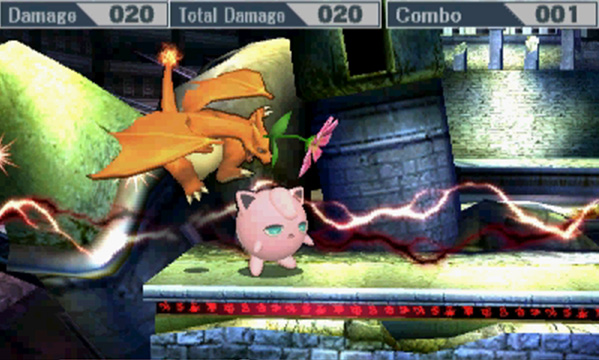
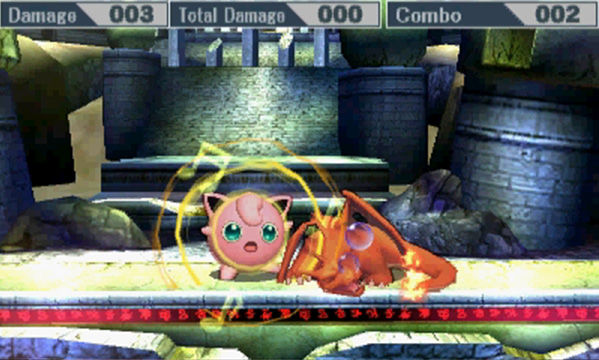
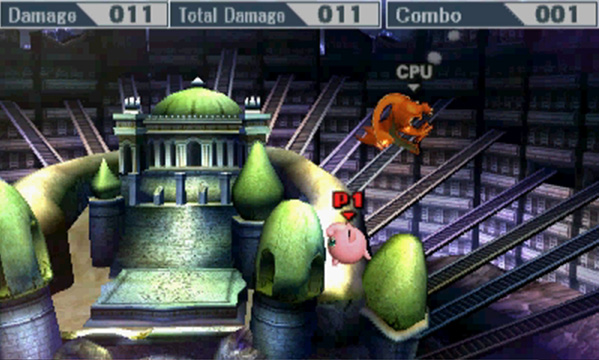
In general, you want to stay in the air with Jigglypuff. When jumping, don’t remain stationary. Jigglypuff is able to move back and forth a lot in the air. Use this to your advantage, and be unpredictable in your movements! You can use Rollout occasionally to try to get damage, but most of the time you will be out-ranged and less mobile while you are on the ground. When fighting on the stage, a combination of short hops with Forward Air can be quite strong. Use it to knock enemies off the stage, then follow them down for a quick KO. If you land a Sing, then definitely charge up a Smash attack to go for a KO! Alternatively, you can go for a throw to get your opponent into the air and start pressuring that way, too. Once enemies are off-stage, Jigglypuff really shines. Chase after them, and use your Forward Air and Back Air to push opponents farther off-stage. After each hit to push them away, use your extra jumps and air mobility to avoid any retaliation attempts. Similarly, you can push opponents higher and higher off-stage while using Jigglypuff’s Up Air attack. If opponents are trying to return to the stage, Down Air is particularly useful for edge-guarding.
Recovery
The first thing to learn about Jigglypuff is to never use Up Special! While this works for most other characters, with Jigglypuff you plummet to your doom! Jigglypuff’s main tool for recovery is going to be its six jumps. With Jigglypuff being floaty, you can use these jumps to travel great distances horizontally as well as vertically. You can also use Pound to move horizontally. This Special attack moves Jigglypuff forward considerably while stopping your vertical momentum temporarily. Use this multiple times in combination with your jumps, and you can recover ridiculous amounts of distance. Remember not to be predictable in your return pattern with your jumps. Because you have so many jumps, you don’t need to come directly back to the stage. Take your time, and move left and right with each jump to throw off your opponents. You can also use Rollout to cover horizontal distance—just be sure you’re facing the right way! If an opponent is standing at the edge and you hit that opponent with Rollout, Jigglypuff will actually be left in a special fall state, as it is stuck in the Rollout spin. So when using Rollout, be sure you either connect with the edge itself or go over your opponent to land on the stage.