Taming the Wilds! Mastering Minecraft 4th Edition Guide Introduction
A Brief History of Minecraft
Minecraft, as we write this book, is the second best-selling video game of all time. It’s sold over 122 million registered copies across many platforms, and continues to grow and expand. It has spawned its own convention (Minecon), and has fans all over the world. But where did it come from?
Minecraft started its alpha testing in 2009, and was released in full during 2011’s holiday season. It’s been many years since then, and we’ve seen a huge round of improvements to the base game. If you’ve ever wondered about the timeline for this, read on. We’ve gone back and catalogued everything that’s come and gone in the past nine years. Let’s see where it takes us.
Pre-Alpha Minecraft
May 2009 – June 2010
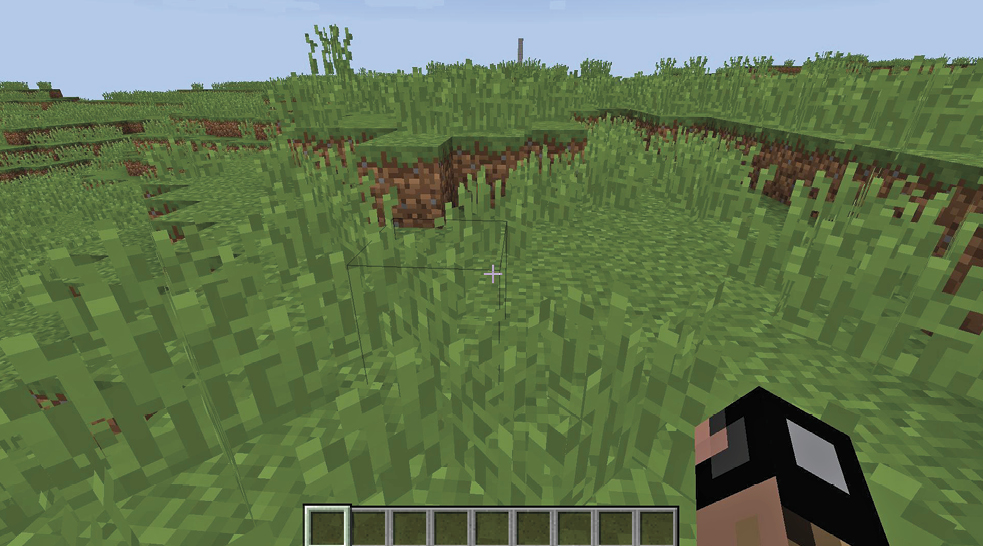
Minecraft was in heavy development during 2009. People followed the introduction of a huge range of items into Minecraft. This is called Minecraft Classic. The first official version of Minecraft that we know of was 0.0.9a. This was a time when you’d see new types of blocks added constantly. Many of the items became core elements of gameplay that are still here today (e.g. Lava, trees, Sand).
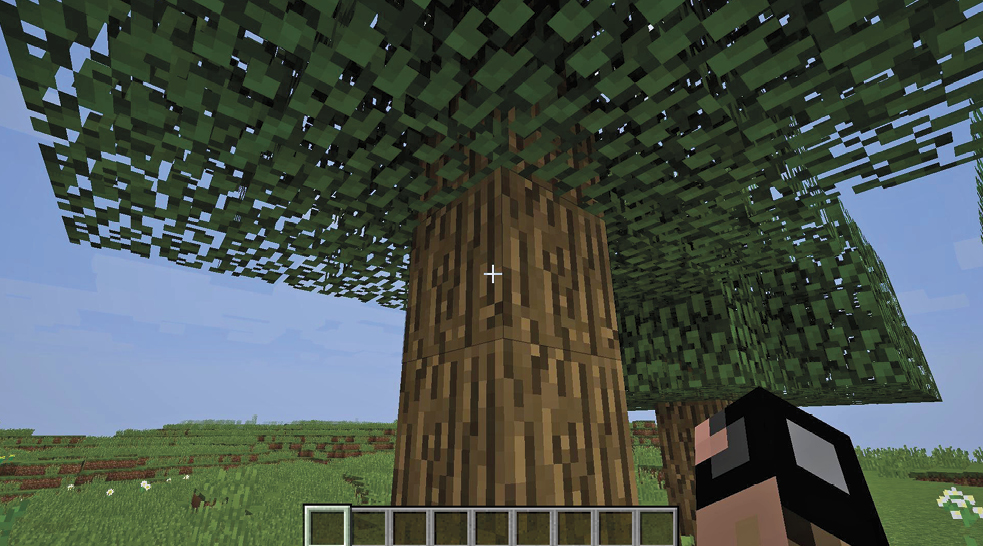
Indev and Infdev came next. During late 2009 and the first half of 2010, we saw the introduction of far more complex items. Signs, Ladders, and Doors came into use. Cave systems became more complex. Minecarts, Spawners, and Dungeons were all added too. Things got a lot more dangerous out there in the night. Luckily, daylight hours were increased, so we had more time to build shelter before the nasties started knocking on our doors.
Survival Mode helped Minecraft grow from a building and exploration simulator into a full-fledged game of life or death. The burning hiss of Creepers continues to live on in our nightmares.
Alpha
June 2010 – December 2010
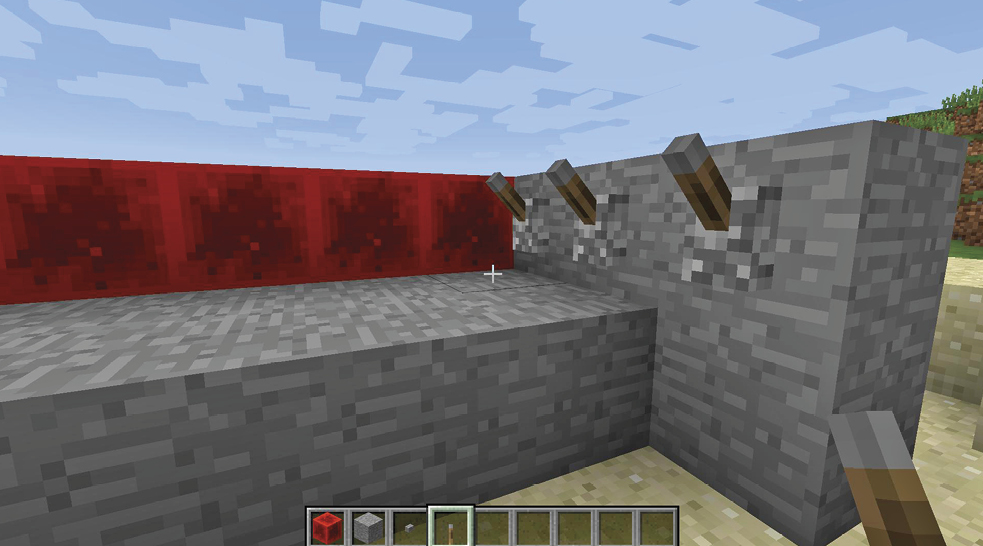
Alpha took up the second half of 2010. Machinery was a major focus at this time. Levers, Buttons, Plates, and Redstone to power it all were given to us.
These made the game much more intricate. It wasn’t just a survival game with cool building; you could suddenly make the game do things that didn’t even seem possible without some serious forethought and planning. Automated systems started with doors you didn’t need to open manually, basic traps, and so forth. Soon, they grew into automated farms, monster-harvesting rooms, and storage systems. People have made “hard drives” within Minecraft, and created computers that let you play Minecraft, while you’re playing Minecraft. If that isn’t awesome, then we’ve lost all perspective.
Beta
December 2010 – November 2011
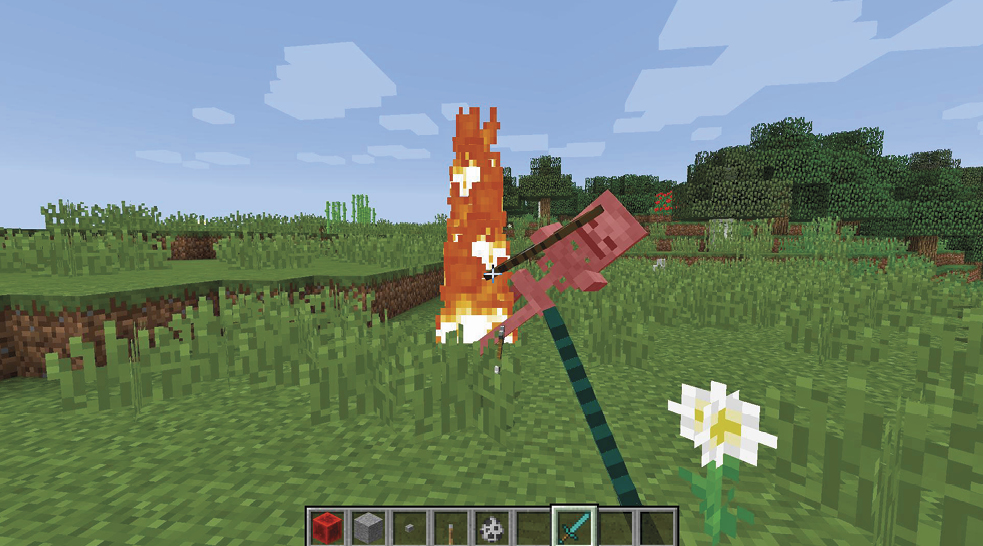
Leading up to release, we got to fill out the world. Weather added considerable ambience, and also held a few surprises (what happens when various things are struck by lightning?).
Even more machinery was added, but there was also a large push for better player mechanics. Combat improved with critical strikes, the need to keep yourself properly fed for healing, and superior Bow fighting. Our sluggish heroes finally learned how to sprint and get around the world that much faster.
Speaking of the world, it too began to fill out. Villages, Strongholds, and other rare locations started popping up. Minecraft had more toys in its sandbox, which made exploration even more fun.
Release
November 2011
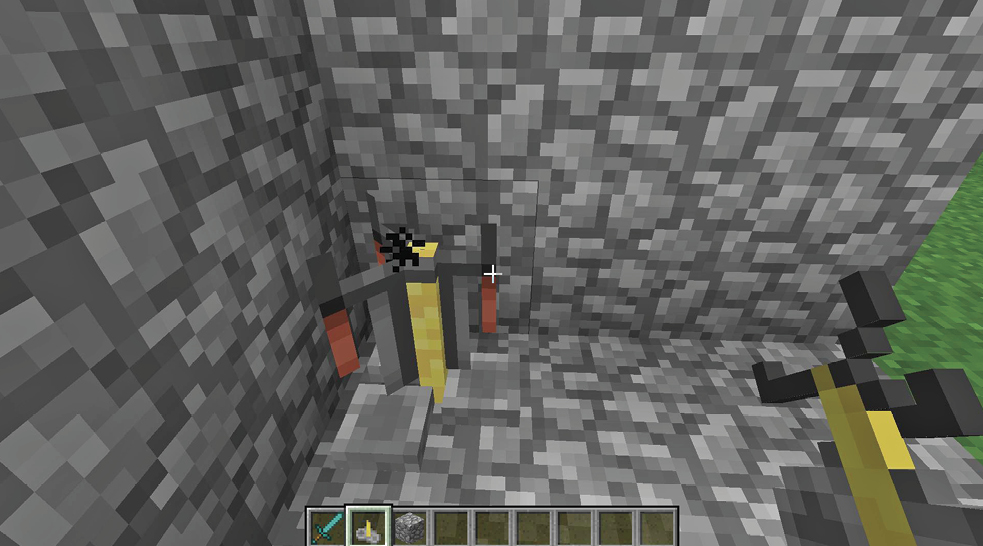
The game released with a few new features that hadn’t been part of the Beta (they were in the Beta 1.9 release that never came to be because they were rolled into the main game). These included Hardcore Mode, for people who wanted to really challenge themselves.
We also started seeing negative and positive status effects, such as Strength boosting, Poison, and so forth. Brewing was introduced, as was breeding. The End was added, as were Nether Fortresses, so we had a huge amount of new things to try and accomplish.
1.1 January 2012
We didn’t have to wait long for a substantial patch. Major language support was added (try playing the game in Pirate Speak or Klingon sometime!). There were quite a few tweaks and adjustments made to improve general gameplay, but not too many major overhauls were done at that time.
1.2 March 2012
NPC Villages weren’t too happy about this patch; it came with Zombie sieges. At night, Villagers had to contend with heavy monster attacks as long as there were players anywhere in the same chunk. This sometimes led to depopulation of entire towns. Pretty nifty, actually. Fallen Villagers become Zombies themselves, further adding to the chaos and destruction. Good times!
Biomes continued to expand, so world generation improved a decent bit after 1.2 was added.
1.3 August 2012
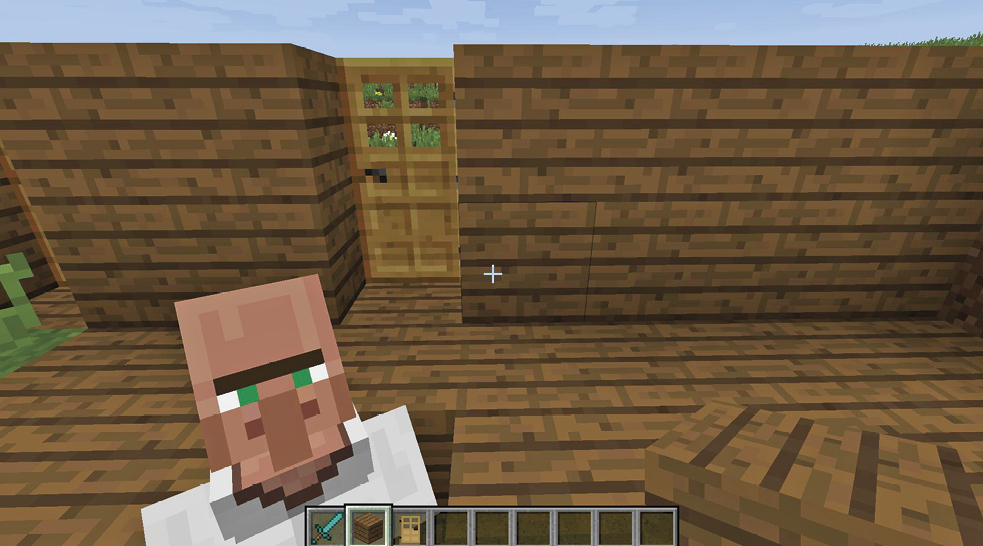
This was the first patch where Adventure Mode was available. Players could craft specific challenges and structures for others to explore, and this was possible because creating buildings was disabled. Fire and Bucket use were also restricted, so adventurers couldn’t simply tunnel or burn their way through everything.
Villages continued to improve as well. Trading was introduced, so Villagers had a bit more purpose, besides being cool, to find and protect (or slaughter if you weren’t such a nice person).
1.4 “The Pretty Scary Update” October 2012
Beacons and Anvils were added. Beacons were especially interesting because they’re so hard to create, so they serve as yet another type of late-game goal for serious players to focus on. Speaking of endgame stuff, the Wither was included in this update. Being one of the nastiest things in the game, this boss is hard to summon and can be quite tough to kill.
We also got to meet Witches, Wither Skeletons, and Bats (not quite so scary as the other creatures in the list). This made for a really cool Halloween in Minecraft history.
1.5 “The Redstone Update” March 2013
Even more machines came into play with 1.5. Activator Rails, Daylight Sensors, Droppers, Hoppers, Redstone blocks, Comparators, and Weighted Pressure Plates were introduced. Minecraft machinery was always cool, but many more automations were doable after this.
1.6 “The Horse Update” July 2013
We already had Wolves and Ocelots in the game, but Horses were a necessary inclusion for many players. Exploration was even more fun now that you could take your animal friend along for the ride.
1.7 “The Update That Changed the World” October 2013
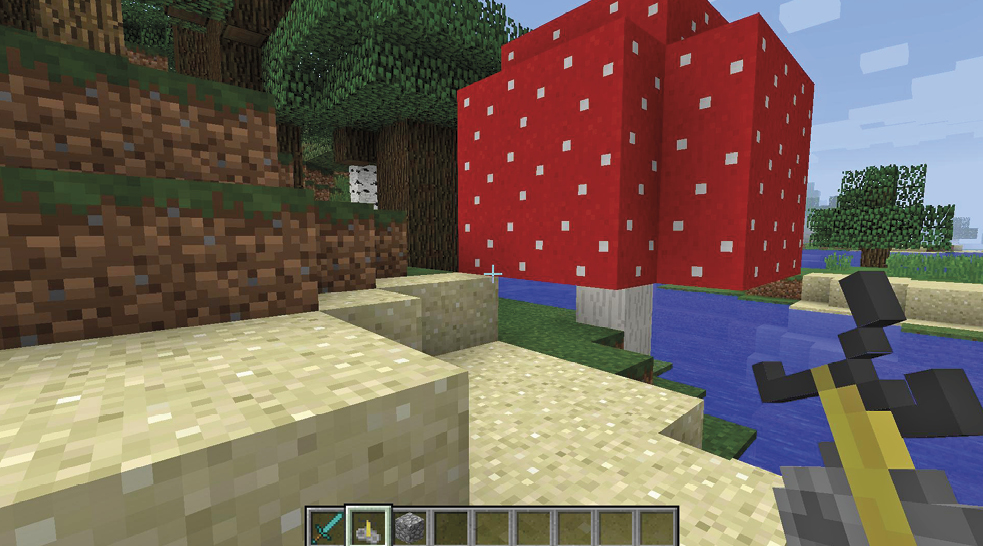
Our personal favorite was Patch 1.7. The improvement to world generation was extreme; biome additions and improvements made the world richer, so regions felt like they had much better differentiation.
1.8 “The Bountiful Update” September 2014
Mapmaking and Survival Mode both received updates and improvements in 1.8. There were also quite a few new types of blocks added to the world, which greatly enhanced the feeling that the underground wasn’t just a huge slab of rock and special resources. New varieties of stones and ores added visual appeal to the underground areas, and also improved the ability to build interesting structures that had more stylish decorations.
Villages also became more robust. Villagers could be encouraged to breed through gifts of food, and adult Villagers gained distinct professions for trading.
The rest of the world became slightly happier and cuter with the inclusion of Rabbits. To balance all things good and evil, Guardians and Endermites were also included.
1.9 “The Combat Update” February 2016
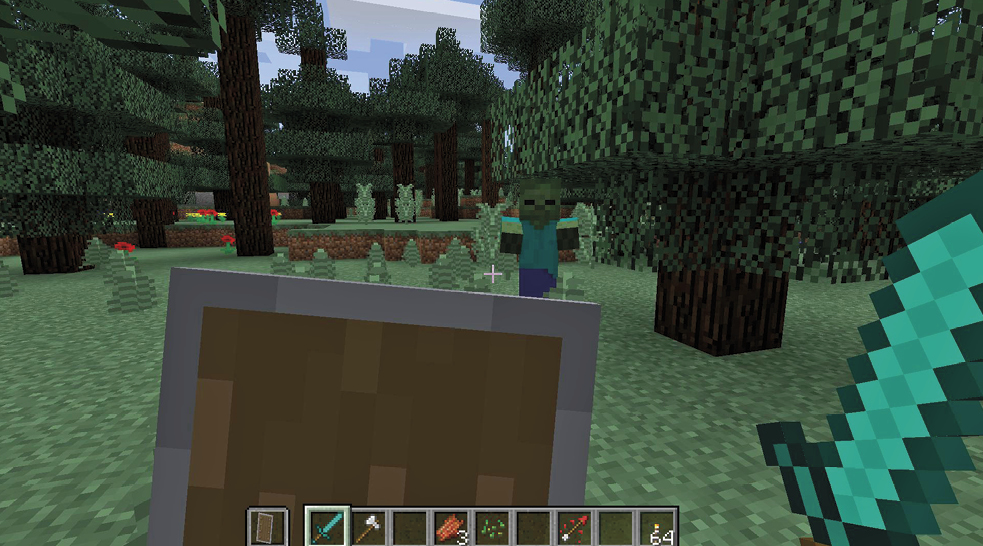
Shields, Quivers, and left-handed items came into the game during the Combat Update. This improved the more tactical aspects of the game, and made fighting more skillful.
1.10 “Frostburn Update” June 2016
Improved desert and snowy biome creatures and features were added in this patch. These isolated areas used to feel a lot more desolate. Now they’ve gotten enough variety that they’re even more fun to investigate.
1.11 “Exploration Update” November 2016
New Villagers and their unfriendly Illager cousins were added into Minecraft. Illagers are dangerous to players, and they have Evokers that act like another type of endgame boss to defeat if you can find one.
1.12 “World of Color Update” June 2017
In 1.12 the achievement system changed over toward Advancements. The goal for these is still to help guide new players through the various systems and goals that the game has to offer.
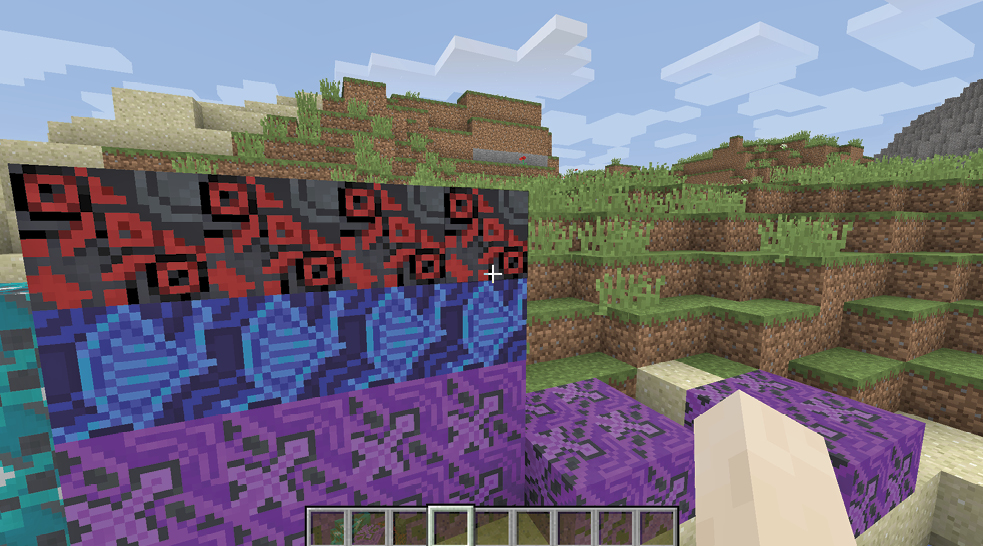
Also, colors in the game were given more saturation, and crafting items like Concrete and Glazed Terracotta came into the game. Another type of Illager (the Illusioner) also joined the monsters’ ranks.