
Mario Kart 8 Deluxe Guide How To Drive
Terrain
Courses in Mario Kart 8 Deluxe have a variety of terrains that you’ll drive over (or fly over) during the progression of a race. These all affect your vehicle performance somehow, so it’s important to know about them, and know how best to handle them.
Road
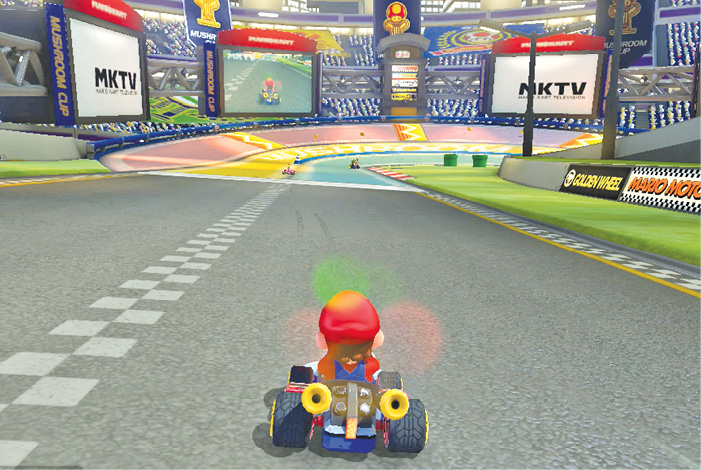
The main roads of any course are where you will traditionally get the best performance out of your chosen kart, bike, or ATV. Road surfaces allow for drifting and Mini-Turbos, and are often where the action is.
It should be noted that not all roads are equal. Courses such as Sherbet Land take place in icy and snowy environments, and your overall handling will reflect this!
Antigravity Roads
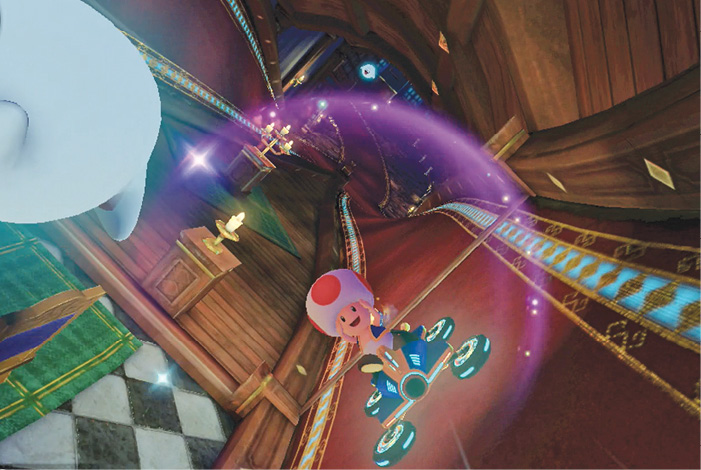
Mario Kart 8 Deluxe includes antigravity roads and antigravity panels. When a course begins to twist into strange angles and shapes, typically an antigravity panel will be there to trigger your vehicle’s special drive system that will let you stick to any surface, even if it’s upside down. Antigravity roads change your handling quite a bit. Your turns will seem floaty and be less sharp, and your momentum carries more through your drifts, which can make your turn exits wider.
Off-Road
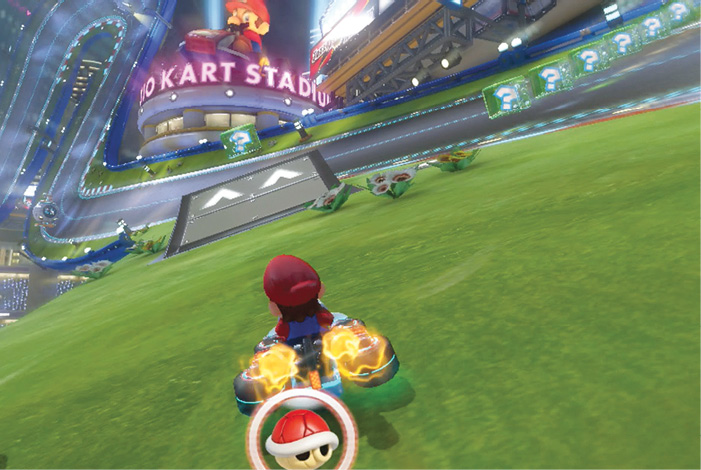
Off-road portions of a course, broadly speaking, are any parts of the course that are not the main track. For example, this can be grass, rough sand, or deep snow. Most of the time, you don’t want to be off-road. Even when you maximize a vehicle’s potential off-road performance, you lose too much speed crossing these parts of a course. You can’t drift while off-road, or even come close to your max speed, unless you’re flying over the rough terrain with a Mushroom or Super Star.
If you realize you’re going to go off-road, but only very briefly, like over a brief patch of grass encroaching on the middle of a curve in the track, you can eliminate most of the damage to your momentum by timing a jump to avoid as much of the off-road patch as possible (sort of like using jumps to leap over very small gaps in the track). If you’re not in contact with the off-road surface, you’re not losing speed. That said, by the time you’ve spent even a moment traveling in the patch, it’s too late, and repeated jumps won’t help anything when you’re really bogged down off-road.
Water
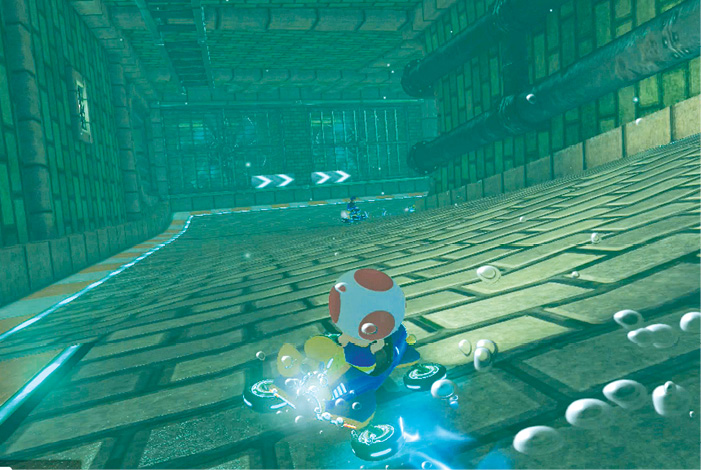
Some courses will send you into the water as part of the race, and in these sections you’ll have to adjust for more sluggish handling. Your turns will not be as sharp as usual. Some courses featuring water will also have multiple instances where you jump out of the water and dive right back in, costing you some speed in both cases.
Interestingly, taller karts will often go on two wheels more easily during drifts underwater, which can help you in cutting corners as tightly as possible.
Air
Flying through the air is accomplished with glider parts that make up your vehicle. Before a flight, you’re typically launched from dash panels and glide ramps. Performing a Jump Boost off the glider launch is possible; see Glide Ramps below. Depending on the course, you will either be sent flying “on rails” to the next section, or you will have complete control of your flight in order to determine how and where you land. Some shortcuts require you to make maximum use out of a flight in order to bypass rough terrain.
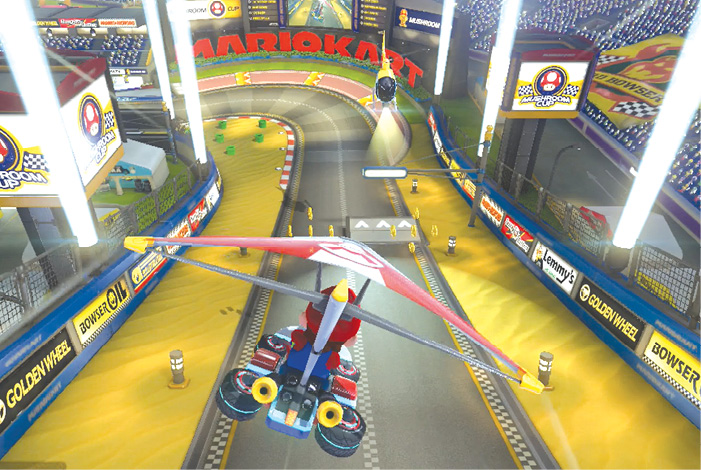
Like with jumping, catching air is great for aerodynamics, since you’re not losing some of your forward energy through friction between your tires and the ground. When you’re in total control of a glide path over the track, the choice between staying airborne as long as possible (keeping the nose pointed up) or landing early (pointing the nose down and descending) comes down to whether there are Item Boxes or Coins below you want to collect.