
Civilization V: Brave New World Guide Single Player
Strategies
The Early Game: A Familiar Struggle
The game begins in much the same way as it always has. Your people appear in the world, seeing only the terrain nearby. You have a Settler and a martial unit (usually a Warrior) to defend your tribe. Many players settle on the hex where their Settler begins, to save time and get started on the important tasks ahead.
We don't think that this phase of the game needs to change. It's already a simple time when you quickly decide what your city needs access to and make the call to build your Capital. Only move if you see something dramatically better than your current position.
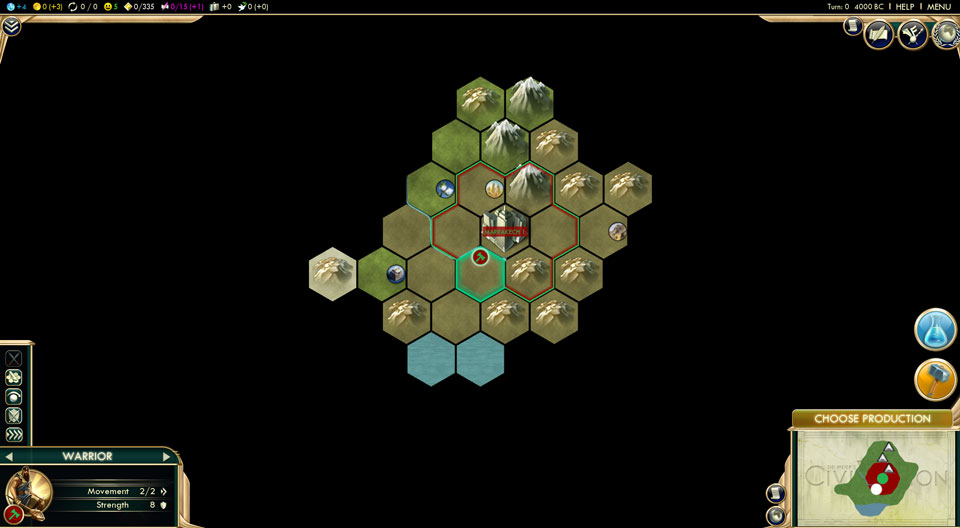
Good Things to Settle Near
- The Coast: Trade over the sea is worth double the normal value
- Rivers: Trade values are raised by 25% if your city is on a river
- Luxuries and strategic resources
- Hills: Cities founded on hills are still much more defensive than those that are settled on lower ground
- Tiles with extra Food (e.g., Wheat!)
- Natural Chokepoints
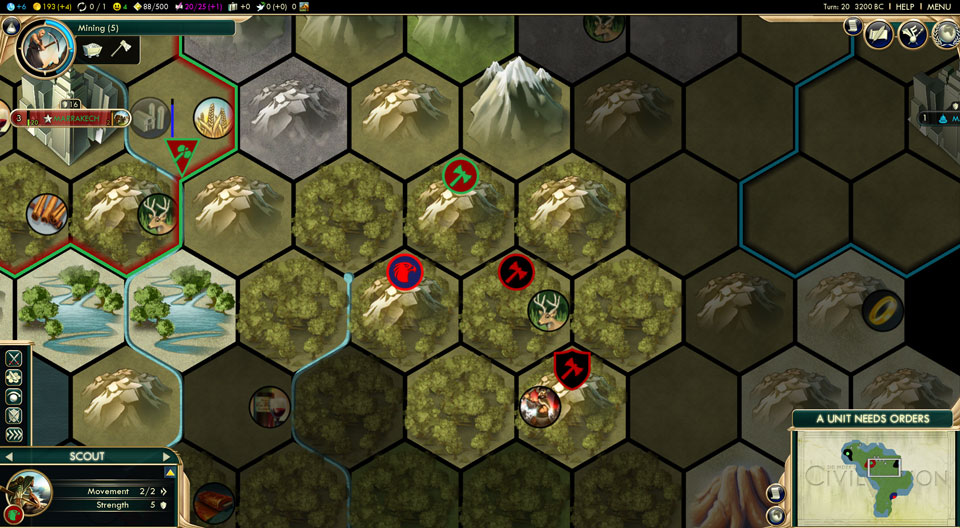
Your early scouting is the same as it was in the last expansion and the base version of Civilization V. Get a Scout out there and look for ancient ruins. Grab as many ancient ruins as you can, discover Natural Wonders, and keep an eye out for rival nations, City-States, and barbarians.
Initial Trade and Settling
The first real changes appear when you get some of the Ancient and Classical Era Technologies that allow for greater trade between the nations. Once you meet other civilizations and research Animal Husbandry, Caravans become a potential source of money.
Hold off on these while you're still in the frantic early turns. The income from your Trade Routes heavily depends on the resources in your city and the size/buildings of the city you're going to trade with. Rushing to get a Trade Route first thing is worthless because you have more important structures to build and people to train. You also won't have a good route to get to any nearby cities, making your options highly limited.
To make things worse, your small initial military forces won't have many units to spare. Because of that, barbarians are a massive threat to your Caravans.
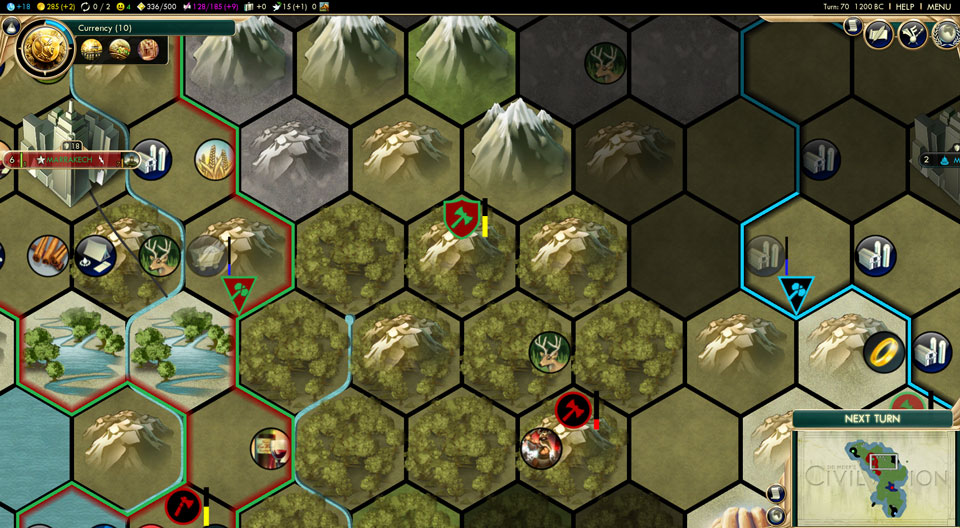
These things change after you get a second city up and running. Your Capital almost always stays busy, but secondary cities are ideal for training Caravans. It only takes one turn to send these units to your Capital after they're completed, so you can still have your trade units operate out of the Capital even if they're trained somewhere else!
If you're strapped for cash or want to start forming a friendly relationship with a rival, Trade Routes are very useful. You're less likely to be attacked by a trade partner who is benefiting from your wealth (though a standing army is still quite essential for middle- or higher-difficulty play).
Until enough empires have cultural borders that are large enough to stamp out heavy barbarian activity, it's wise to keep your Trade Routes close to home. Trade with people who are close enough that you can see your Caravans moving almost all the way up to the other person's borders. Or, station a military unit in the open area to watch for trouble and protect your route from barbarians.
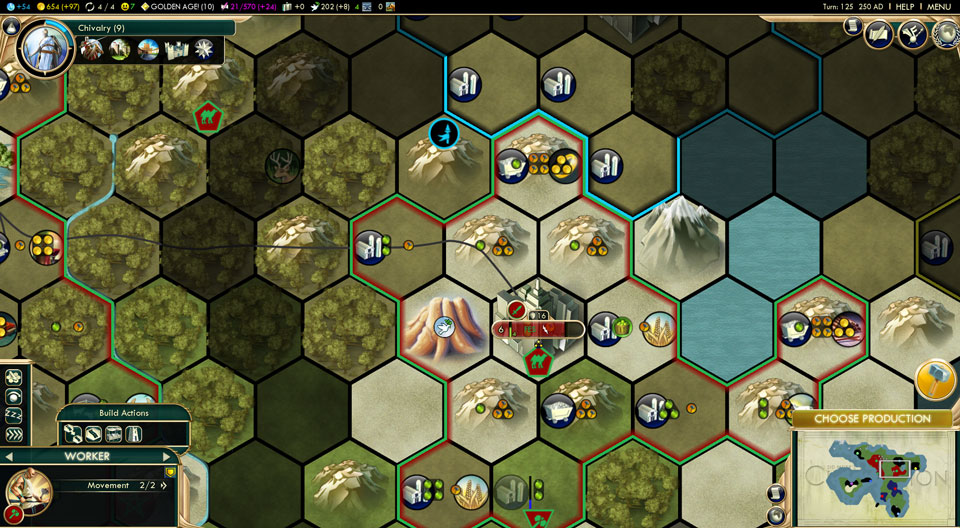
Trade empires should get at least one massive city settled along their coastline, preferably in a spot with access to Luxuries or Strategic Resources. That gives them the potential to make a huge amount of cash by sending Cargo Ships out from that location.
Self-sufficient empires want to have even more cities along the coast for a slightly different reason. If you're not getting to use Trade Routes with other City-States and your rivals, then it's very important to use oceanic routes between your cities. These routes carry Food or Production at twice the rate of land routes. Your coastal cities are able to promote each other's Growth and Production at such a high level that they can quickly form pairs or clusters of megacities.
Use Food trading in the early years for each coastal city to help them get Population up. Once that process slows, switch to Production to help get more buildings constructed.
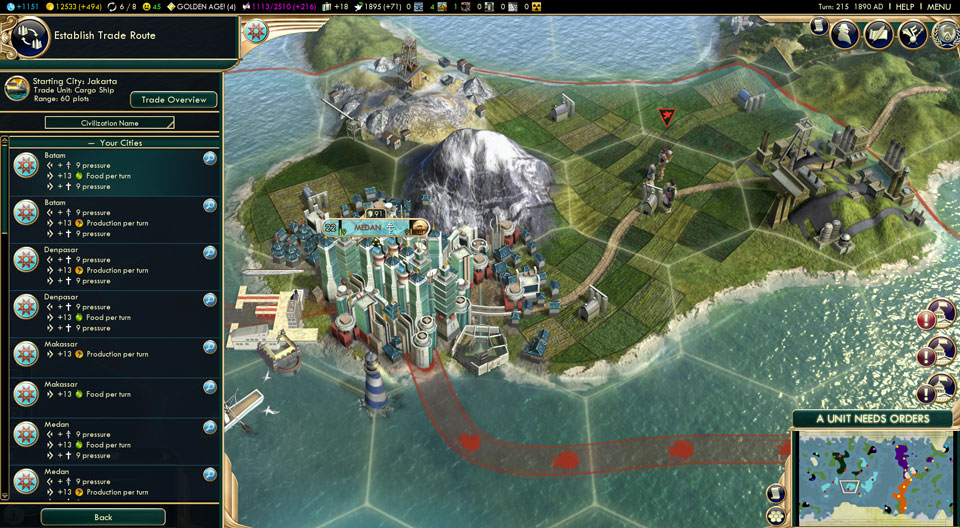
Maps with a major naval component require a decent navy! Make sure that your best city on the water has a Barracks and one or more Trade Routes for Food/Production. That frequently gives you an edge over other coastal powers; this is doubly true if you use the early game to complete the Great Lighthouse.
Peaceful traders don't need as many cities on the water because even a single location can send out many Cargo Ships and make the nation rich off of their hard work. You have to rush to get the Colossus constructed though, as that's a great Wonder for traders.
A Race for Diplomacy Instead of Technology or War
There was always a divide in research goals between militarists, scientists, and cultural/diplomatic players. That still exists, but the changes in Diplomacy have muddied the waters somewhat. The World Congress makes Diplomacy a genuine power to be feared, regardless of your playstyle. It can be used for your nation, or against it. Underrepresented nations are easily isolated from trade (Embargo) and attacked economically through additional Resolutions (Standing Army Tax). Researchers that scorn the World Congress also face trouble (Scholars in Residence erodes the top researcher's lead, and Arts Funding is a genuine kick to the knees).
Meanwhile, the people who control the World Congress get to earn themselves more Delegates and Influence by making their own religion and Ideology the focus of the world. With that power, they'll push for additional Resolutions to aid in their continued Cultural/Diplomatic lead.
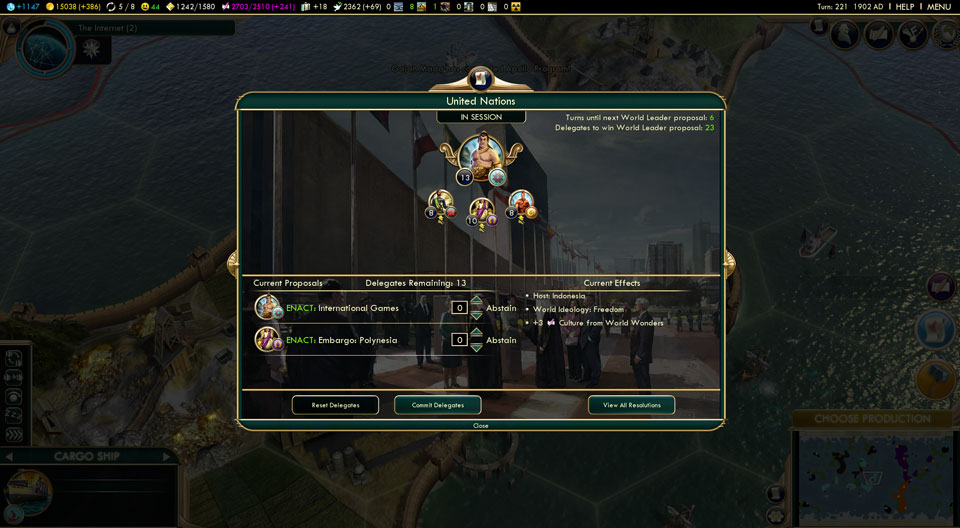
For all of these reasons, you can't afford to put your head down and race into later military Technologies or pure research without knowing the consequences. Be prepared for other nations to stay defensive militarily and still lash out through these new channels.
Militaristic Players
When another nation takes hold of the World Congress, try to get an idea of whether they're a threat. Do they quickly propose Resolutions that are against your interests? If not, you might be okay for a time. Otherwise, you need to take action.
Diplomats gain power from their Delegates, so weaken that base. Buy off or conquer City-States that are Allied to your adversary, and switch to using Diplomats instead of Spies. You need the votes to have a chance at stopping your enemy, and seeing how other players are going to vote lets you know how far you need to push to stop each Resolution.
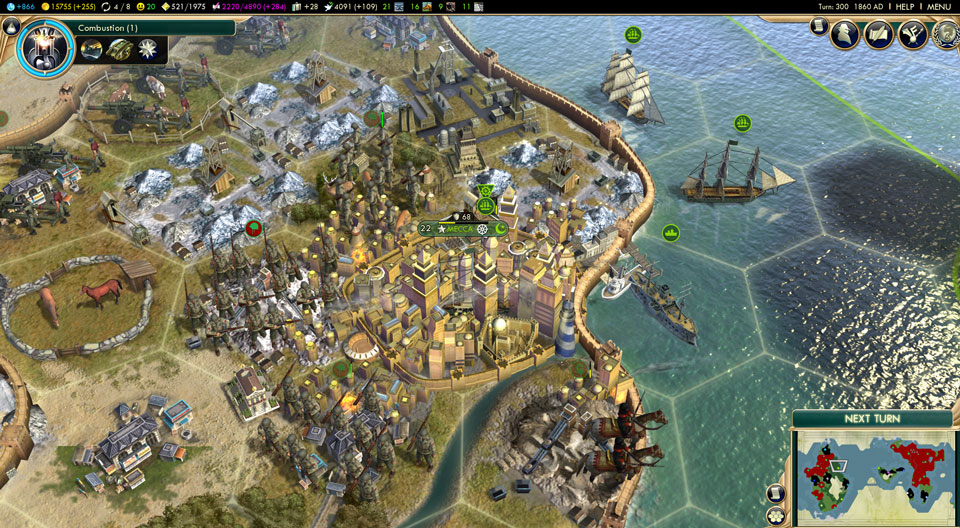
If you're going to move against a Diplomatic player, make it fast and ugly. Diplomatic nations frequently focus on a strong defense; they know that you aren't going to like some of their actions, so attacks don't come as a huge surprise. Anticipate appropriate garrison units, defensive buildings, and Policies that aid in defensive fighting. Bring more troops than you think you'd need for each given battle, and overwhelm your targets with superior firepower, numbers, and training.
You need to engage in total war if your biggest enemy is a diplomat. Taking their Capital isn't nearly good enough. They'll rule from another city, still able to vote, proposing Resolutions and giving you trouble. To stop this, wipe them off the face of the Earth. It's the only way to be sure.
Science Players
This is a tricky situation. By nature, scientific players often benefit from defensive play. Keep a nice empire, build massive infrastructure, and research your little heart out. Having to deal with conquerors is familiar, but Diplomats never had this much power against you. Now you're left with a choice: accept Resolutions that hurt your interests, attack militarily to stop the offending diplomat, or become a diplomatic power yourself.
The route you take should follow your nation's strengths and the weaknesses of your rival. If they're too solid to defeat outright, then take an invasion off the table. Do you have the money and Policies to rip off their City-States and take control of the World Congress? That's a nice option, if you're wealthy enough to seize it.
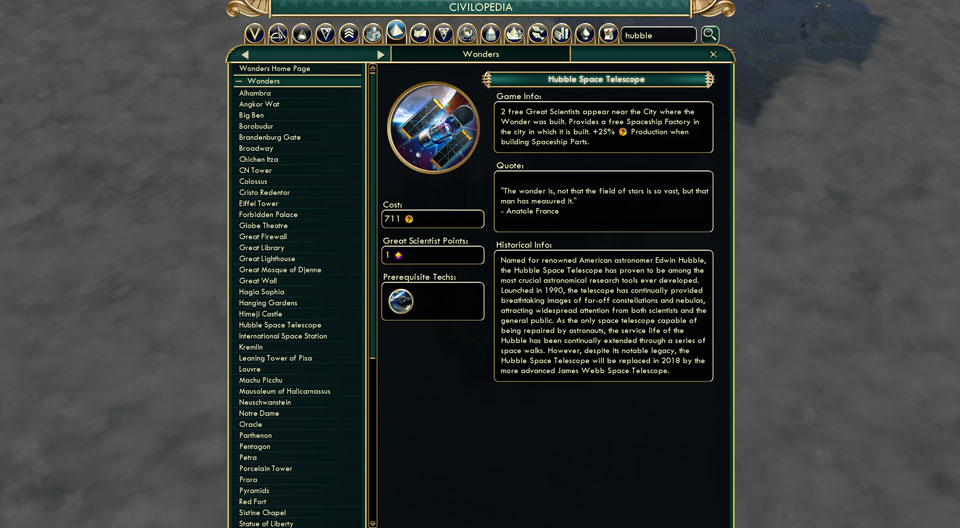
Otherwise, you have to double down on research and make it to your victory before your rival can earn enough Delegates to become World Leader. Build a nuclear stockpile as soon as you can; the lead diplomatic players know that people want them dead, and nukes are a useful weapon for that process. Make sure that you have these weapons on hand before the diplomat bans them.
Talk to other nations and encourage them to engage in a mutual war against your rival. Even if they're large and defensive, an attack on two fronts might be enough to bring them down. While doing this, use your military to scarf up some of the City-States that the diplomat is Allied to. Should the extermination fail, at least you've stolen votes away from your foe.
Religion Renewed
Religion used to fade from the limelight as everyone approached the Industrial Era. That's now only true for some nations. If you pursue Piety all the way and build a substantial supply of Faith, the late game can still be a critical time for religious nations.
Many of the later Policies now enable you to purchase specific Great People with Faith in the post-Industrial Era. That's extremely fun and useful. Science players with Rationalism (i.e., all science players) are going to save Faith in the mid- to late game so that they have the ability to buy multiple Great Scientists as soon as this option is available. They're likely to use earlier Great Scientists for Academies and then these later ones to push their research. It's a nice way to suddenly pull ahead of your rivals.
| Great People in the Post-Industrial Era | |
| Required Branch Mastery | Great People Purchasable by Faith |
|---|---|
| Tradition | Great Engineer |
| Honor | Great Generals |
| Aesthetics | Great Writers, Artists, and Musicians |
| Commerce | Great Merchants |
| Exploration | Great Admirals |
| Rationalism | Great Scientists |
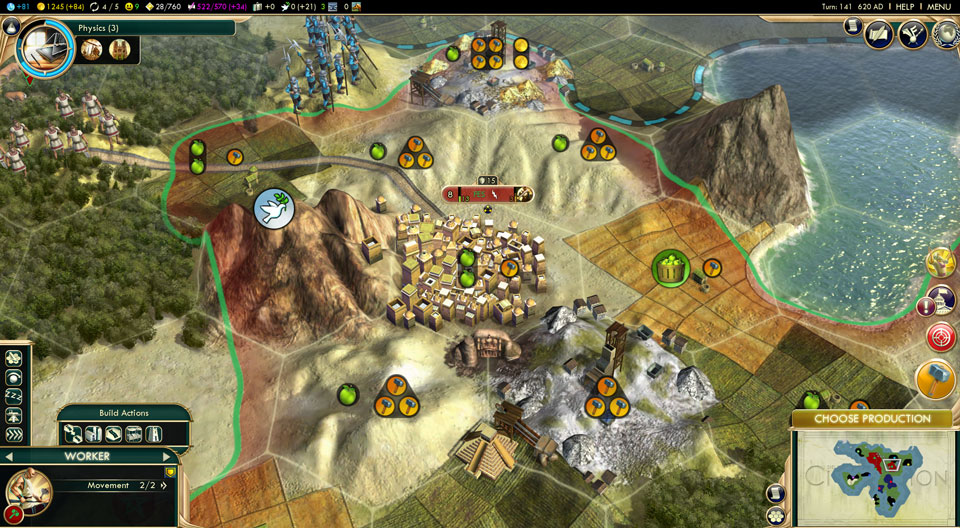
It's obvious that different nations benefit from specific choices in their Policy Branch masteries. Science players need to master Rationalism as soon as possible after hitting the Industrial Era. Traders (especially Venice) have to complete the Commerce Branch. Culture players have to complete Aesthetics.
Militaristic players and diplomats usually get the least out of this late-Faith economy. As a martial player, it's better to focus your Faith on Great Scientists, for better military technology, or on units themselves, though this requires that you master Piety and take Religious Fervor as your final upgrade.
And Suddenly, Culture Is a Threat to All
Culture is so much more exciting now. Rather than waiting for victory to come to you, the game makes you plan and maneuver the whole game (just like the other paths to victory).
Yet, Culture is still a late-game contender. It's hard to get enough Influence over other nations to win the game before you start getting into more modern technology. Hotels, Airports, Broadcast Towers, and a number of Wonders are required elements of a Cultural Victory. It also helps if you understand Theming and can put that to good use throughout the game.
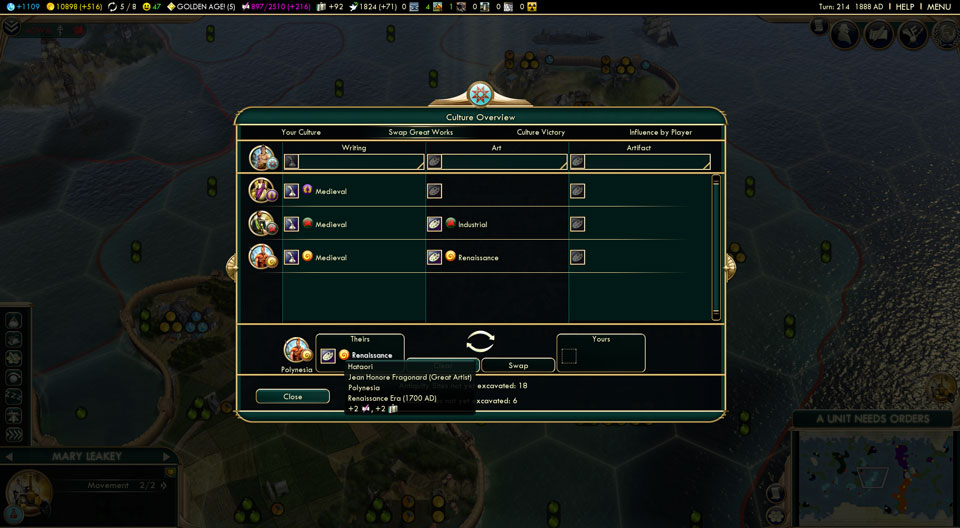
As a quick review, Theming is when you receive bonuses (extra Culture and Tourism) from having the correct group of Works/Artifacts in the same building. Sometimes that means that you should group these items by period, and other times you have to mix and match a variety of periods and styles in the same building. The required goal is determined by the structure itself.
Make sure to carefully organize your Artifacts and Great Works so that you receive the maximum number of Theming bonuses. When combined with Aesthetics, these bonuses add up quickly. They help you get more Culture for future Policies, and the extra Tourism is a major factor in overcoming other nations that also have a strong Culture of their own.
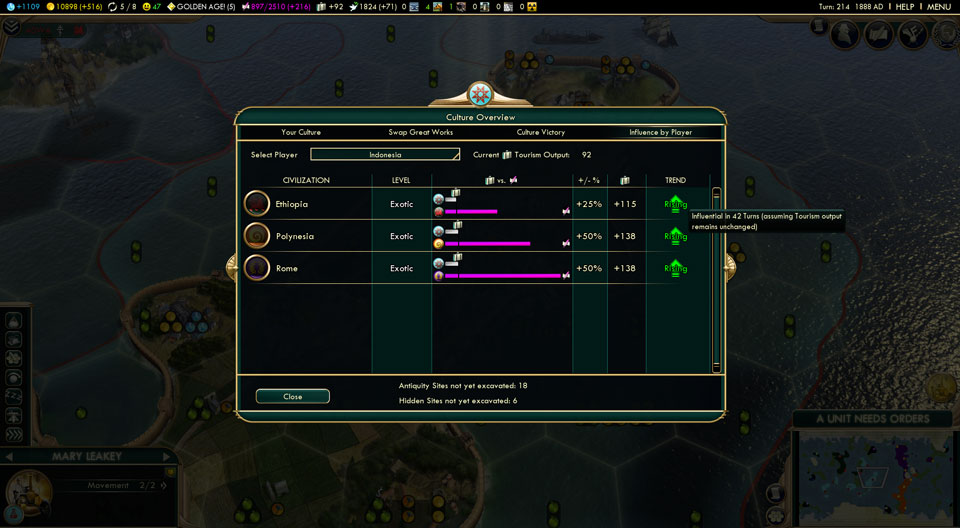
As a Culture player, it's wise to watch out for rivals that are also using their Culture to succeed. You're not going to be able to Influence them quickly. For a faster game, and to avoid a situation where they outstrip your Culture, it's sensible to probe that enemy for weakness. Is their military light? You might be able to defeat them directly, or at least plunder their cities to steal some Artifacts and Great Works. That city won't be much of a Tourist destination after it's been practically hollowed out, eh?
If you have better Production than your Cultural rival, try to enact Resolutions for some of the International Projects. These are quite good for the Culture players, and you can take the lead by contributing the most to these projects.
| Theme Cheat Sheet | |
| Museums | +2 Culture if both Great Works are of the same era, same type (art vs. artifact), and from YOUR cultural heritage [Sample Name: “Museum of Songhai Medieval Art”] |
| +2 Culture if both Great Works are of the same era and same type and from OTHER cultural heritages (not yours) [Sample Name: “Museum of World Medieval Warfare”] | |
| +1 Culture if only 2 of the 3 Great Works (era, type, heritage) are the same [Sample Name: “Museum of Songhai Art”] | |
| Hermitage | +3 Culture if all works are paintings and no two items are from the same era or heritage |
| Oxford University | +2 Culture if all works are from unique eras and from OTHER cultural heritages |
| Louvre | +4 Culture if you have 2 paintings and 2 artifacts and no two items are from the same era or heritage |
| Uffizi | +3 Culture if all 3 works are paintings from the same era and heritage |
| Sistine Chapel | +2 Culture if both works are paintings from the same era and heritage |
| Great Library | +2 Culture if no two works are from the same era or heritage |
| Globe Theater | +2 Culture if all works are from the same era and heritage |
| Sydney Opera House | +2 Culture if all works are from the same heritage but unique eras |
| Broadway | +3 Culture if all works are from the same era and heritage |