
Civilization V: Brave New World Guide Multiplayer
Being the Best
The following sections provide guidance for you on microscale topics, which deal with issues that are more localized in multiplayer games.
Fight in Bursts
A common weakness of conquerors, especially in single-player games, is to reach a certain point with their nation and start eternal warfare against the rest of the world. This is not a good idea, especially in multiplayer games. You're unlikely to get so much of a lead against most foes that it's safe to rampage against everyone. People have more time to react, prepare defenses, forge alliances against you, and repel your attack. Once you lose momentum, things come crashing down hard, as your economy is often overspent by the end of the long campaign. With little Gold, considerable Unhappiness, and poorly defended cities, you're likely to lose some (or all) of the territory that you recently took.
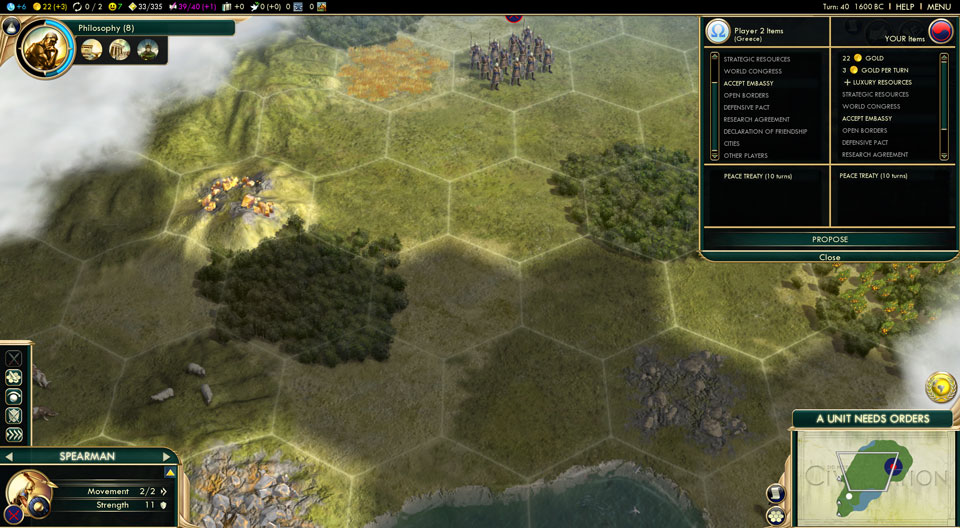
On the other hand, human players are more pragmatic about warfare than the computer. Instead of constantly berating your nation and refusing to trade with you, humans are out to win. If you make peace and back off of your warlike ways, it's usually possible to resume various trading deals without much preamble, unless you really stuck it to a player during the war, but that's another matter.
For more cautious play and a better chance at victory, use war in bursts and only gobble up as much territory as you can defend. Computer nations focus heavily on your army, sometimes ignoring the fact that your cities aren't as well protected when your military is off on a campaign. Humans notice and often anticipate these things. Raids on your heartland are a great way to turn an offensive campaign into a defensive route. Keep your best cities defended, and watch for signs of counterattacks (from anyone, regardless of who you're actually fighting).
You also have to be cognizant of distances. Taking a city halfway across the world is a major risk. Your army takes a long time getting there, and they'll take almost as much time getting back to anywhere useful. Campaigns should focus on close territory preferentially so that your military doesn't divide itself. Most of the time, it's better to take a medium-sized city locally rather than win a beautiful city that you can't support. When the more distant city is landlocked, this advice is even more critical! Having a road through 15 tiles of neutral or hostile territory is begging for problems. Your enemies only need to rip up the road to stop reinforcements, and then they'll use your road to race toward your isolated city. Eek!
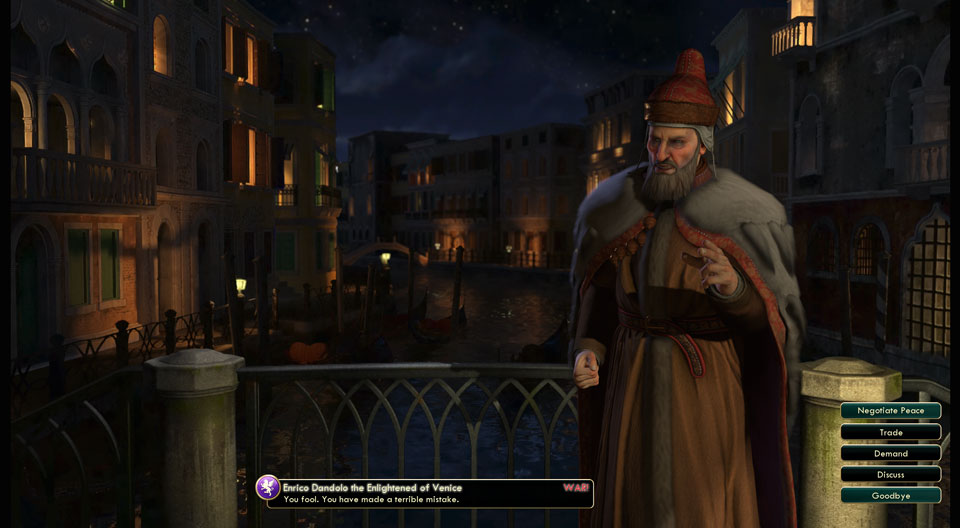
Pretend Your Enemy Knows Everything
When building your army, assume that your target knows what's coming and is preparing a proper defense with counter units. Don't make such a specific attack force that they can be countered with the use of a single type of unit. That's begging for trouble. Focus on something that you're good with, like unique units or a new type of Technology, but also create units that support or defend your best troops.
Example: You're just getting Trebuchets and want to take some cities with them. Bring Pikemen to ward off enemy Horsemen/Knights so that your Trebuchets won't be easily outflanked by mobile units. Let the Trebuchets and any Crossbowmen soften fortified melee units that are too tough for the Pikemen, and everything should be fine.
You Two Go Ahead and Fight
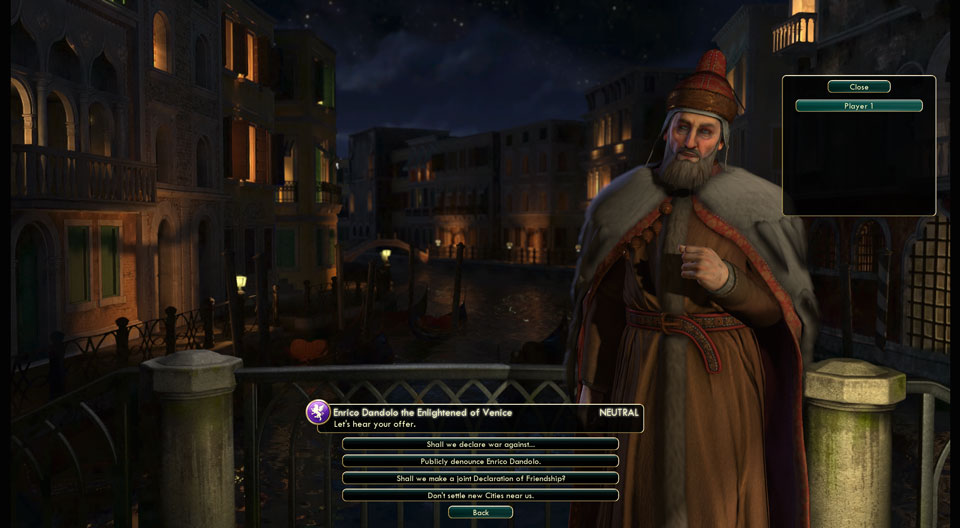
The oldest trick in the book is to have your enemies fight each other, leaving them both vulnerable to your future efforts. Remember that humans are extremely susceptible to mind games. Point out when another player has the most points. Warn others, with "genuine" concern, if anyone has too many Culture or too large a military. Joining forces against larger targets is wise, but it's better for your civilization if you deceive others into fighting without demanding your involvement in the process.
Don't let other people do this to you. Never start a war out of fear. Do it because you have a better chance of winning the game by proceeding. When other people communicate with you during a game, be polite. Be funny. Have a good time with them. And, ignore almost everything that they say, unless it has direct use for you and has provable benefits.
Never Stop Scouting
Don't become complacent, even if barbarians stop being an issue in your game. Human attackers won't always choose the fastest or most direct route toward your cities. Coming in by another angle may give them an easier time taking your first city, and thus establishing a defensive area for the rest of the war.
This is especially a useful technique for attackers in the pre-railroad portion of the game and even more so if you lack basic roads within your nation. The more turns it takes to shift your troops in between cities, the worse things are for you when enemies sneak their forces up to your border.
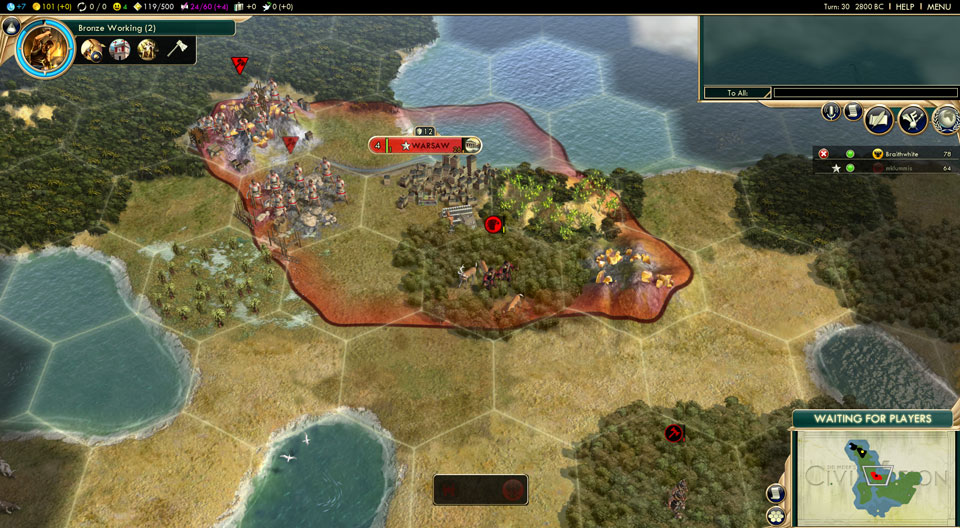
Always keep some cheaper units out in the wild, watching for trouble. Scouts with Sight upgrades are great, for obvious reasons.
To make this process easier, push your borders toward geographic chokepoints. Having your borders reach a tile that acts as a valley between the mountains is a perfect way to cut off an entire approach to your cities. Drop a Fort there, Fortify a defensive unit inside of it, and walk away. That frees more of your troops to watch more dangerous routes.
Never trust the sea. By the late game, attacks may come in off the water in the blink of an eye. High movement and a wide expanse of ocean lead to genuine danger from any attacker. Keep your Submarines lurking in the blue water, watching for any movement that isn't expected.
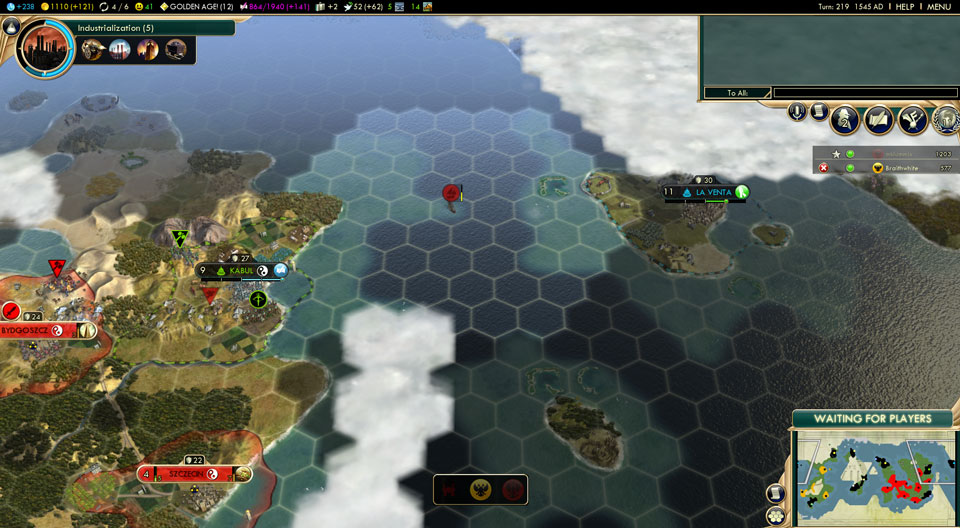
When you're fighting a war with a naval power, make sure to destroy their Work Boats if you can't take their cities outright. It's a royal pain to have to spit out a few Work Boats after each raid. Once you've done your work, back off. Let your enemy start their repairs, and then come back in to hit them again later. Strip their entire coast of improvements.
Mutual Benefits
Encourage everyone you even vaguely trust to sign Research Agreements. They promote peace between rivals that you aren't ready to conquer, and everyone involved benefits from the research boost at the end of the project.
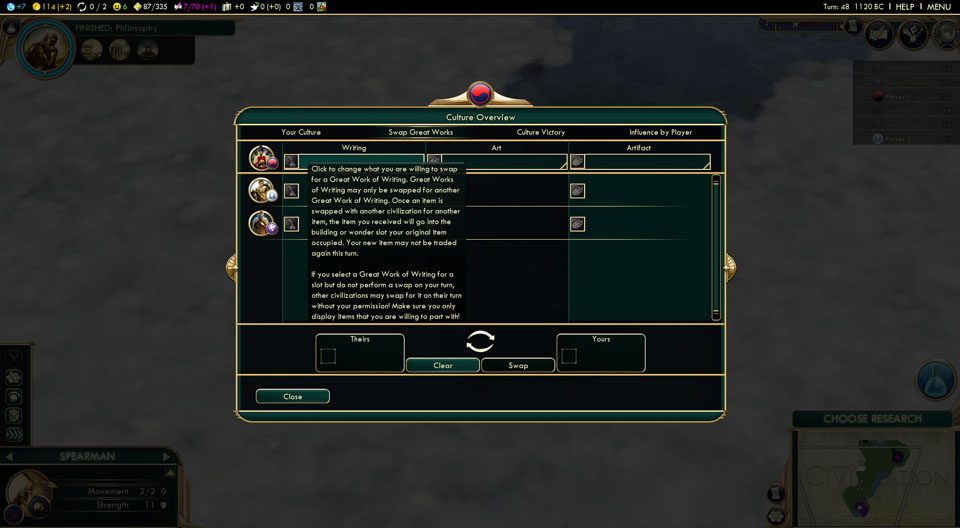
It's also wise to trade Great Works for other players if it helps you gain Theming bonuses in some of your cities. That extra Tourism and Culture is effectively free. Look through the chart on Theming bonuses to see what you need for each building.
In the same way, you and somewhat allied players should share excess Luxuries. These benevolent alliances don't always last, but the longer you maintain them the more of an edge you and your buddy get over less pleasant neighbors.