
The Sims 3 Seasons Guide Walkthrough Tour of Sunset Valley
Collectibles
Collectibles
Collectors know that Sunset Valley is the place to be when it comes to gathering up goodies. There are many, many valuable things to collect in Sunset Valley in addition to the bounty pulled out of the water or from your personal garden. You can collect butterflies and beetles to sell to the science facility (or keep for yourself). Precious gems and metals can be scooped up and refined into brilliant treasures. Space rocks hurtling down from the heavens have smashed into the ground all around Sunset Valley, too. And Seasons introduces something all-new to collect: wildflowers! Seek out these collectibles to make money and beautify your lot.
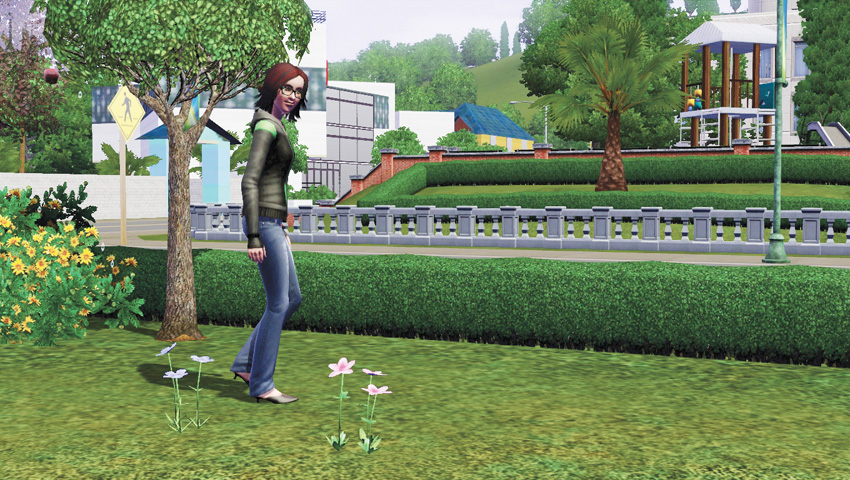
While the maps in this section pinpoint the spawn locations of all collectibles, randomness factors into collecting. Though we have provided the locations of collectibles, there is a chance they will not be there on the specific day you check. Maybe the next day. Maybe the next week. And if multiple collectibles in a category are listed for a spot, perhaps only one of that group will be present on any given day. But don’t give up hope. Keep checking back and you’ll find the goodies or ingredients needed for the task at hand!
Seeds, Plants, and Wildflowers
Gardening and raising harvestables are excellent methods for relaxing as well as making extra Simoleons on the side. Though there are several spots throughout cities where you can find actively growing harvestables, such as behind the warehouse or in some of the parks, cultivating a garden on your own lot certainly removes the travel time out of gardening.
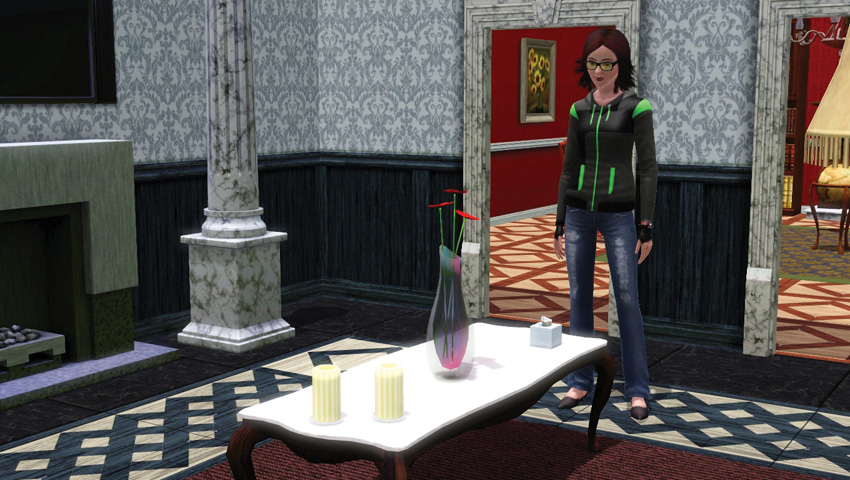
There is one new harvestable introduced in Seasons, the pumpkin, and eight new plants: wildflowers. Pumpkins are grown like any other harvestable, either from seed or fruit, and they can be purchased at the market. You may also find seeds in the wild while walking around town. These are a level 1 harvestable, so you do not need to heavily develop the Gardening skill to enjoy this fruit. In addition, you can find pumpkin patches in town; the fall festival hosts an especially bountiful pumpkin patch, watched over by a scarecrow.
Wildflowers appear in any season, but more often in the spring. They grow primarily in the festival grounds. You can either view wildflowers and leave them be, or pick them and add to inventory. Wildflowers are worth Simoleons, but can also be placed on lots to boost environmental bonuses.
When you place wildflowers on a lot, they automatically appear in a vase.
| Wildflower | Rarity | Value |
|---|---|---|
| Daisy | Common | x |
| Sulfur | Common | x |
| Blue Flax | Common | x |
| Black-Eyed Susan | Uncommon | x |
| Azalea | Uncommon | x |
| Indian Blanket | Rare | x |
| Sweet William | Rare | x |
| Cosmos | Special | x |
Insects
There are two types of insects to collect in Sunset Valley: butterflies and beetles. These insects can be sold to the Science Facility for a few Simoleons (although, the rarest butterflies are really worth some dough) or kept on your lot in terrariums.
It’s fun to have a collection of pretty bugs around the homestead, so consider your lot environment before going straight for the cash. Having an attractive butterfly in a terrarium could be the difference between an okay room and one that gives your Sim the Nicely Decorated moodlet upon walking into the immediate area.
Butterflies
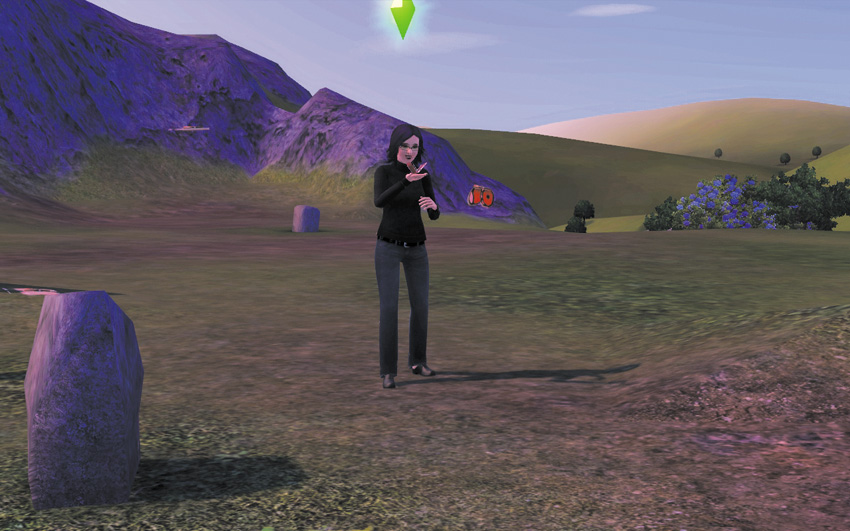
Beautiful butterflies love to flutter about in special areas of Sunset Valley. Use this map to find the exact spots to look for certain types of butterflies. Now, if the map says you will find a variety of butterflies in a specific spot, it’s likely you will only discover one or two from the list.
When you collect a butterfly, your Sim closes in on a single insect from the bunch and gently takes it in his hands. Then, the rest of the butterflies vanish until the next day. Once collected, the butterfly goes into your personal inventory. You can now either take it to the Science Facility and collect your bounty or take it home and place it in a terrarium.
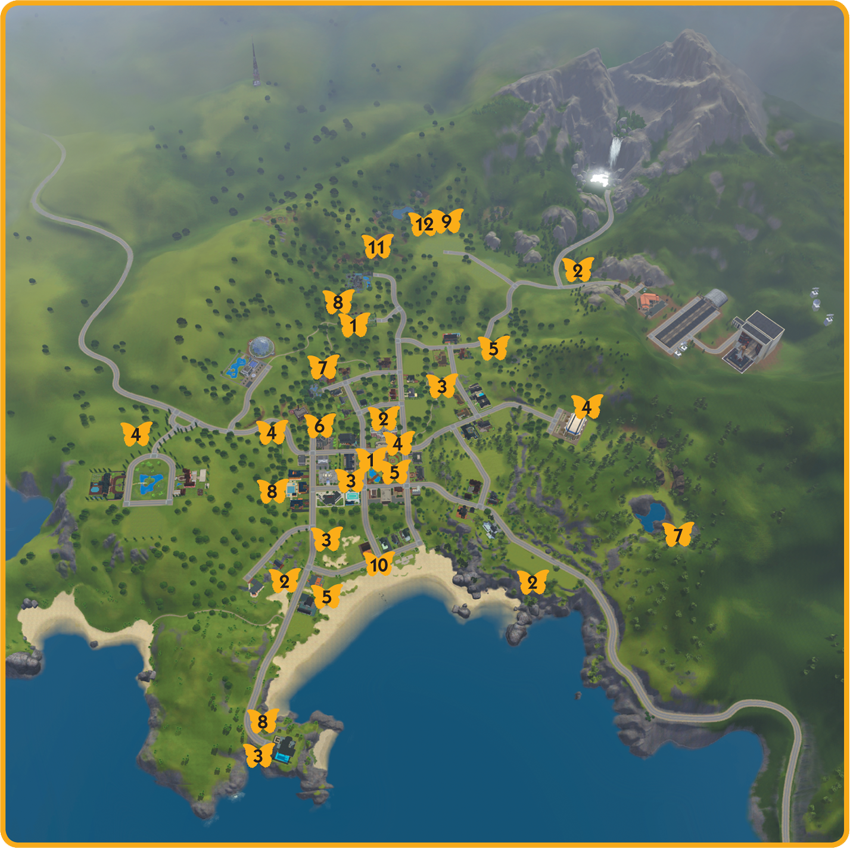
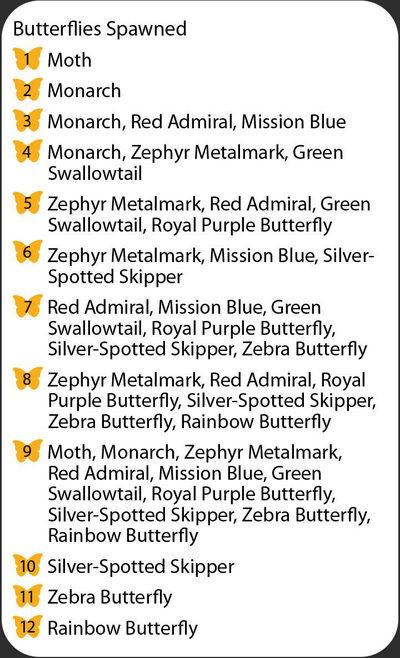
| Butterfly | Rarity | Base Value |
|---|---|---|
| Moth | Common | 5 |
| Monarch | Common | 10 |
| Zephyr Metalmark | Common | 25 |
| Red Admiral | Common | 35 |
| Mission Blue | Uncommon | 50 |
| Green Swallowtail | Uncommon | 90 |
| Royal Purple Butterfly | Uncommon | 150 |
| Silver-Spotted Skipper | Rare | 325 |
| Zebra Butterfly | Rare | 650 |
| Rainbow Butterfly | Extraordinarily Rare | 1,080 |
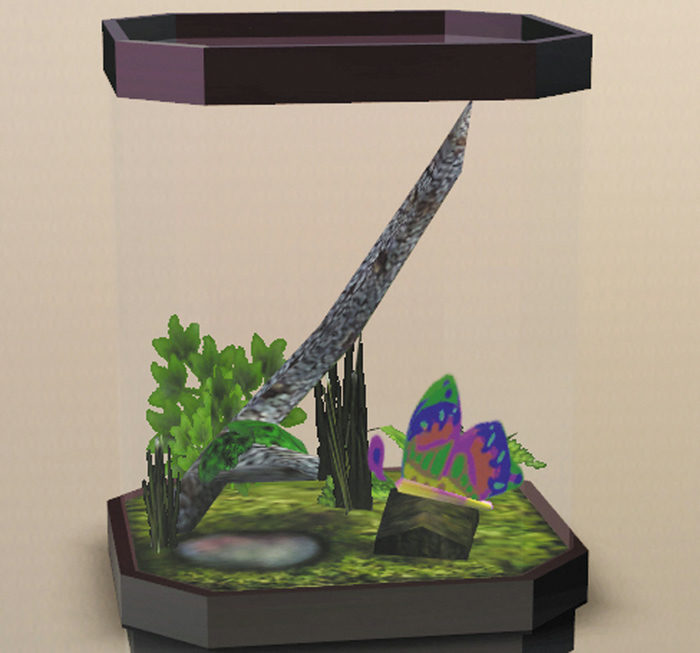
The Rainbow Butterfly is the rarest of the butterflies. It’s worth a lot of Simoleons, but it also really beautifies a room on your lot. Consider taking this treasure home instead of selling it!
Beetles
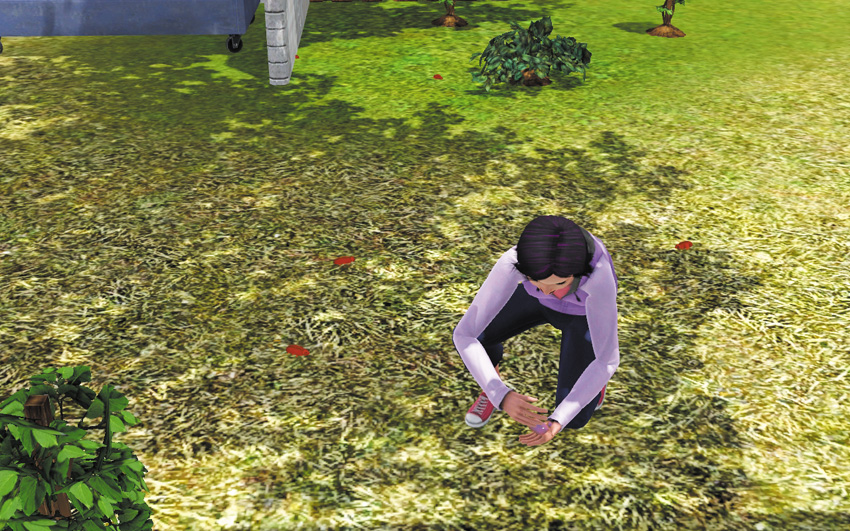
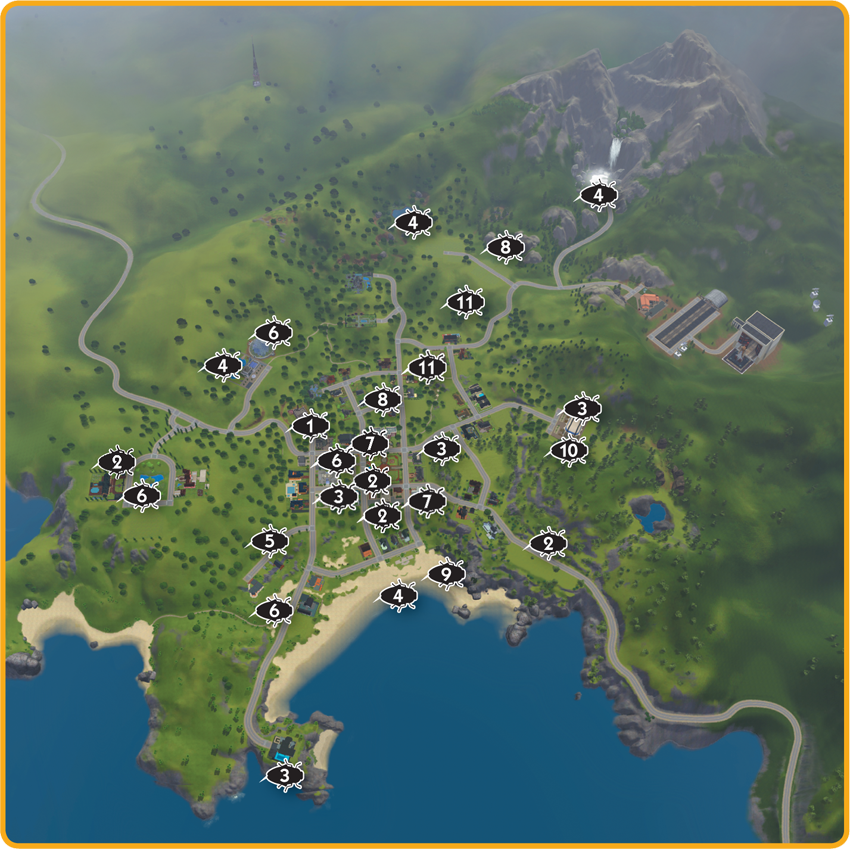
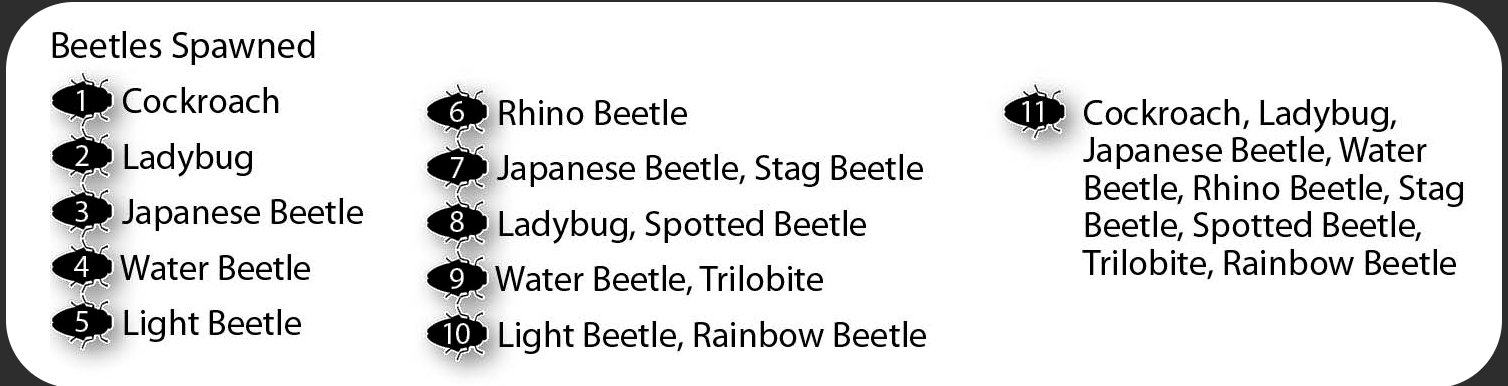
Is the ground moving? Or is there something alive down there? You may have to squint, but there are tiny bugs and beetles squirming around the ground that can be picked up and collected just like butterflies. Beetles are another excellent source of income, but they can also be kept on a lot to boost the environmental bonus of a room.
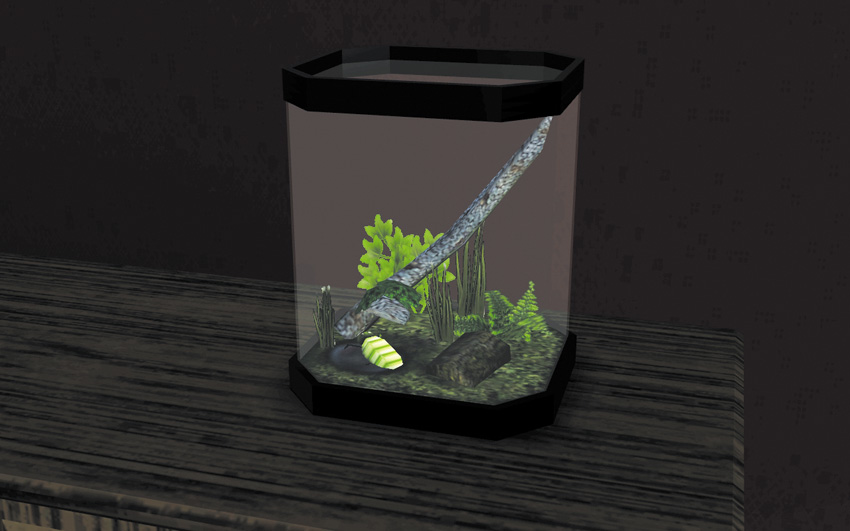
When you drag a beetle out of your personal inventory and place it in your house, it is automatically stored in a terrarium.
| Beetle | Rarity | Base Value |
|---|---|---|
| Ladybug | Common | 10 |
| Cockroach | Common | 1 |
| Japanese | Common | 15 |
| Water | Common | 30 |
| Light | Uncommon | 40 |
| Rhino | Uncommon | 90 |
| Stag | Uncommon | 175 |
| Spotted | Rare | 400 |
| Trilobite | Rare | 750 |
| Rainbow | Extraordinarily Rare | 1,400 |
Gems, Metals and Rocks
Precious metals and sparkling gems are yours for the taking—but first you have to find them. And once they are in your personal inventory, you must send them away to have a professional process them.
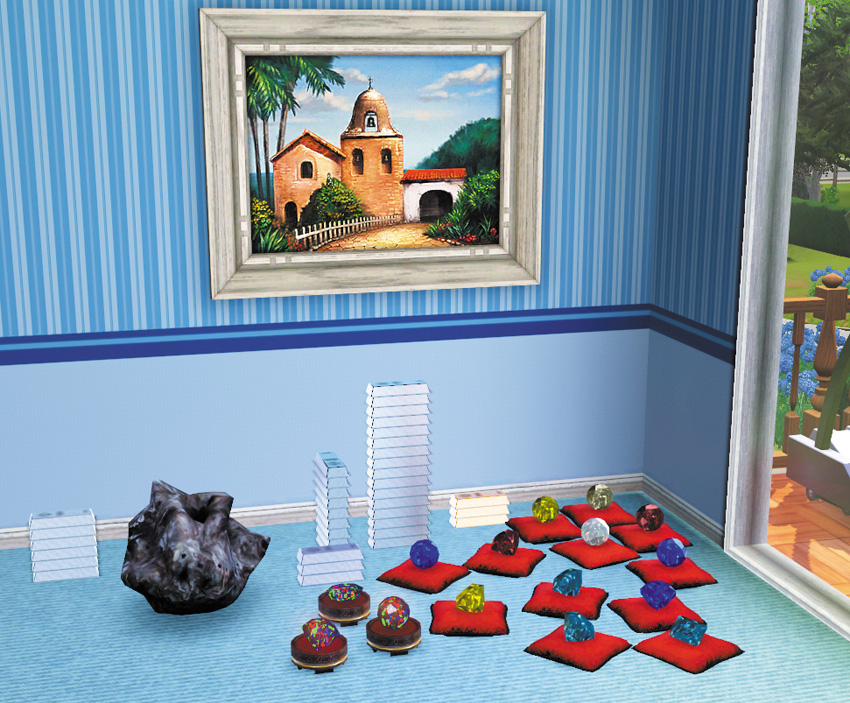
Once they’re processed, you can either sell metals and gems for profit or place them on your lot for environmental bonuses.
To have ore or rocks processed, you must send them off via your mailbox. (Left-click on the ore or rock in your personal inventory to send it off.) It costs Simoleons to get them processed. The cost of smelting ore into an ingot is §50 flat. The cost of getting a gem cut depends on the kind of cut you desire. The full list of cuts and cut costs is listed in the gem section of this chapter.
Gems
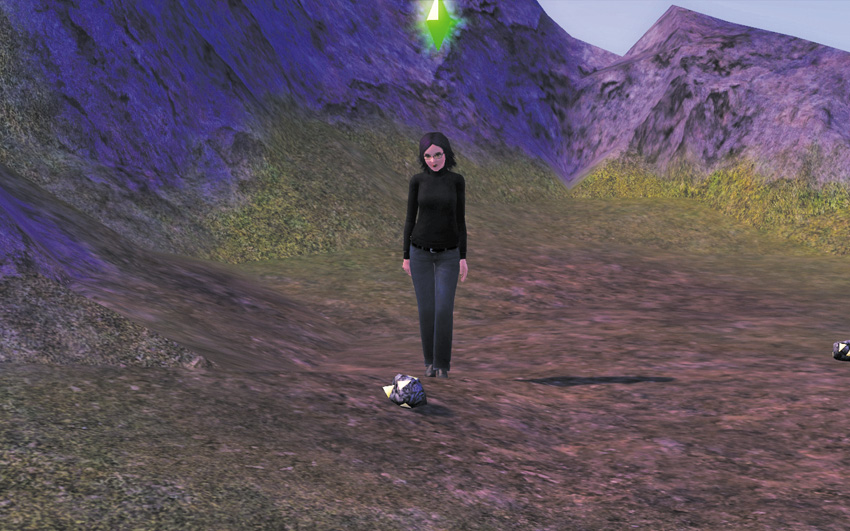
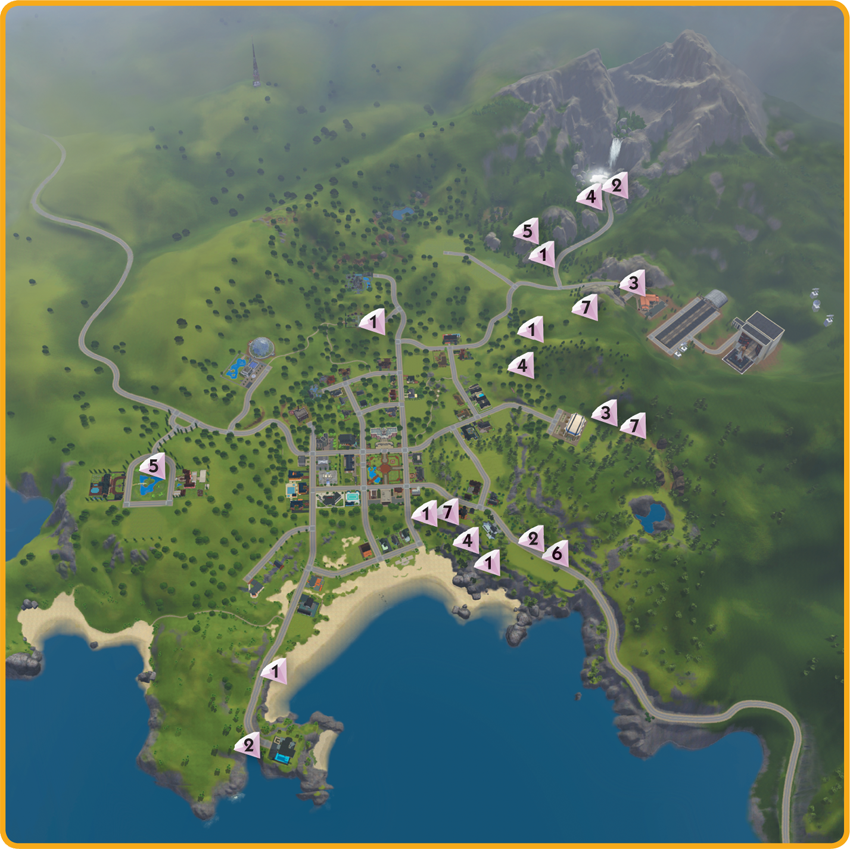
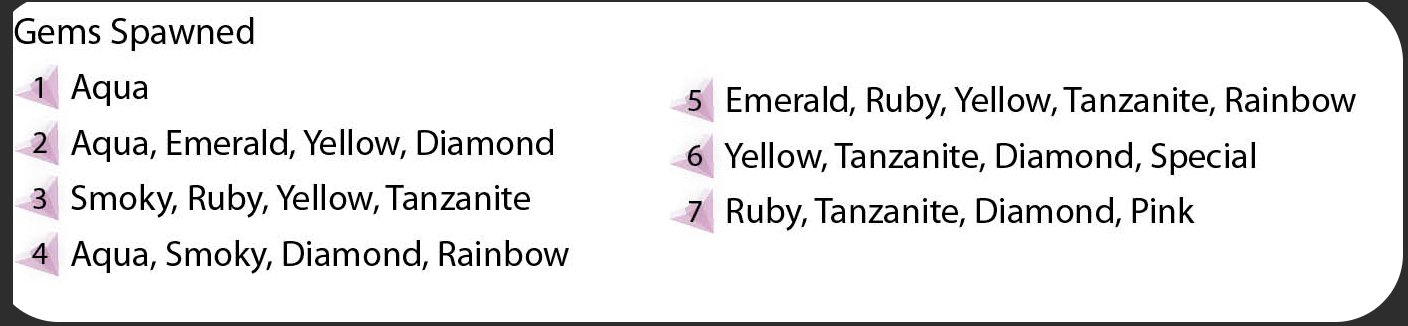
Keep an eye open for rocks on the ground—there are treasures inside them. When you swipe a rock from the ground, you are immediately told what you have found. Here are the best places to locate valuable gems:
| Gem | Min. Weight | Max. Weight | Value of Min. Weight | Value of Max. Weight |
|---|---|---|---|---|
| Aqua | 1 | 105 | 9 | 21 |
| Emerald | 1 | 105 | 15 | 25 |
| Smoky | 1 | 105 | 20 | 30 |
| Ruby | 1 | 105 | 25 | 35 |
| Yellow | 1 | 105 | 35 | 60 |
| Tanzanite | 1 | 105 | 65 | 95 |
| Diamond | 1 | 105 | 100 | 200 |
| Rainbow | 1 | 105 | 450 | 700 |
| Special | 1 | 105 | 150 | 350 |
| Pink | 1 | 105 | 1,200 | 1,650 |
Having a gem cut increases its value, but this comes at a cost. You must pay to have a gem cut, which occurs when you send it away via the mailbox out front of your lot. Now, when you first start collecting gems, there is only one cut available: Emerald.
The next available cut is Oval, but to unlock this cut, you need to send off four previously collected gems to be cut by the professional jeweller. After that fourth cut, you get a note saying the Oval cut is now available. So, while it does cost to get these gems cut, the more you do it, better cuts you get—and the more money you can make from selling. The best cut is the Heart cut, which multiplies the value of the gem five-fold.
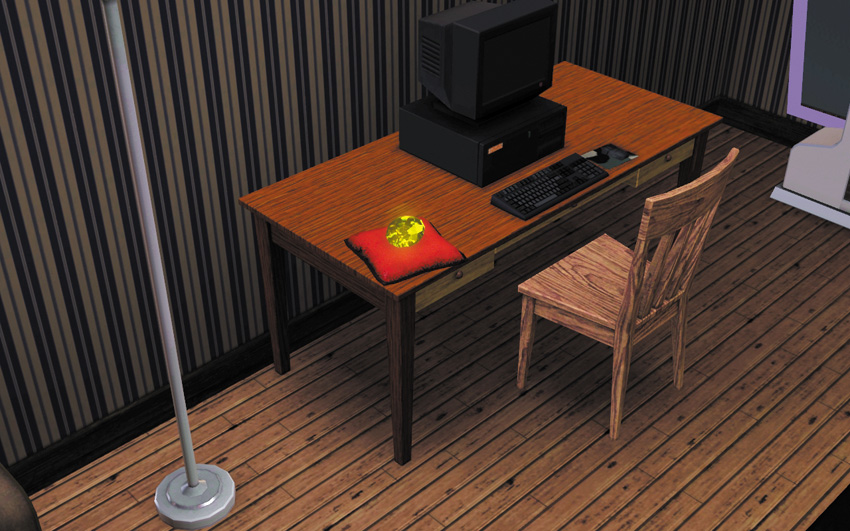
There are three ways to display a gem on your lot: on the ground, on a pillow, and on a pedestal. Left-click on the gem when it is on your lot to select your preferred display.
Gem Cuts
| Gem Cut | Available After # Cuts | Value Multiplier | Cost of Cut |
|---|---|---|---|
| Emerald | 0 | 1.25 | 10 |
| Oval | 4 | 1.5 | 20 |
| Pear | 8 | 1.75 | 35 |
| Plumbbob | 16 | 2 | 50 |
| Marquis | 30 | 2.3 | 75 |
| Crystalball | 45 | 2.6 | 100 |
| Brilliant | 60 | 3.5 | 250 |
| Heart | 5 | 1,000 |
Metals
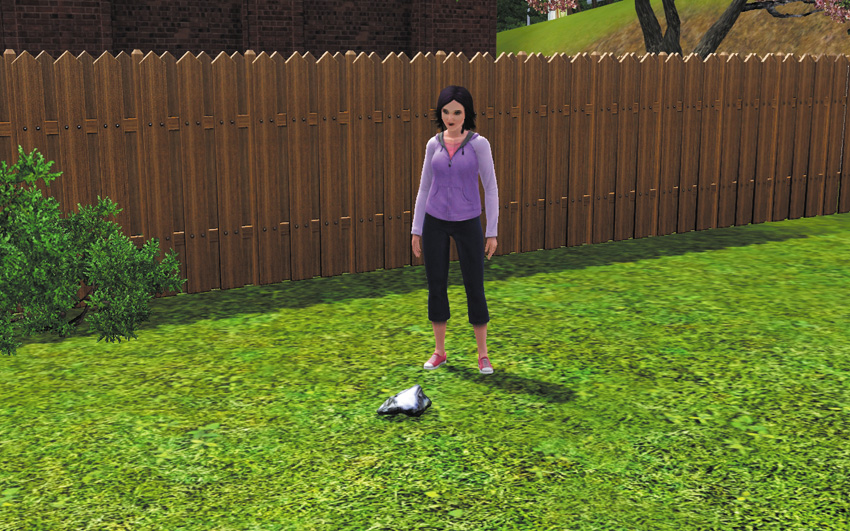
There are five different kinds of precious metals you can pull off the ground in Sunset Valley: iron, silver, gold, palladium, and plutonium. However, when you pick them up, they are still in ore form. These metals must be smelted to make them valuable—and pretty. To turn ore into ingots, just send them away via an interaction with your lot’s mailbox. When the ingot comes back, the value has improved by up to 75 percent. That’s quite a boost for the 40 smelting fee.
| Metal Ore | Min. Weight | Max. Weight | Value of Min. Weight | Value of Max. Weight |
|---|---|---|---|---|
| Iron | 1 | 52 | 7 | 20 |
| Silver | 1 | 52 | 25 | 35 |
| Gold | 1 | 52 | 40 | 120 |
| Palladium | 80 | 300 | 300 | 500 |
| Plutonium | 0.1 | 5 | 1,000 | 1,800 |
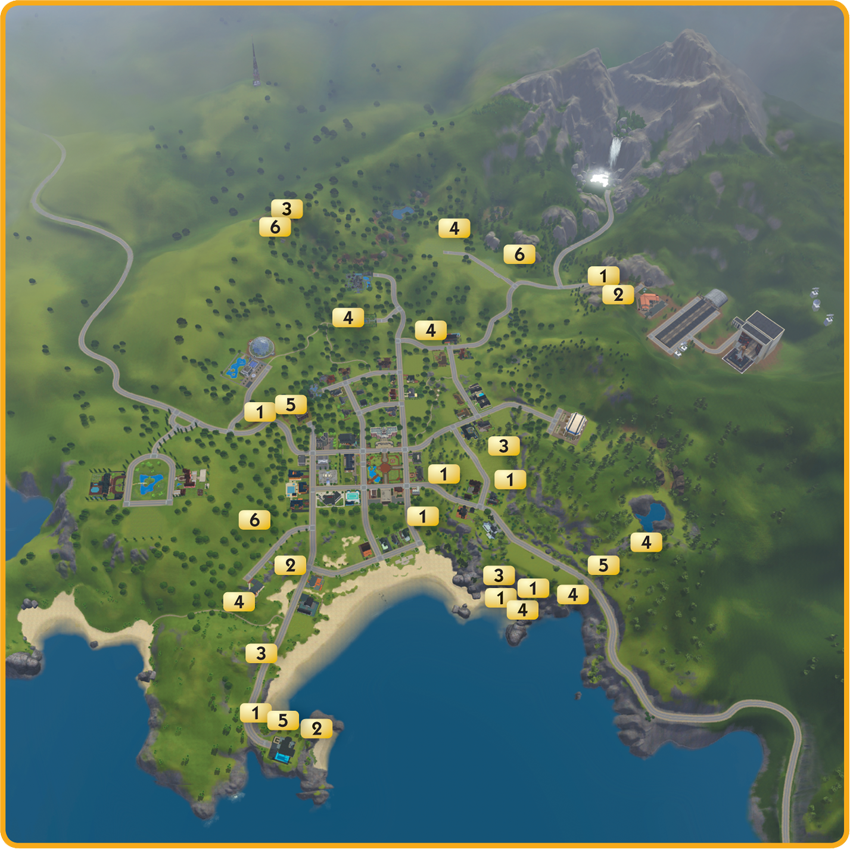
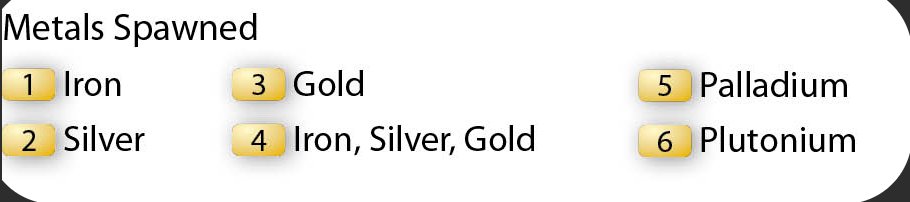
Meteorites
Space rocks streak through the atmosphere over Sunset Valley all of the time. Some of them actually crash down and can be recovered by Sims.
There are three sizes: small, large, and huge. Use this map to find places to look for meteorites v Sunset Valley:
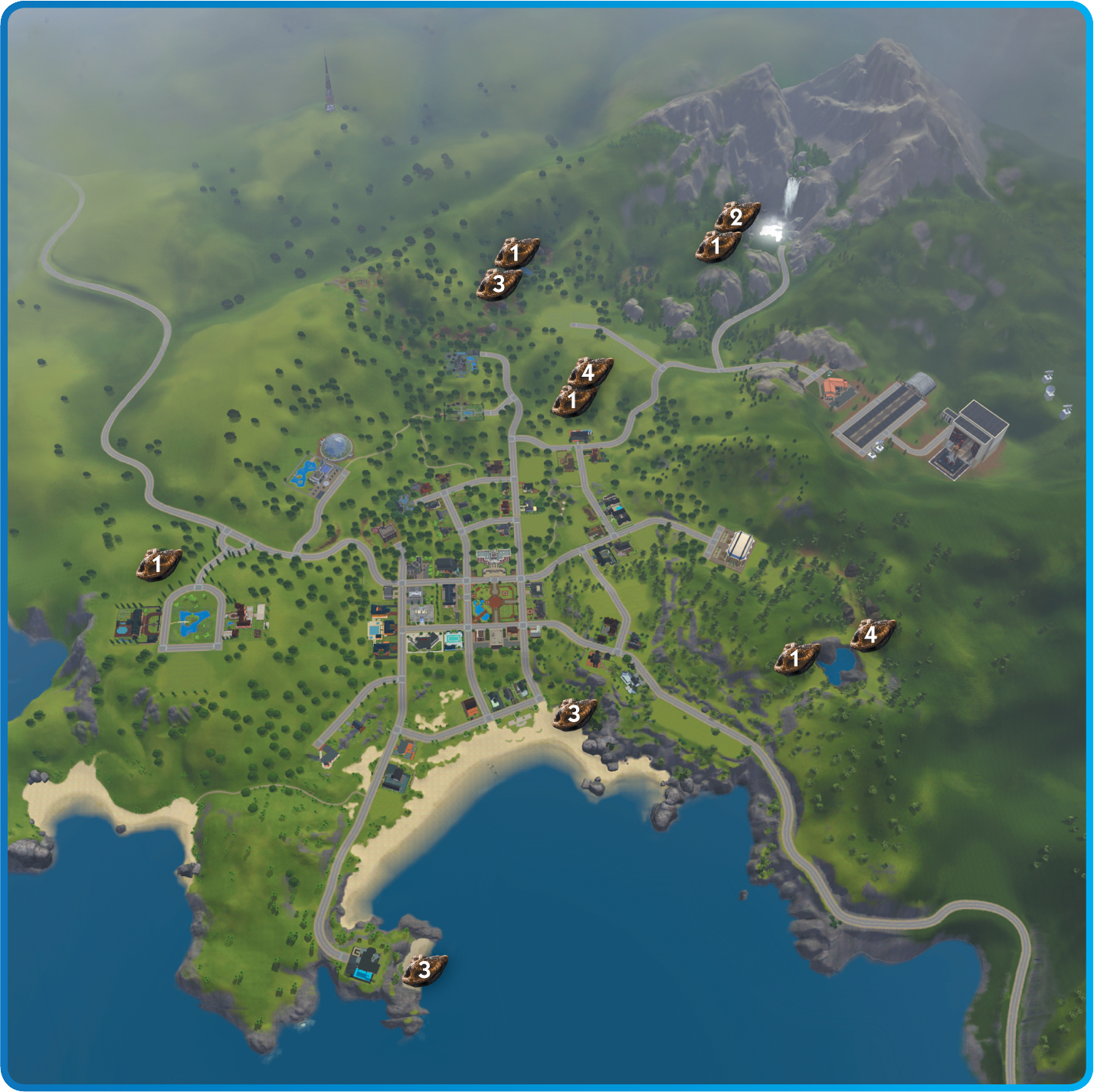
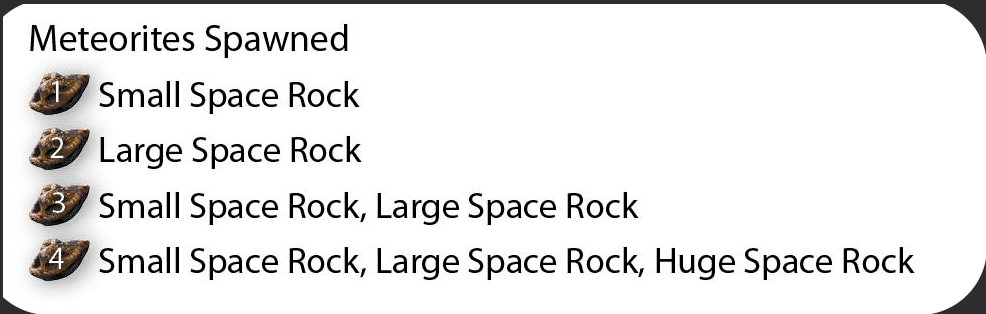
| Meteor | Min. Weight | Max. Weight | Value of Min. Weight | Value of Max. Weight |
|---|---|---|---|---|
| Small | 1 | 65 | 10 | 30 |
| Large | 100 | 1,050 | 50 | 200 |
| Huge | 50,000 | 1,001,000 | 2,000 | 4,500 |
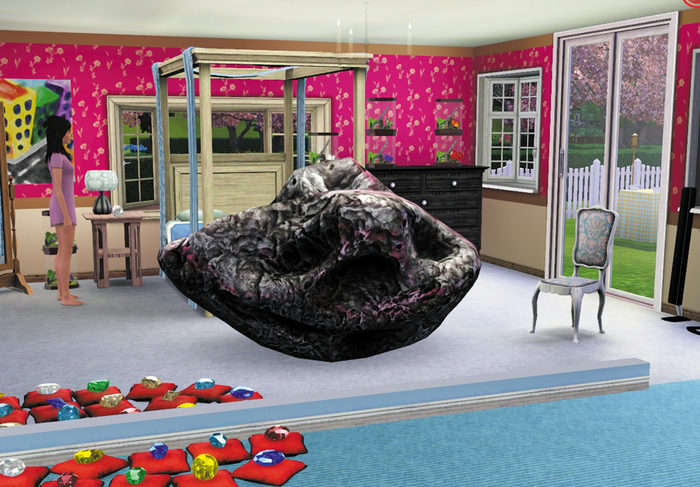
Huge meteorites are as big as a couch!
Like gems and metals, meteorites can be worth quite a bit of money once analyzed. But unlike those other treasures, there is a degree of risk when you analyze a meteorite to find out exactly what it is. Sometimes the raw value of a meteorite is greater than its worth once it has been identified. For example, if analysis reveals your meteorite is Ordinary Chondrite, the meteorite is now only worth half of its previous value.
After analyzing it, there is no way to reverse the process, so you might be stuck with a less valuable space rock. Here is a list of all of the possible results of analysis and the value multipliers of such discoveries:
| Meteorite | Value Multiplier |
|---|---|
| Acapulcoite | 0.7 |
| Angrite | 1 |
| Ataxite | 1.5 |
| Aubrite | 1.4 |
| Brachinite | 1.2 |
| Carbonaceous Chondrite | 5 |
| Chassignite | 1.2 |
| Diogenite | 0.9 |
| Enstatite Chondrite | 6 |
| Eucrite | 0.8 |
| Hexahedrite | 1.6 |
| Howardite | 0.7 |
| Kamasite | 1.75 |
| Lodranite | 0.8 |
| Lunar | 1.3 |
| Mesosiderite | 10 |
| Nakhlite | 1.1 |
| Octahedrite | 1.8 |
| Ordinary Chondrite | 0.5 |
| Pallasite | 4 |
| Rumurutite | 3 |
| Shergottite | 1 |
| Unusual Bellacite | 1.6 |
| Unusual Custerous Gossticite | 1.9 |
| Unusual Dukeadite | 2.2 |
| Unusual Holmberic | 1.8 |
| Unusual Llamatite | 2 |
| Unusual Mazzadrayte | 2.1 |
| Unusual Pearsonite | 2.1 |
| Unusual Rodiekceous | 2 |
| Unusual Sporecite | 1.7 |
| Ureilite | 0.9 |
| Winonaite | 1.3 |
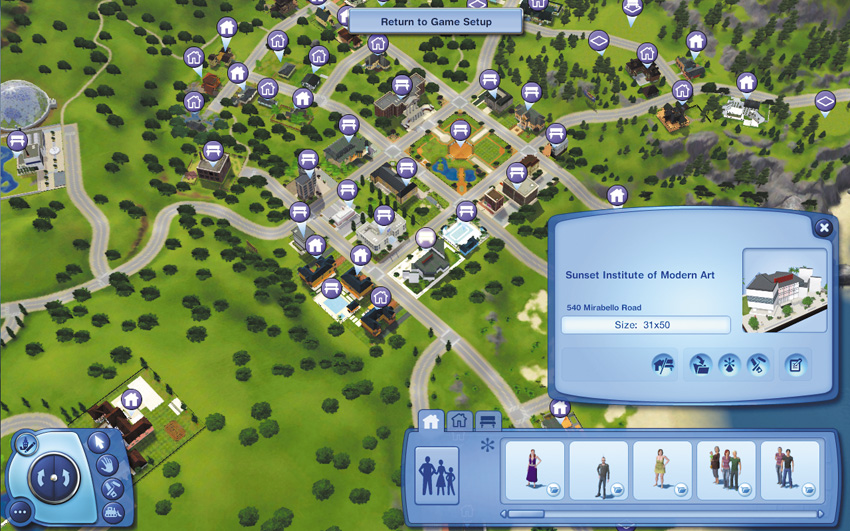
When in Edit Town, click on a lot to open a menu of options, such as turning a private lot into a community lot or bulldozing a lot so you can use it for something other than its original purpose.
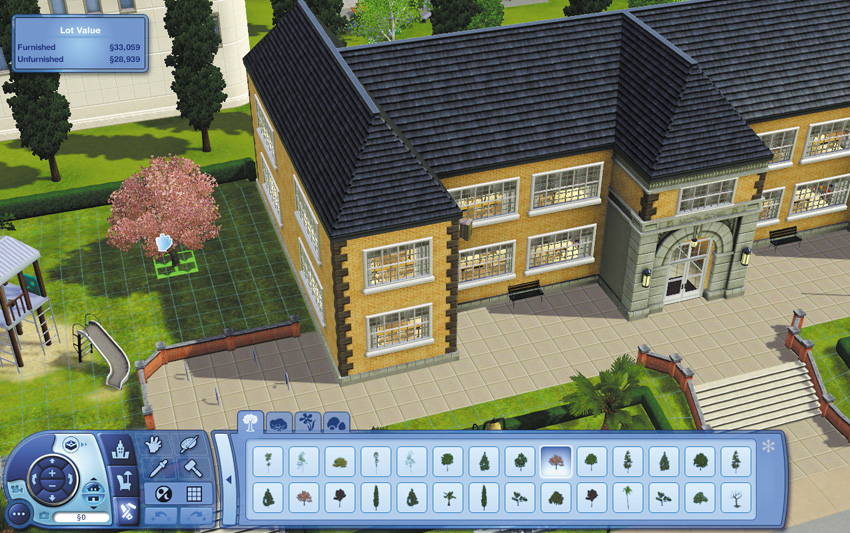
Within Buy Mode, you can add trees and objects to lots, both private and community.
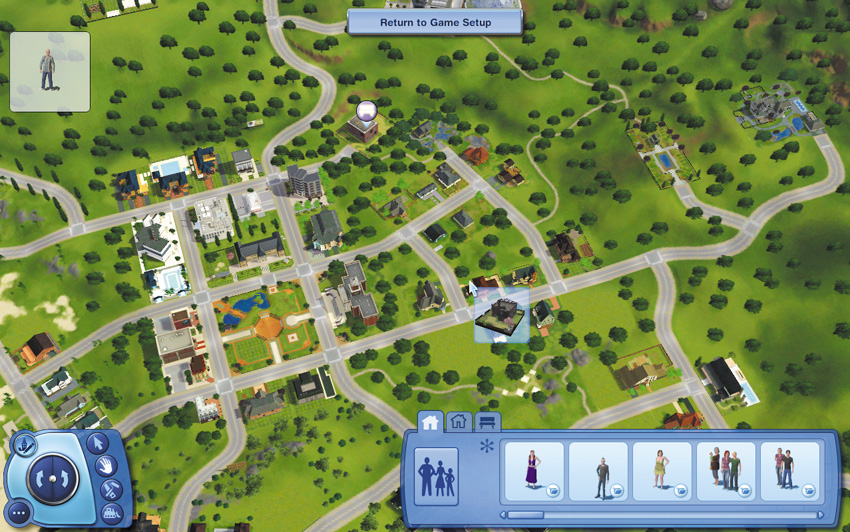
Move lots around Sunset Valley to completely reconfigure the town to your liking.
MAGIC GNOMES
Sims players are undoubtedly familiar with magic gnomes, mischievous little fellows that randomly appear in the world. Seasons introduces a host of new magic gnomes—including four magic gnomes based on the different seasons. These gnomes are all dressed up for the season—and they can only be found in the season for which they are associated:
- Spring: Bucktooth Butternut—These gnomes are often found during egg hunts or will spawn on home lots with bountiful gardens. They are also more likely to appear on a lot after the arrival of a baby, either through birth or adoption.
- Summer: Brawn Brawn G’nome—This gnome typically appears when the weather gets very hot. They are also attracted to BBQs and fireworks, so keep an eye out while enjoying the festivities!
- Fall: Cracklin Nackerbell—This gnome can be brought home from successful trick-or-treating or after “surviving” the Haunted House. This gnome can also appear on a lot with a Scarecrow or, sadly, on a lot where somebody was recently shuffled off the mortal coil. (Read: they died.)
- Winter: s-GNOME-man Bittertotter—This gnome often appears after very heavy snows or on lots that have snowmen.
But there are troublemakers among these pleasant gnomes, too, so watch out. When you would normally encounter or discover a non-seasonal magic gnome, such as a tour of the catacombs, there is now a chance that instead of coming back with a normal magic gnome, your tag-along will be an evil magic gnome.
If your Sim has either the Evil or Mean Spirited trait, or the average of their LTRs with other Sims is fairly low, they have a higher chance of receiving an evil magic gnome. On the other hand, Good or Friendly Sims decrease their chances of getting an Evil Magic Gnome—or if they have a fairly high average LTR with other Sims. Another way to be on the receiving end of an evil magic gnome? Have an enemy! If you have an enemy, there is a small chance that you will receive an evil magic gnome in the mail. (Unless you already possess one evil magic gnome, then you cannot get another in the mail.)
So, what makes these gnomes evil? They perform nasty actions on your lot! These are the possible actions an evil magic gnome will do either to your home or to one of the Sims in your household:
- Break something: The gnome appears next to a breakable object... and then breaks it.
- Un-make bed: The magic gnome pops up next to a bed, which is then un-made to lower the environmental score of the room.
- Create trash: The magic gnome randomly creates piles of trash on the lot, which lowers the environmental score and can lead to negative moodlets.
- Knock over trash: The gnome appears next to the trash can and then it is mysteriously knocked over, spilling garbage.
- Make puddle: The magic gnome appears on a spot in the house and then a puddle forms beneath its feet. Get the mop!
In addition to these bits of trouble, evil magic gnomes can also appear next to normal gnomes and adopt fighting stances. This leads the good gnome to also enter a fighting pose. But perhaps the most mischievous action of the new evil magic gnome is the ability to give a Sim a nightmare—or a Gnightmare, if you will. There is a chance the evil magic gnome will appear next to a sleeping Sim (child or older—no toddlers or babies) and strike a freaky pose, complete with glowing eyes. This triggers the Gnightmare moodlet, which tanks the Sim’s mood.