
Why Dying Light Still Uses a Custom Engine in a UE5 World
More C-Engine, please.

Unreal Engine 5 is the go-to for most major game development studios, and it is obvious why. It is a commercial engine that can be used for practically any genre while delivering high-quality visuals, regardless of scope or team size. However, all of this comes at a cost.
Most Unreal Engine 5 titles look great but are not scalable, often requiring high-end hardware for a consistent visual experience and decent performance. Techland, which recently released Dying Light: The Beast, does not seem concerned with this. Here is what I learned after interviewing franchise director Tymon Smektała, and why Techland continues to rely on its in-house engine.
C-Engine – Techland’s Secret Weapon Behind Dying Light
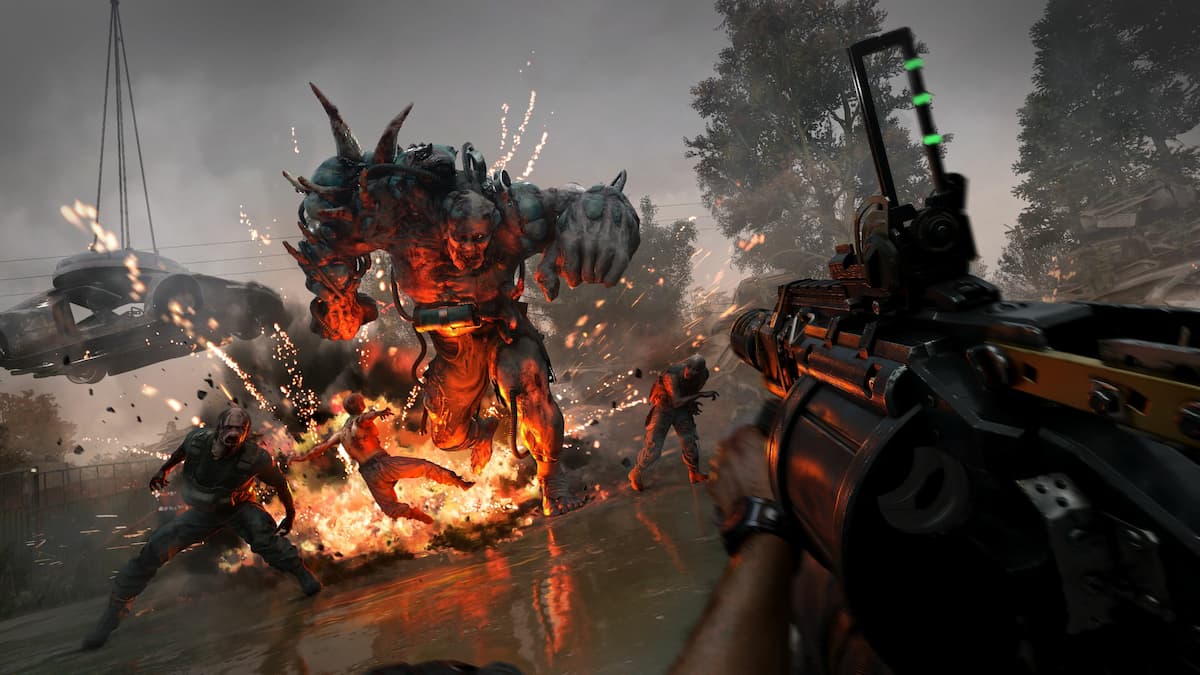
Originally known as Chrome Engine, Techland redesigned its technology for Dying Light, debuting C-Engine, which delivered exceptional performance, high scalability, and support for modern rendering features. This has continued to evolve with Dying Light: The Beast, which surprised everyone with superb performance across a wide range of hardware, even while delivering high-quality visuals.


With more and more studios, including fellow Polish studio CD Projekt Red, moving from in-house technology to Unreal Engine 5, I had to ask Tymon why Techland is choosing to stick with C-Engine.
Our proprietary C-Engine is tailored specifically for what Dying Light needs, fast streaming of high-fidelity open worlds, dynamic day and night systems, detailed lighting. On top of that, we have our two core mechanics, physics-based first-person parkour and melee combat, nailed here. It is our secret weapon. Using our own tech gives us full control, we can tweak, change, or rebuild any system without waiting for external updates or licensing restrictions. For Dying Light’s DNA, C-Engine just fits better.
For Techland, this freedom, familiarity, and focus allow them to deliver sprawling open worlds that also run well, whether you are playing on PC or console.
Making Dying Light Run Well for Everyone
In addition to using their own engine, Techland also ensures that the process of optimization starts early on in development. Tymon emphasized that it’s part of their culture to ensure that their releases are performant for a wide audience.
Optimization is something we take great pride in – it’s part of the Techland culture. We want as many players as possible to experience our worlds, so we spend an enormous amount of time on optimization, starting early to make sure we’re ready for launch, at launch.
The results speak for themselves, and Dying Light: The Beast is arguably one of the best-performing games of the year, especially on PC, and I’m glad that Techland isn’t tempted to make the switch, just yet.


It seems that optimization, in particular, has become an afterthought for many other major AAA releases, particularly those running on Unreal Engine 5. Whether it’s the engine itself or tight deadlines for developers, it’s clear that hardware isn’t the issue.
Make sure to check out our full interview with Tymon Smektała to learn more about Dying Light: The Beast’s development and Techland’s approach to crafting immersive and performant open worlds.
Check out the full interview about Dying Light The Beast for more.
If you’d like to see more helpful guides, news, or features from Prima Games, please consider adding us to your preferred sources.


