
Franchise Director Tymon Smektała Talks Dying Light The Beast
The big Techland interview!


I had the chance to interview Tymon Smektała, Franchise Director of the Dying Light series, about the third installment, Dying Light: The Beast. Not only does it bring back fan favorite Kyle Crane, the parkour master and melee combat powerhouse, but it also offers a fresh look at Techland’s vision moving forward.
From new gameplay insights to the studio’s development culture and the evolution of the franchise, here’s what I learned.
Dying Light: The Beast Interview with Tymon Smektała
Note: Questions for this interview were sent before the release of Dying Light: The Beast.
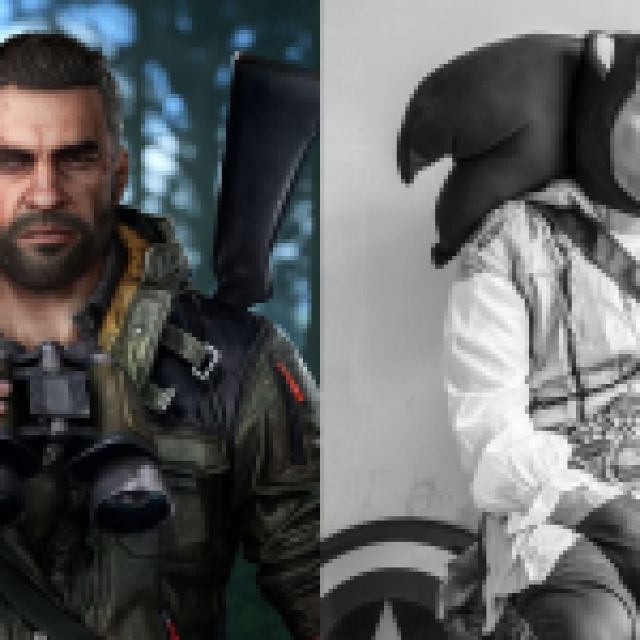
Dying Light: The Beast sees the return of Kyle Crane, arguably one of the best parts of the original game. What is it like working with Roger Craig Smith again, and was it always a plan to bring Kyle back through an expansion?
Tymon Smektała (Franchise Director – Dying Light): Working with Roger again has been an absolute joy. His performance as Kyle Crane is iconic. He gave the character so much heart and grit that it’s impossible to imagine anyone else in the role. Roger was thrilled to come back – even though at the beginning he was a little confused, saying “eeeeh, didn’t you kill me in the previous one?” – and he really put himself into it. What I like most about his performance is that it’s so multilayered – there’s pain, exhaustion, but also this faint spark of the old, sarcastic Crane underneath all that darkness.

The original Dying Light had a great balance of always keeping you on your toes while giving you enough options to fend off threats. How is that balance maintained now that Kyle is essentially a beast himself?
That balance was something we obsessed over during the whole production. Yes, Kyle is stronger, faster, and more capable now, but we made sure that with great power comes, eh, great vulnerability. His beast-like abilities are limited, and you can’t really count on them all the time – but when they kick in, it feels empowering. Nighttime is still terrifying; we didn’t want to lose that. You might have superhuman strength for a few seconds, but that doesn’t mean you can outlast a pack of Volatiles. The fear is still there, and it comes from control – or rather, the lack of it.
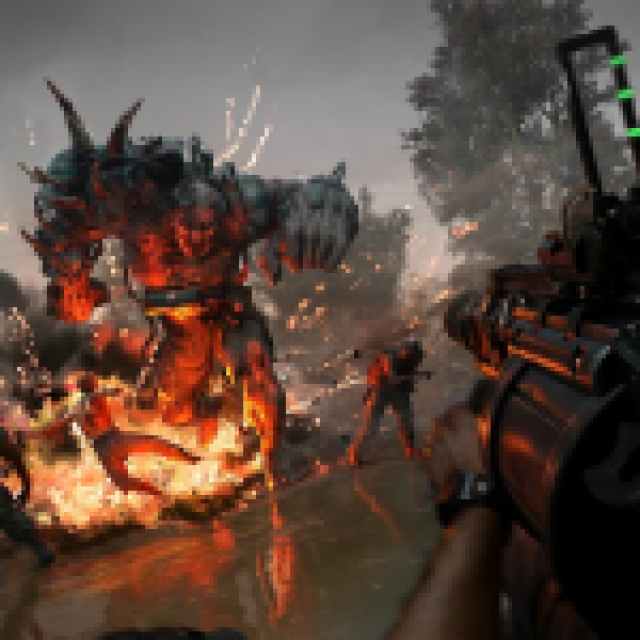
What’s one new mechanic or skill you’re most excited for players to experience?
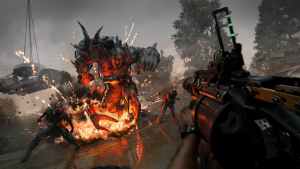
Definitely Crane’s Beast Mode powers. They’re not just flashy combat moves; we’ve worked hard to make these powers feel very visceral, almost physical. I’m really proud of what we achieved there – having something as powerful in a survival horror game creates a set of design challenges, but I think we really did deliver a great player fantasy without jeopardizing the balance of the game.
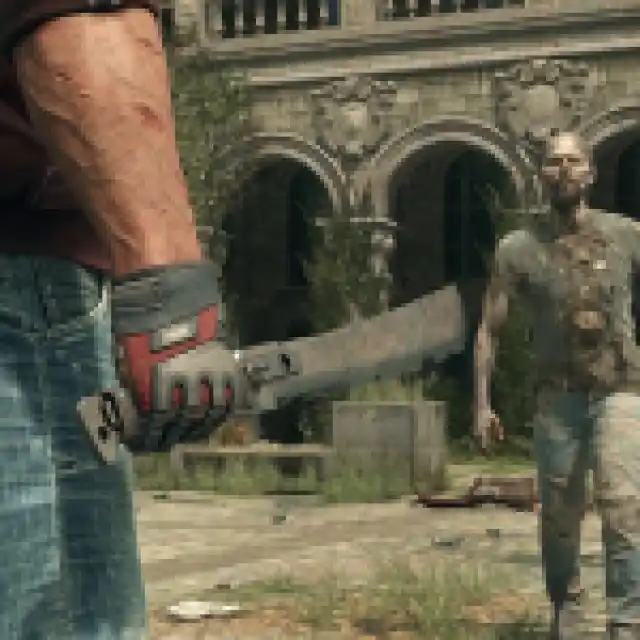
First-person melee combat is notoriously difficult to get right, yet your games make it feel consistently satisfying. What’s your secret to nailing that balance?
Great question. We approach melee combat almost religiously – and everything, every detail is important for us. Timing, weight, and enemy reactions all matter. Every swing of a weapon in Dying Light has mass – it hits, it sounds, it throws enemies off balance, it interrupts their attacks. You feel it because it’s not just animation; we wrap it in brutal audio feedback – the sound of impact, the “ugh”, the crunch of the cracked bone.

On the narrative front, without spoiling too much, what themes or directions are you exploring in The Beast that set it apart from previous entries?
I don’t want to oversell our story as we specialize mostly in gameplay, but Dying Light: The Beast is actually… quite a beast. On the surface, it’s just about revenge, but there are more themes there. What makes someone human when they’ve been pushed beyond human limits? We wanted to explore the line between power and getting lost in it, between the man Kyle was and the thing he might become. It’s still a story about survival, but – to get poetic for a second – this time it’s survival of the soul, not just the body.
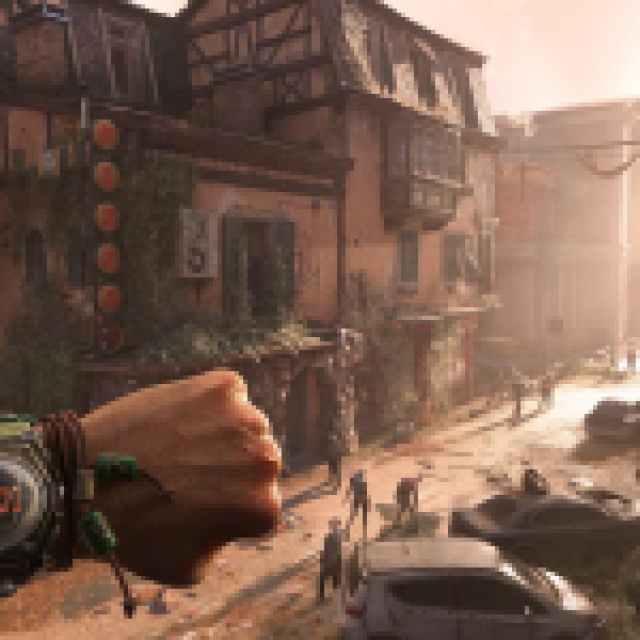
Many fans still return to Dying Light today, even over newer open-world games. From your perspective, what makes your world design stand out, and what do you prioritize that sets you apart from other studios?
I think it’s the focus on immersion that’s the key for us, a pillar of all our design decisions. Everything in Dying Light feels tangible – realistic, physical and visceral. And our world is not just a playground, a character. You don’t fast-travel in our games – you traverse them, and that movement gives you the connection to space. We also put a lot of attention into environmental storytelling – every corner has a story, every abandoned room has a reason it looks the way it does. It gives players a sense that the world existed before they arrived and will keep existing after they’re gone.

It’s been over three years since Dying Light 2 launched. Looking back, what were the biggest lessons learned from its reception and feedback, and how are those shaping The Beast?
The biggest lesson was clarity of focus and attention to details. Dying Light 2: Stay Human was ambitious – maybe too ambitious in some areas – and while we’re proud of what we achieved, we also learned that sometimes less is more. For Dying Light: The Beast, we stripped away the noise to deliver a tighter, more purposeful experience. The game knows what it wants to be: intense, grounded, and emotional. We’ve also taken community feedback – every little detail of it – to heart in terms of combat feel, movement precision, and pacing.
You’re still using in-house technology for The Beast instead of moving to a commercial engine like Unreal Engine 5. With so many studios (unfortunately) adopting UE5 for ease of development, why is sticking with your own tech still the right move for Techland?
Our proprietary C-Engine is tailored specifically for what Dying Light needs – fast streaming of high fidelity open worlds, dynamic day/night systems, detailed lighting. On top of that, we have our two core mechanics – physics based, first person perspective parkour and melee combat nailed here. It’s our secret weapon. Using our own tech gives us full control – we can tweak, change, or rebuild any system without waiting for external updates or licensing restrictions. For Dying Light’s DNA, C-Engine just fits better.
Previous Dying Light releases scaled well across a wide range of hardware, even on lower-end systems. Can players expect the same accessibility with The Beast?
Absolutely. Optimization is something we take great pride in – it’s part of the Techland culture. We want as many players as possible to experience our worlds, so we spend an enormous amount of time on optimization, starting early to make sure we’re ready for launch, at launch.
Dying Light and Dying Light 2 received plenty of post-launch support. Can players expect the same for The Beast, or is this more of a contained experience?
We’ve always loved engaging with our community post-launch, and we plan to continue that tradition in meaningful ways. It’s a little too early to answer that, but players can definitely expect more in Dying Light: The Beast, the same way as they expected (and got delivered) more in both previous games in the series.
Dying Light: The Beast is now available on PC, Xbox Series S|X, and PS5.
If you’d like to see more helpful guides, news, or features from Prima Games, please consider adding us to your preferred sources.


