
Legacy of Kain: Ascendance Review – A Grim World With Rough Edges
Kain still sounds like a million bucks.

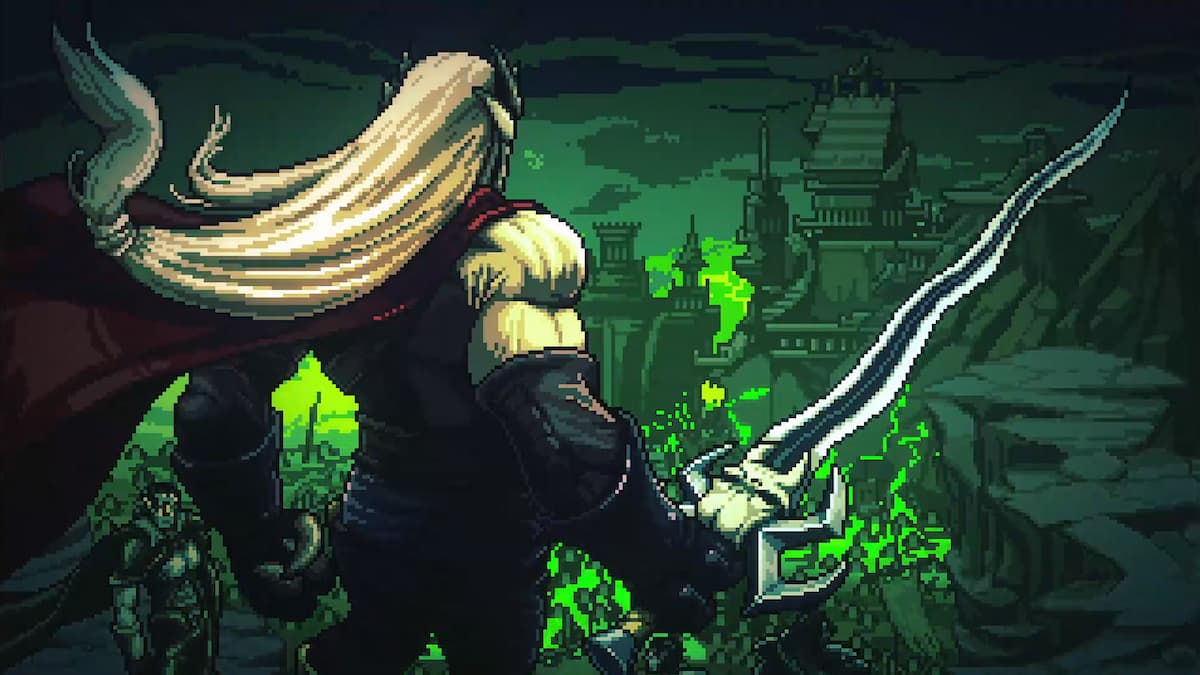
After several remasters, Legacy of Kain is finally back after 22 years with a brand new title, Legacy of Kain: Ascendance. It expands the world of Nosgoth, introduces new characters, and gives its decorated voice cast another chance to flex their talent with Shakespearean dialogue in Gothic halls.
Here are my thoughts on Legacy of Kain: Ascendance, a 2D platformer that is fairly different from everything that came before in the series.
That’s a Lot of Vampires
Before I start, I should give a brief history of my experience with the franchise. I haven’t played any Legacy of Kain titles before, so my knowledge is limited to a general idea of the characters and their world. I don’t have any prior opinions on the gameplay, and thankfully, Legacy of Kain: Ascendance is technically a prequel most of the time. Throughout the game, you play as multiple characters, including Raziel in both human and vampire form, Kain, and Elaleth, a new character introduced in Ascendance.
Even as someone with almost no knowledge of the lore, the writing and voice work really stand out. The dialogue is often poetic, with a sense of formality even when characters are threatening each other, which happens most of the time. Getting along isn’t really their style. They usually want something from each other, whether it is blood or a favor. It is a grim world that quickly draws you in, and despite the lack of proper animation, the dialogue, characters, and portraits do more than enough to keep you engaged.
As far as the story goes, I enjoyed it, but it is clearly aimed at fans of the franchise and is probably not the best place to start if you want to get into the series. I imagine many moments will land harder for those familiar with the characters and timeline, especially since the game moves across several time periods throughout its runtime.
Entering the Combat Flow State
Combat is a bit like the classic Castlevania titles and something like Rastan, where positioning and spacing play a big role, whether you are dealing damage or taking it. Each vampire character’s health slowly drains, so you need to finish off enemies by drinking their blood, or you will die. This mechanic raises the stakes and forces you to stay aggressive to survive. There is not much time to linger, and while the combat itself is fairly basic, you have access to a melee weapon for standard attacks, an invincible roll or dodge, a drop kick, and a parry.
When everything clicks, you can fall into a satisfying rhythm, parrying attacks, countering, and drinking blood as you move between enemies. Unfortunately, like many other gameplay elements, the combat is not as polished as it should be. For instance, while you are drinking blood, you gain invincibility frames against most enemies, but for some reason, flying enemies can still hit you, and there are a lot of them.
Checkpoints often place enemies right next to you, meaning you can take damage the moment you respawn. Enemies will also chase you to the end of the level if you leave them alive or fail to take them out quickly. The core combat is decent, but it never really evolves into anything special and feels basic throughout. These annoyances constantly interrupt the flow state, where mastering spacing should feel rewarding.
You do feel like a vampire on the hunt, but if you strip away the setting, the system feels too standard, and the lack of polish becomes frustrating. This issue extends to the bosses, which feel very one-note, with almost no special attacks, variations, or meaningful player responses, leaving little room for experimentation. Overall, the combat encounters feel uninspired, with design choices that do not quite complement each other.
Art, Music and Level Design
The chunky pixel art looks great at times, and the backgrounds are particularly impressive. The game leans into a moody aesthetic, with much of the screen shrouded in darkness, which helps sell its grim tone. Attacks are fairly readable, and while enemy variety is limited, visual differences help keep things from feeling too repetitive.
That said, the level design is fairly basic, and nothing really stands out, either in terms of gameplay or visuals. Much of what you see in the early levels is structurally similar to what appears later on. It all feels quite simple in execution and does not come close to the originality or depth of the Castlevania titles it seems to draw inspiration from.
Finally, the music is outstanding, and I really enjoyed all the tracks. The metal soundtrack complements the tone and setting perfectly, and it is something I will be listening to outside of the game as well.
Verdict
Legacy of Kain: Ascendance is a welcome but uneven return that leans heavily on its strengths in writing, voice acting, and atmosphere. The Shakespearean dialogue and multi-character narrative are engaging even for newcomers, but the experience is clearly aimed at long-time fans. While the combat can feel satisfying when its rhythm clicks, it is held back by a lack of polish, repetitive encounters, and underwhelming bosses. Paired with basic level design that never truly evolves, the game’s standout elements end up being its moody pixel art presentation and excellent metal soundtrack, which together do much of the heavy lifting in keeping the experience compelling.

Legacy of Kain: Ascendance
Impressive writing, voice acting, and atmosphere, but held back by basic combat, repetitive design, and lack of polish.
Pros
- Strong writing and voice acting with engaging, poetic dialogue
- Moody atmosphere and solid pixel art presentation
- Outstanding metal soundtrack that fits the tone perfectly
Cons
- Combat encounters lack depth and do not evolve meaningfully
- Repetitive level design with little standout variety
- Boss fights feel one note and underdeveloped
- Design choices can disrupt combat flow, including enemy behavior and checkpoints
A copy of this game was provided by the publisher for review. Reviewed on PC.


