
Screamer Review: Looks and Feels Fast, But Slightly Shallow
Too fast for comfort.

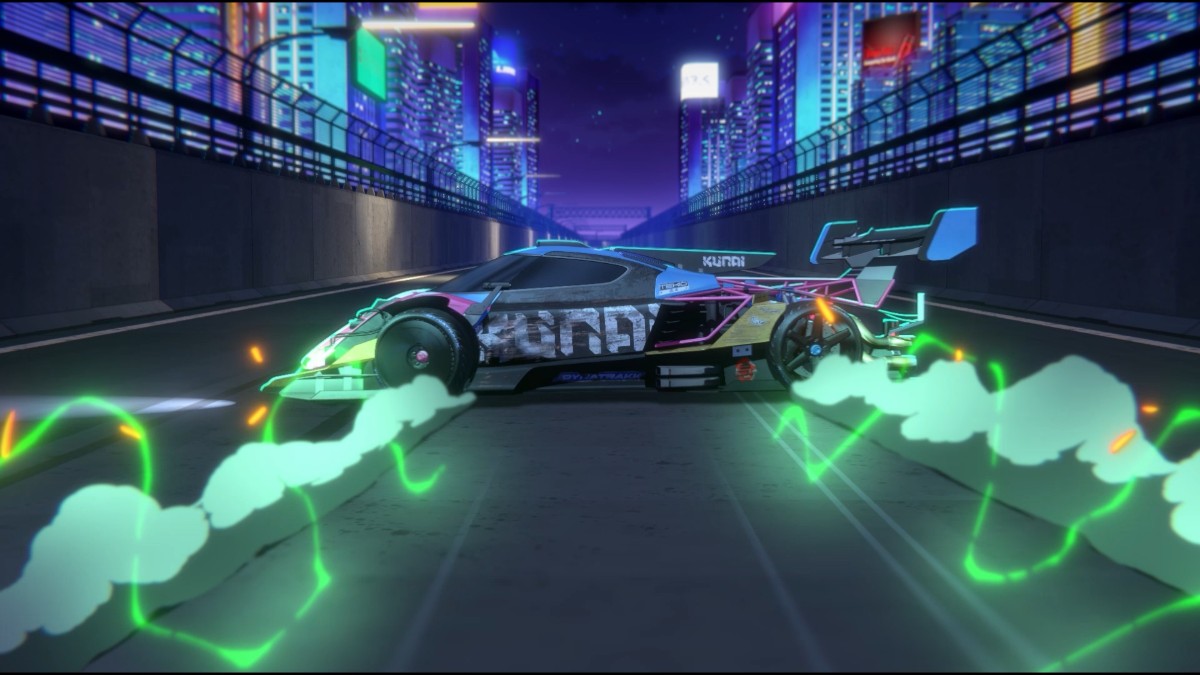
Like many arcade racing games, Screamer doesn’t shy away from completely foregoing real-life physics in exchange for high-octane action. The game focuses on its two identities – hyper-unrealistic cars that can drift at 300 kph around corners, and an anime aesthetic.
Screamer boasts an 8-10 hour story mode, couch co-op, and some online arcade play. However, is it worth it, especially with that $60 price tag? Here’s my take after finishing the tournament.
Screamer’s Racing is Amusing, but Needs a Little More
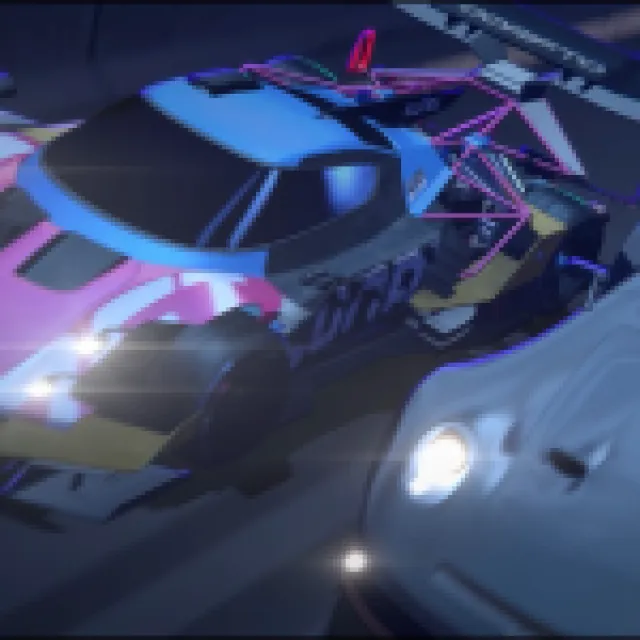
For most games I review, I place the most value on gameplay and game design. For a high-octane racer like Screamer, it has simple mechanics, but is also hard to master.
Cars are unrealistically fast in Screamer. They could go from 1kph to 200kph in just a couple of seconds. Drifting is also made simpler; swiping the right analog stick left or right automatically drifts in the corresponding direction. You don’t have to worry about ripping down that e-brake to drift.
The gameplay focus shifts to being as fast as possible at all times, but through the game’s boost system. Every time you shift up or maintain a fast pace, especially while in 6th gear, you accumulate boost. Boosts are usable at all times, but are mainly used to pick up speed on long straights and bypass your typical max speed.
When you get familiar with Screamer’s racing mechanics, you’ll tend to find ways to maximize your boost, even using it in a turn to pass other cars. Taking aggressive, tight turns is a viable strategy because you can time your boost and end up exiting the turn way faster than the others.
Other mechanics are also introduced subtly later in the game, such as the bloodthirst mechanic for knocking out other drivers. Since the story is quite long in terms of episodes and races you have to finish, the pacing is just right for learning the game’s insanely high-octane races.
The story is more fun because of the arcade-style racing, but I wish there were more customizations available throughout the campaign, not just in the arcade or online modes. I felt a massive lack of a sense of progression throughout the game. It would have been amazing to get more new cars, tuning, and upgrades. That’s one of my biggest joys in playing any racing game, whether it is an arcade racing game or a real-life racing simulation game – you want that sense of progression.
The Good, the Bad, and the Story


Screamer has many fun and interesting characters that lean heavily into its anime-inspired focus. Most teams are divided mostly into cliques, slowly introduced throughout the Tournament. You play as different characters at almost every stage, with the campaign mostly focusing on the main narrative.
Cutscenes are well-animated, with a cinematic flair that makes it feel like you’re watching an anime series. However, once you look past the spectacle, the story itself doesn’t break new ground. It’s packed with clichés. While these tropes aren’t inherently bad, they do make the narrative predictable at times.
Screamer’s story works because of its pacing and charm. The rotating perspective between characters keeps things fresh, and the episodic structure makes it easy to stay engaged. Even if the plot doesn’t surprise you, the journey is entertaining enough to carry you through to the finish line.

Screamer
Screamer is a fun, stylish anime racer that nails its core gameplay, but its missing progression systems and cliché story make the $60 price tag tough to justify.
Pros
- Fun to play with others
- Easy to learn and anyone can easily pick up the game
Cons
- Lacks depth in story and mechanics.
- Needs more modes and fun systems.
A copy of this game was provided by the publisher for review. Reviewed on PC


