
A Digimon Story Time Stranger Review from a First Timer – A Perfect Entry for New Fans
One of the best JRPGs in 2025.

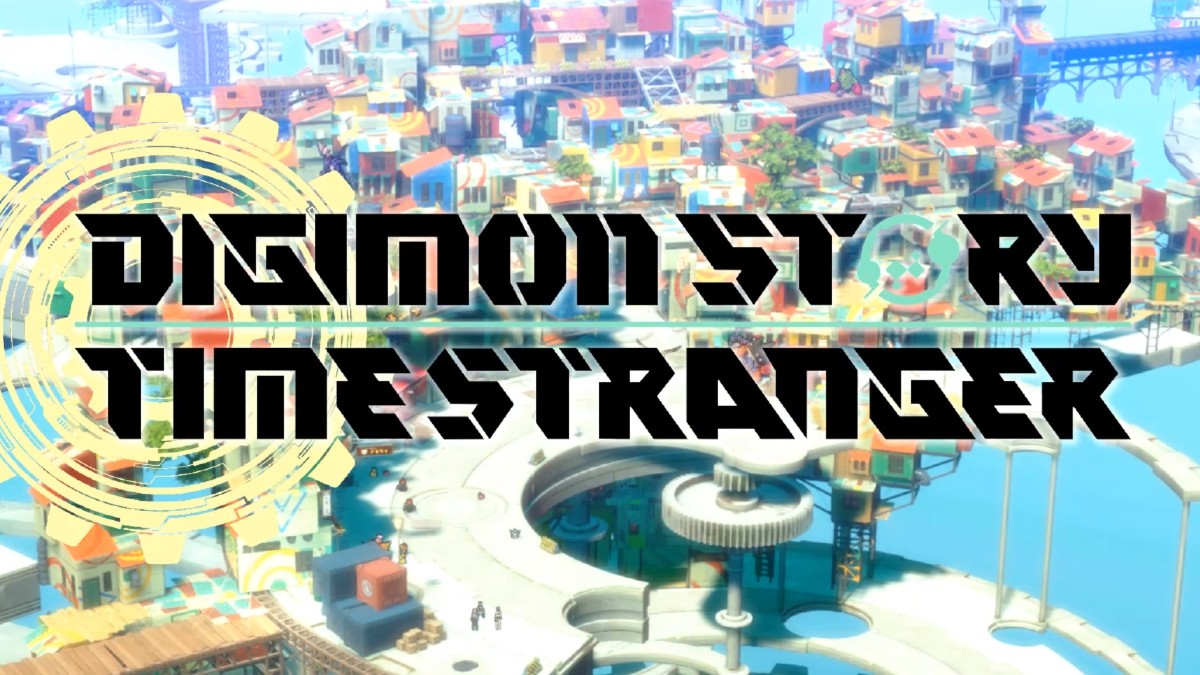
As someone who has never played a single Digimon game ever, I finally caved in and tried my first one – Digimon Story: Time Stranger. While I am completely aware of Digimon’s long and rich history, especially its toys, anime, and game titles, I never got around to trying a game, making me completely clueless about its core gameplay mechanics that have been around for decades.
As for the game, Digimon Story: Time Stranger, it is the seventh title in the “Digimon Story” subseries, following the successful release of Digimon Story: Cyber Sleuth eight years ago. However, it is completely standalone, making it a possible entry for new fans.
My Introduction to the World of Digimon


As someone who has played Pokémon before, it was easier to grasp the core concept of a JRPG creature-collecting game. Even then, Digimon Story: Time Stranger did an exceptional job in laying down the groundwork for all its mechanics throughout the story.
After 20 hours into the game’s main story, I still find the game teaching me new features in detail as they come along. Everything felt perfect as a newbie.
The gameplay mechanics are lenient, giving you more freedom to experiment with strategies. The ability to change your Digimon each turn without consequences or losing the turn adds an exciting twist to turn-based combat, especially when using an item that also doesn’t use up a turn.
I’ve played a lot of JRPGs and never valued consumables as much as I did in Digimon Story: Time Stranger. In fact, the game practically gives you all the leniency in the world. The freedom to change attachment skills and equipment without losing the item or facing any consequences, the leveling mechanics, and the DigiAttacks all felt like the game respects your time and prioritizes your enjoyment.
With minimal consequences, as a new player, I focused more on learning Digimon’s deep roster and experimenting with personalities and Digivolutions, which was a fascinating experiment to say the least.
There were a few hiccups, as the game’s typing system and elemental system could’ve been made clearer. While the Data, Virus, and Vaccine typing is easy to understand, combining the elemental system to identify strengths and weaknesses makes things harder to comprehend.
As a result, even a well-rounded Digimon party could find trouble when things don’t align, especially when there’s a difficulty spike in the story progression. Looking at it positively, it did carve out a new goal to start exploring new special skills and Digivolutions to solve potential problems in the future.
A Deeply Engrossing Storyline


As much as I can rave on and on about the gameplay, Digimon Story: Time Stranger also has a compelling story, unravelling a big mystery bit by bit throughout.
When the story makes you take a minute to pause and ask questions, you know it has a riveting mystery to uncover. As you go through different timelines and travel between the human and digital world, you’ll encounter different stories from Digimon because of the war-ravaged world. As you grow deeply immersed in a character’s backstory, the game slowly pulls your heartstrings, all while piecing together what brought destruction to the world in the first place.
The storytelling was masterful as it showcases glimpses of the truth and carefully weaves all the tiniest details to paint the whole picture.
From the perspective of a new player, the story is perfect for newcomers, as the game doesn’t stroll you down memory lane to past Digimon games but builds a foundational story instead.
At the time of writing, I poured in 51 hours playing the game, and DSTS has me looking forward to future Digimon entries.

Digimon Story: Time Stranger
Digimon Story Time Stranger is the perfect entry for newcomers and a welcome sight for veterans who have been waiting almost a decade for a new title. DSTS tells a riveting mystery about the human and digital world, compelling players of all ages to its expansive universe.
Pros
- Simple but deep combat mechanics.
- Amazingly rich story with a lot of depth.
- Top-notch character building.
- Beautifully crafted worlds.
Cons
- Lacks a "field" guide to help refresh through mechanics.
- The DigiFarm experience has a lot of room for improvement.
A copy of this game was provided by the publisher for review. Reviewed on PC


