
Resonance: A Plague Tale Legacy Review – The Heart Remains
The Sea Scorpion!


A Plague Tale: Innocence was one of my favorite releases of 2019, and with it, Asobo Studio proved that it could do more than licensed titles and racing games. Resonance: A Plague Tale Legacy is a prequel to Innocence and Requiem, and despite sharing the same world, it very much feels like its own thing.
Beyond its new mechanics and greater focus on combat, though, Resonance remains a largely character-driven adventure. It’s an area Asobo has continued to develop throughout the series, and it remains the game’s biggest strength. Here’s what I thought of Resonance: A Plague Tale Legacy.
No Rats on This Ship
It’s hard to talk about Resonance’s story without getting into character moments and reveals, but here’s the gist. Sophia, a plunderer, is well acquainted with the Macula, much like Hugo, but she doesn’t possess his magical rat powers. Instead, she has a deep connection to the famed Minotaur’s Island. After a failed expedition to retrieve key information needed to unlock its deeper vaults, that connection eventually leads her and her friend Leni to the island.
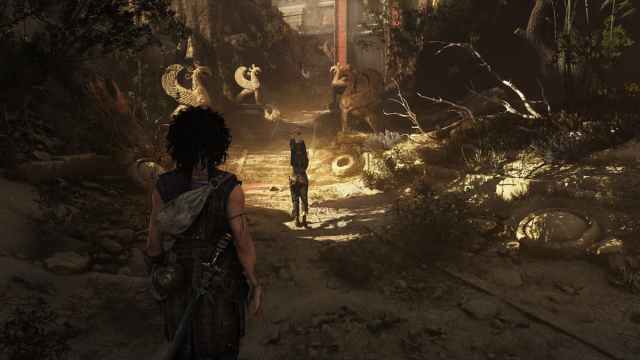
As expected, the island isn’t what it seems. It harbors a force of nature in the form of a nightmarish creature that thrives in darkness. I don’t want to go into much more detail, but the ancient entity is also tied to a parallel storyline involving Theseus and their trials on the same island, back when it was home to a thriving civilization.
The key takeaway from the story is, once again, the strength of its characters, their deep relationships, and how those relationships evolve throughout the campaign. Themes of deep companionship, particularly Sophia and Leni’s friendship, parental figures beyond blood, the cost of blind ambition, our inability to tame nature, and grief are all explored throughout the story.
The team has done some solid character work here. Sure, some ideas could have been fleshed out more, and I think the parallel storyline involving Theseus and its connection to Sophia could have been more prominent, but it’s a narrative gamble that ultimately pays off. Sophia isn’t as inexperienced as Amicia and Hugo were in the first A Plague Tale, so she’s more prepared and grounded in her quest. She’s still vulnerable, though, and remains largely in touch with her emotions. The game frequently jumps between parts of her life, giving you just enough context to understand how she thinks and reacts.
You’re often accompanied by other characters as you explore the island, and there’s always some banter, similar to something you’d hear in the Uncharted games. Whether they’re commenting on what’s happening around them or simply talking about random things, you quickly notice their absence whenever you’re alone.
By the end, I wanted to see more of her adventures, which is perhaps the best compliment I can give the character. Thinking back, it was Amicia and Hugo’s relationship and their story that stayed with me most from the first game, and Resonance has managed to leave me with that same feeling.
Outside the story, I really enjoyed the environmental puzzles, which often had multiple moving parts. Sure, these weren’t particularly difficult to figure out, but the game lets you turn hints off entirely or adjust how frequently they appear. You aren’t coddled with the answer immediately, and I actually had to think through some of them before figuring them out. Many of these puzzles involve light, lenses, and mirrors in some way, but they felt thematically relevant to the island and its architecture rather than feeling like arbitrary obstacles.
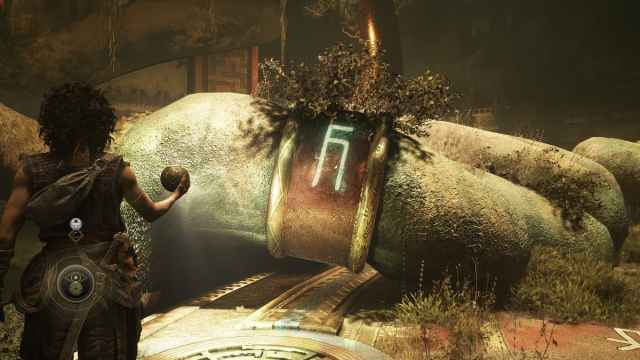
Resonance also has a nice pacing structure, jumping between combat, puzzles, set pieces, platforming, and sections involving the creature. You’re rarely doing the same thing for too long, which keeps the campaign feeling fresh. It’s easy to forget that the game even has a full combat system when you’ve spent a while hiding from the creature or working through a puzzle.
Playing It Safe
While the heart of A Plague Tale is beating soundly in Resonance thanks to its characters, the biggest change is its focus on combat, which has received a full revamp. You have dodges, parries, kicks, critical attacks, and a bunch of skills to unlock. I guess the best way to describe it is that it’s inoffensive and standard.
You hit an enemy a few times or parry their attacks to break their resolve, then perform a critical attack to take a chunk out of their health. You can kick shielded enemies and pull archers toward you, but it’s a safe approach that fits right into the slew of other action games from the 2020s. It works and gets the job done, but there’s nothing that particularly stands out or feels mechanically interesting.
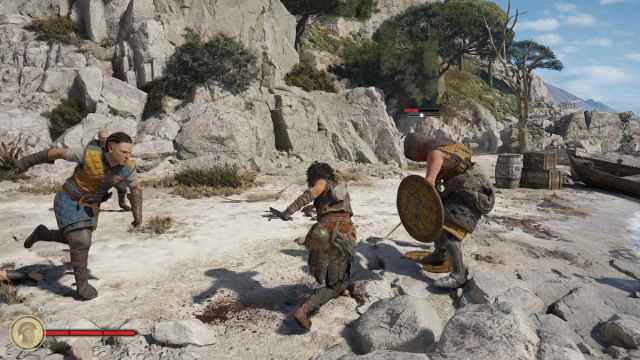
I do appreciate how enemies can be directed into each other, and there’s a neat variety of finishers, but for the most part, you’ll settle into a predictable rhythm where you parry enough attacks to stun enemies before dealing heavy damage. There are also some light RPG elements, with charms that you can find around the island and equip. I like how Sophia actually wears them as jewelry, but they provide the usual passive bonuses and aren’t something you’ll think too much about.
The Beast in the Labyrinth
Finally, there’s the creature itself. Again, I don’t want to give away too much, but let’s just say Asobo has found another way to show off its technical prowess with something terrifying, consistently dangerous, and difficult to describe. Whenever you’re in an underground area or somewhere without many light sources, you can expect this entity to appear and stalk you with complete ruthlessness.
It tracks your movements and uses the environment to find you by literally breathing in, making its AI genuinely frightening to deal with. When you’re caught outside a patch of light, there’s very little you can do to counter it. If it catches up to you, you’re dead instantly. Sure, many of your encounters with it take place during scripted sequences, but there are also moments where you have to work around its presence as it hunts you across a much wider area.
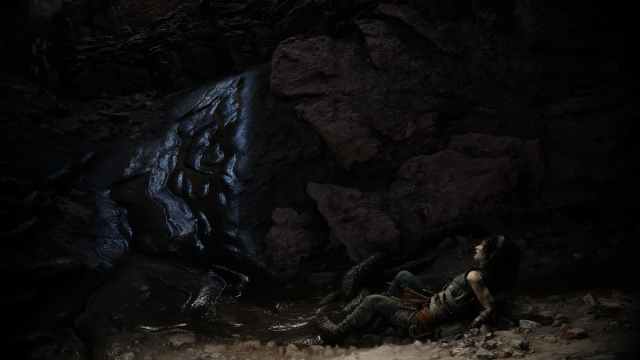
It reminded me a bit of Alien: Isolation, where you’re largely helpless against a relatively intelligent creature whose only desire is to end you. That sense of vulnerability and the introduction of these survival horror sequences are some of the most memorable parts of Resonance.
Technical Showcase
To the surprise of no one, Resonance is yet another beautifully crafted title built on Asobo’s Zouna Engine. It’s jaw-droppingly gorgeous, with some of the best character models I’ve seen in a while. The island constantly manages to wow you with its beautiful beaches, dense forests, massive statues, towering doors, and all sorts of birds and animals roaming around. The gorgeous lighting ties it all together, making the surface feel vibrant and alive.
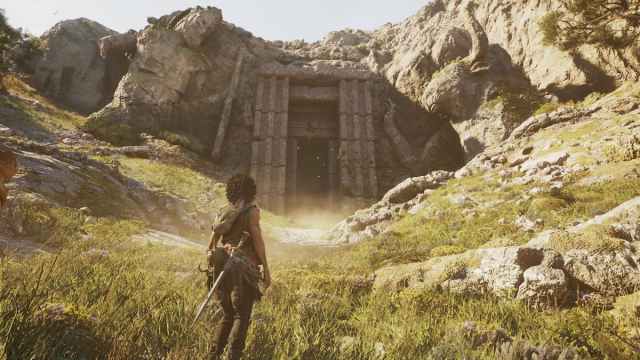
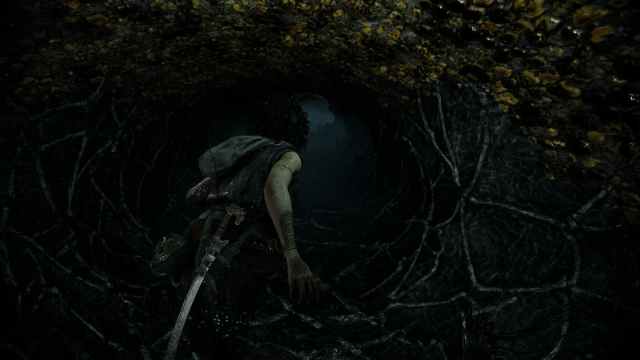
In direct contrast, when you’re underground and exploring the ruins left behind by the creature, you’ll find hell on earth. Bones, rocks, dirt, and decaying remains coat every inch of the surface, while petrified bodies, their life seemingly sucked out, constantly remind you of what lurks beneath the island. Having to crawl through all manner of nasty puddles only makes you squirm at every corner. Both aspects match the game’s focus on light and dark. The island’s surface has an inviting, paradise-like quality that hides a rotten secret underneath.
Performance on my PC was stellar. I had no problem getting over 100 FPS on my 4070 Super paired with a Ryzen 5700X3D, with DLSS set to Quality. It’s also an incredibly sharp game, with no noticeable blurry artifacts. There were minor stutters here and there, but performance was rock solid otherwise. Plenty of settings to tweak and effects to toggle give you a lot of control over the visual experience.
Verdict
Resonance: A Plague Tale Legacy is another great entry in the series, with strong characters, involved puzzles, a dense atmosphere, and a terrifying creature that constantly feels like it’s hunting you from the shadows. Its revamped combat doesn’t quite reach the same heights, but Sophia and Leni’s relationship and the game’s exploration of companionship, grief, and parental figures beyond blood are what I’ll remember most. Resonance doesn’t reinvent the A Plague Tale wheel, but it understands what made the previous games work and puts its own spin on those ideas, even if the combat doesn’t quite hit the mark.

Resonance: A Plague Tale Legacy
Strong characters, fun puzzles, great pacing, and a terrifying creature make Resonance a memorable adventure, even if its revamped combat feels too safe and conventional.
Pros
- Strong character writing and relationships
- Clever, multi-step environmental puzzles
- Excellent pacing and gameplay variety
- Terrifying creature encounters
- Stunning visuals and atmosphere
Cons
- Combat feels safe and conventional
- Some story ideas could've been a bit more fleshed out
A copy of this game was provided by the publisher for review. Reviewed on PC.


