
SEGA’s Seiji Aoki on Virtua Fighter’s EVO Comeback and Expanding Global Scene
Here to stay!

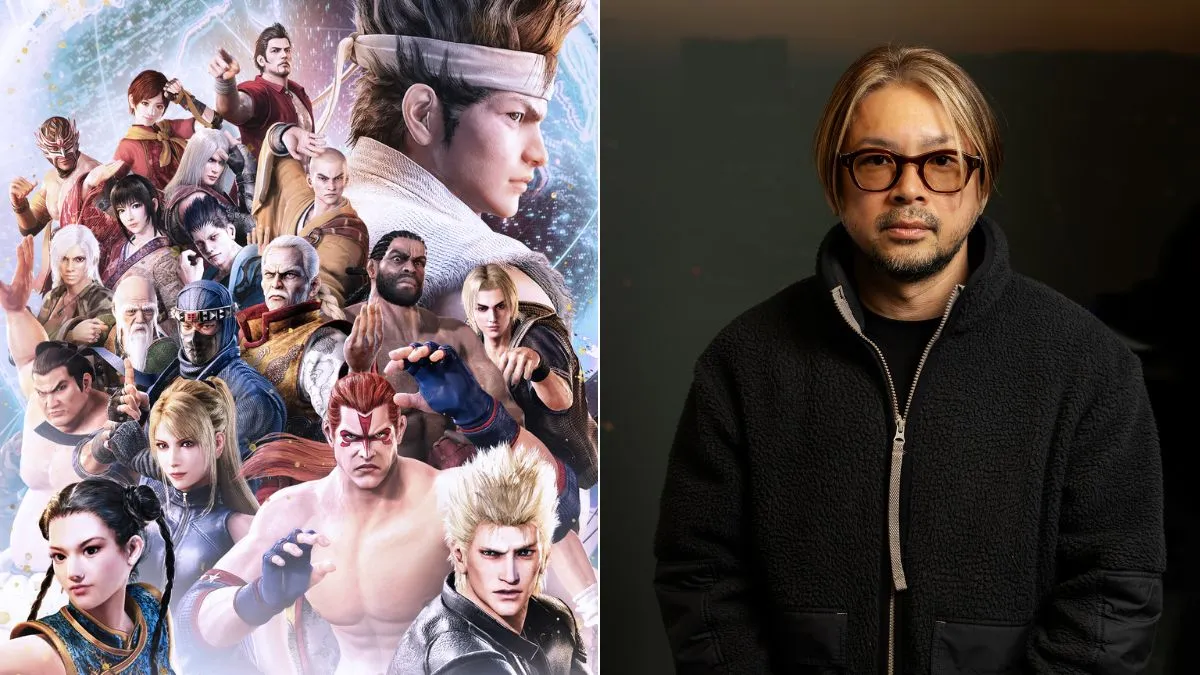
Virtua Fighter is stepping back into the spotlight in a big way, with a growing competitive scene and a long-awaited return to the EVO main stage in 2026. Following the Virtua Fighter Open Championship success and renewed interest, the series is entering a new phase under SEGA and RGG Studio.
I spoke with SEGA’s Seiji Aoki, producer of the Legacy Virtua Fighter project, about the game’s competitive resurgence, the philosophy behind its enduring design, and what players can expect as Virtua Fighter continues to expand on the global stage.
Virtua Fighter Interview with Seiji Aoki
Tonchan took home the prize at the Virtua Fighter Open Championship Finals after an incredible grand final. How does the team feel seeing renewed interest in the Virtua Fighter competitive scene?
Seiji Aoki: My development team and I are really grateful for the support. The appeal of Virtua Fighter comes from the depth of its matches, where players need strong strategy and mind games. Because it is such a competitive title, many different playstyles naturally develop, and I think that variety is a big part of what makes the series so appealing and why fans have supported it for so many years.
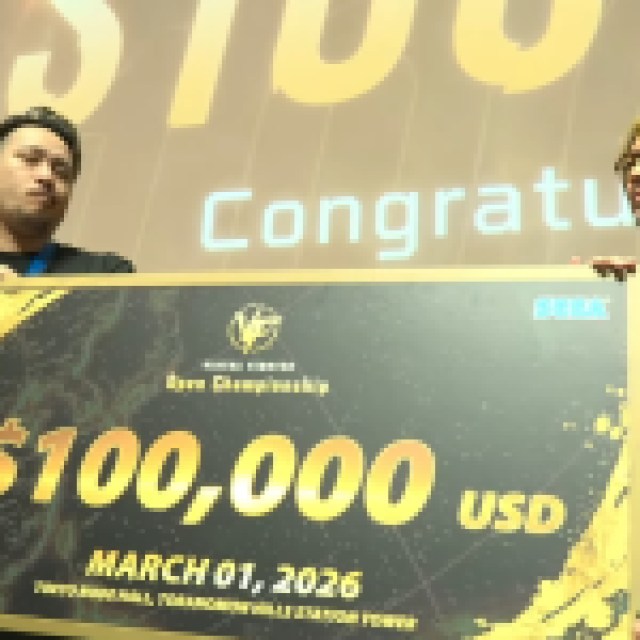
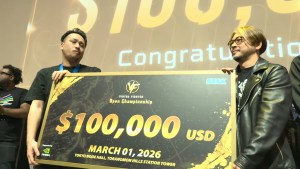
We also spent about a year running the first official global tournament in the history of the series, the VIRTUA FIGHTER Open Championship. I was very pleased that we could provide a place for communities around the world to connect and discover new rivals and friends, and I am especially happy for Tonchan, who earned the title of champion.
It has been quite some time since Virtua Fighter was part of the main lineup at Evolution Championship Series. With Virtua Fighter 5 R.E.V.O. World Stage confirmed for Evolution Championship Series 2026, how does the team feel about seeing the series return to that stage?
We are very happy about this as well. For the Virtua Fighter series, appearing at EVO with this title is probably the first time it’s been on the main stage since VF4 Evolution and VF5 Final Showdown. Being selected for EVO, one of the largest and most influential fighting game tournaments in the FGC, is a wonderful opportunity to introduce the appeal of Virtua Fighter to an even wider audience. We are extremely grateful and excited.
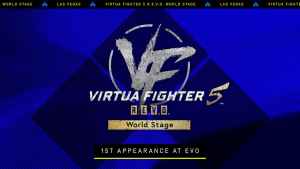
At the Global Finals, we also announced the VIRTUA FIGHTER Open Championship 2026, or VFOC2026. This time, we plan to hold tournaments in regions we have never covered before, such as South America and Oceania. By running VFOC2026 using Virtua Fighter 5 R.E.V.O. World Stage and helping discover and grow new communities around the world, we hope to create an environment where players can continue enjoying the game for many years to come.
Virtua Fighter has always taken a more grounded and methodical approach compared to other fighters. In your experience, what keeps that style exciting for players and fans today?
I have been involved with the Virtua Fighter series since the development of Virtua Fighter 4. Since I was originally part of AM2, I continue to value and carry on the DNA I inherited from Yu Suzuki, the creator of Virtua Fighter.
From an early stage, Yu Suzuki aimed to create a realistic fighting game, and he brought in motion capture and research into real physical movement. Real fighting sports have ring outs, and the choice to avoid projectiles and flashy effects in favor of a grounded full‑contact style all comes from that core concept of realism.
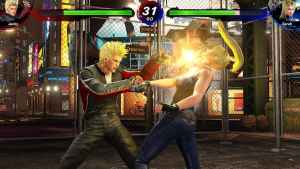
Because of this pursuit of realism, the biggest appeal of Virtua Fighter lies in its matches, which demand deep strategy and high‑level mind games. Even with this level of depth, the series still uses a simple three‑button control scheme, and I think that balance between accessibility and depth is one of the key reasons fans have loved Virtua Fighter for so many years.
A lot has changed for fighting games, especially 3D fighters, over the past decade. What key lessons has the team learned from continuing to iterate on Virtua Fighter 5 over the years?
One thing I have learned from working on the series for so many years is the importance of modernizing the game to match the trends and expectations of each era. To do that, you need the ability to clearly recognize what must never be changed and what absolutely needs to change, and you need a good sense of balance between the two. I believe the most important thing is that the entire development team understands this and approaches the creation of each new title with that mindset.
With tools like rollback netcode and advanced training modes becoming standard in fighting games, which features do you think players rely on most when preparing for Virtua Fighter tournaments these days?
Being able to review your own matches, jump back to specific moments, and try out different approaches over and over again helps you discover areas to improve, notice new ideas, build on your strengths, and overcome your weaknesses.
We have included exactly that kind of feature in Virtua Fighter 5 R.E.V.O. World Stage, so I hope players will take full advantage of it. If there are any features players feel are missing or anything out there they would like to request, we would really appreciate hearing from them through the official Discord.
Virtua Fighter’s roster is known for representing a wide range of real-world martial arts. When designing new characters or revisiting existing ones, how does the team decide which fighting styles to explore?
It may sound obvious, but the first thing we focus on is choosing a fighting style that does not overlap with any existing character. From there, we look at a wide range of traits and styles that players across different regions can relate to, and we consider all of that together with the character’s visual design. We usually make decisions after taking this full picture into account.
Many competitive players today were introduced to fighting games through more recent titles. What do you think makes Virtua Fighter special for a new generation of players discovering it for the first time?
Among fighting games, Virtua Fighter is often seen as difficult, but this title offers deep gameplay while keeping things very simple. With its three‑button control scheme and its realistic, full‑contact presentation that avoids projectiles and flashy effects, the game is easy to approach yet has a lot of depth.
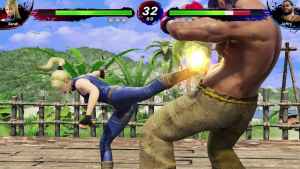
The biggest appeal is the high‑level mind games that happen during matches. Because it is such a competitive game, many different styles of play emerge, and that variety is a major part of what makes the series so engaging. For players trying the game for the first time, I hope they will experience that unique appeal for themselves.
With the current Virtua Fighter scene thriving, what’s been the most exciting moment for you recently, whether in tournaments, fan interactions, or community play?
Over the past year, we held VFOC qualifying tournaments in regions all around the world. I attended every one of them, and I was able to see the players’ performances and the efforts of their local communities firsthand. As a developer of the Virtua Fighter series, having that kind of experience was a first for me, and it was something I truly enjoyed.
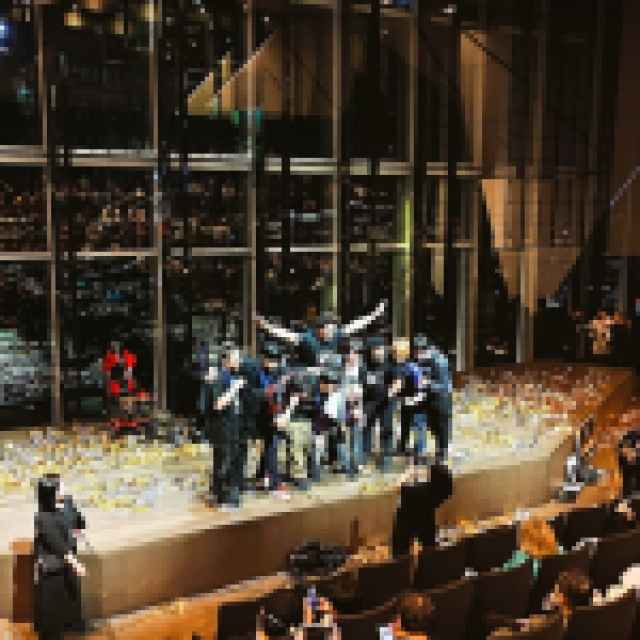

At each venue, many VF fans personally shared words of thanks and encouragement with me. I was very grateful for that, and those messages have become a great source of motivation for the future.
As someone who works closely with fighting games every day, are there any fighting games you particularly enjoy playing right now outside of Virtua Fighter?
When it comes to other fighting games, I sometimes watch match footage or check community discussions for reference and research, but I do not play them too much. As for my personal hobbies, I really enjoy zombie‑themed games and movies, and I often spend my free time watching or playing those kinds of works.
Thank you so much for your time. I wish RGG Studios the very best for the future of Virtua Fighter.
We hope for your continued support of Sega and the Virtua Fighter series.
Virtua Fighter 5 R.E.V.O. World Stage is now available on the Nintendo Switch 2, along with update 1.10 for all platforms.


