
Modulus: Factory Automation Review: Fills the Factorio-Shaped Hole in Your Life
A good way to stimulate your brain.

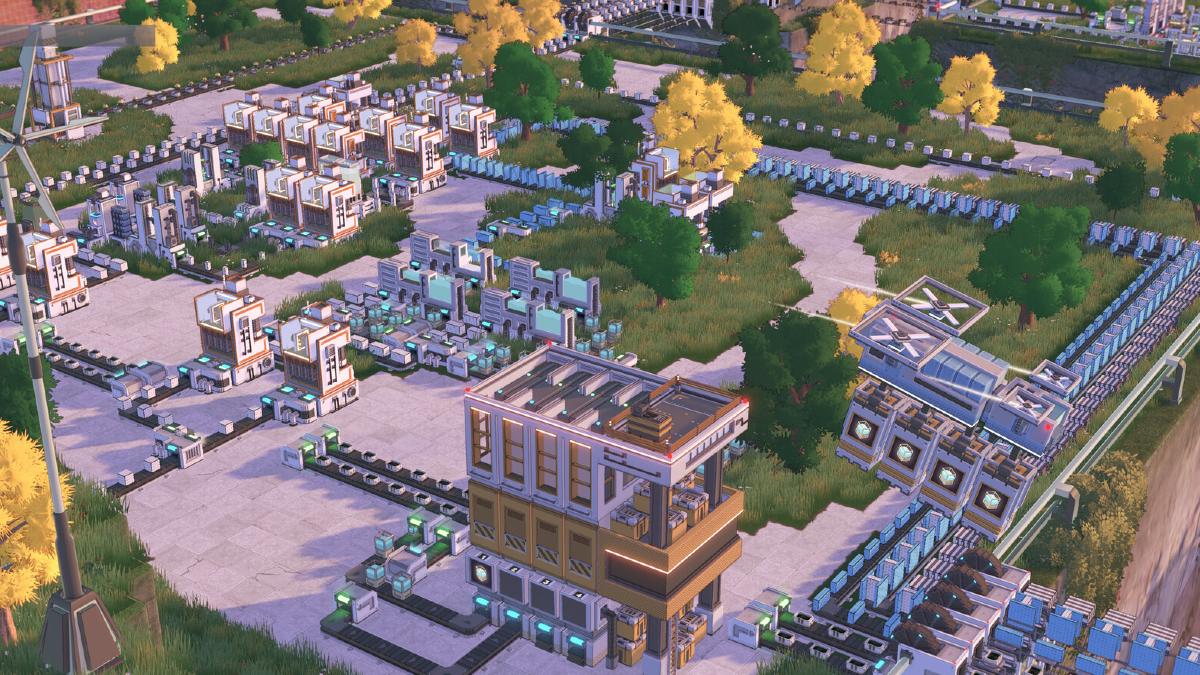
Modulus: Factory Automation is a straightforward game: create your dream factory through automation using increasingly complex modules. You’ll need to rack your brain while computing intricate logistical problems, like running several production lines as part of one big factory.
It is up to you to decide whether to design your islands for aesthetics, efficiency, or both. After diving deep into the game and a few sleepless nights, I was immediately reminded of spiraling from problem to problem while playing Factorio.
Modulus Feels Like a Good Mix of a Puzzle Game and Factorio
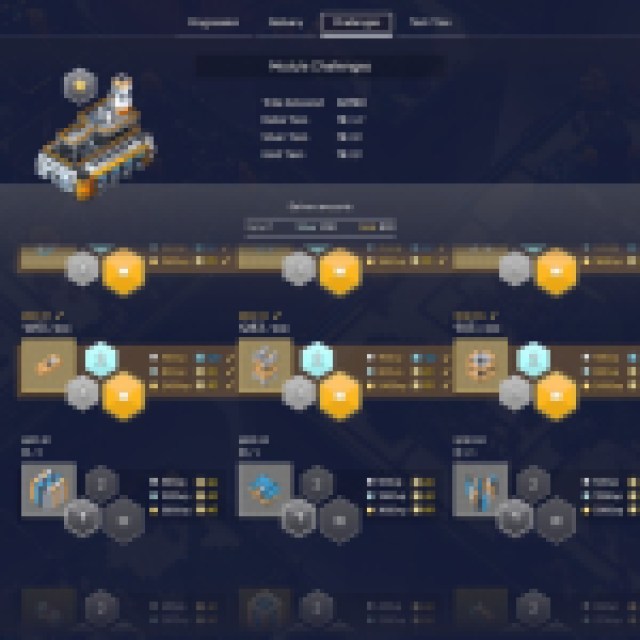
When you play a lot of factory automation games, the early hours of learning the game are critical. Modulus: Factory Automation does this really well. The game jots down the basics, from getting the raw resources to refining, all the way to producing in the core facilities, in a long tutorial.
No crucial step is skipped, but you’ll encounter one big aspect of what makes Modulus unique – its unique puzzles. All automation games revolve around progressively more complex calculations. Modulus introduces a puzzle into the process by manufacturing modules in specific sizes on the production line.
Facilities require specific module sizes, so you need to use cutters to achieve the desired dimensions. The process gets complicated in the same way you would build a LEGO creation. You’d encounter problems where you need to build 2x4x2, 4x2x2, and 4x4x2 modules and assemble them together.
As you progress, it even gets crazier. Some require different colors, adding another step to the production line. Each additional step compounds your logistics problems, and you can kind of get where this is going already.
The tech tree is overwhelming at first, but it motivates you to keep going and unlock more cool things – especially if you consider space efficiency and speed upgrades as “cool things.”
Inventory management becomes a key problem as you progress, but those who like to emphasize design over efficiency will have problems immediately, as the islands are quite small. The game has a unique design where you must expand by acquiring other islands that aren’t connected.
While there are skylines that help you get products to different islands, it is an extremely painful logistics problem to solve, and sometimes you just want to keep everything in two or three islands.
As for the progression system, it may feel a bit weird, especially if you like to play slower. Progressing requires a currency called Datashards, which is obtained through delivering specific items through the Delivery Dock. These Datashards are spent in your Tech Tree to advance.
When you get stalled in other production lines, you may get a massive stockpile of Datashards, giving you more upgrades without even progressing. However, the upgrades are categorized in tiers (Grey, Blue, and Yellow), which prevents you from progressing too fast anyway. For those who play Factory Automation games like Factorio or Satisfactory, this progression will feel eerily similar.
While I’m still far from reaching the end, it is easy to see what’s next through the tech tree and the module lists. Things start to get a bit stale, doing the same concept for progression. I wish there were more variety to the modules or the game systems, but that might be too greedy, as I feel the game is pretty complete. Surely, there’ll be more to come in this hidden gem.
Modulus: Factory Automation Feels Ridiculously Fluid on Launch
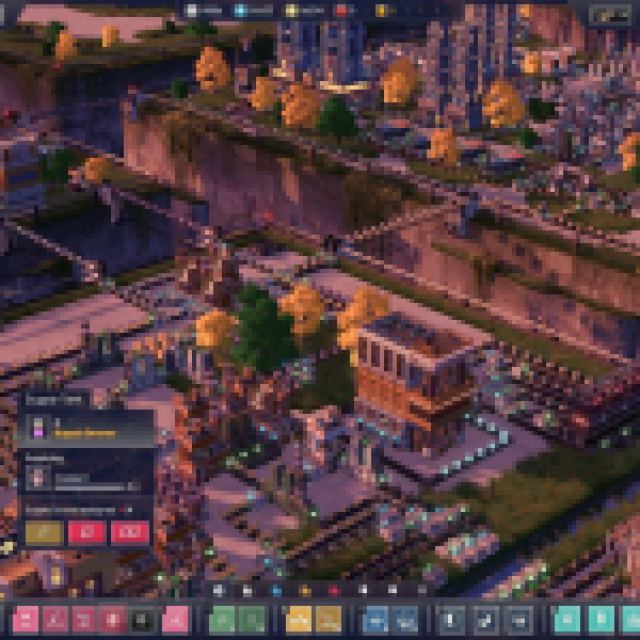
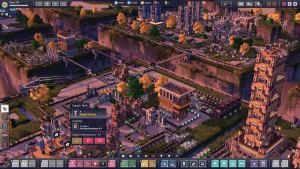
One of the biggest surprises for me was how fluid the game felt from start to my current progress. Conveyor belts are easy to manage, making the logistics aspect way more fun to tinker with. The snaps are satisfying; the inputs and outputs are easy to digest.
There are some nuisances with how the Polyrocks (basic resources) are placed, but it doesn’t matter as much unless you are a madman wanting to capitalize on every single resource on an island, which I don’t even think someone could ever utilize all these available resources in one island independently – pretty sure someone would try and succeed.
The progression is smooth, and the game really lets you focus on what you are playing the game for: automation. Modulus: Factory Automation is by far a must-try for anyone who is already into the genre, and there’s also room for those who also want to try something new than what they usually play.

Modulus: Factory Automation
Modulus: Factory Automation is a deceptively simple automation games that quietly consumes your entire week. It takes the popular loop of automation sims like Factorio and layers it with a clever, almost LEGO-like puzzle system.
Pros
- Unique puzzle-based automation system adds depth to the genre.
- Intuitive building mechanics.
- Very polished game.
Cons
- Can feel a bit repetitive since it is one-dimensional (purely automation gameplay).
- Small build spaces restrict creative freedom.
A copy of this game was provided by the publisher for review. Reviewed on PC


