
I went to Japan alone and experienced a gamer’s dream trip on a budget
It's only a budget trip with a little self-control.

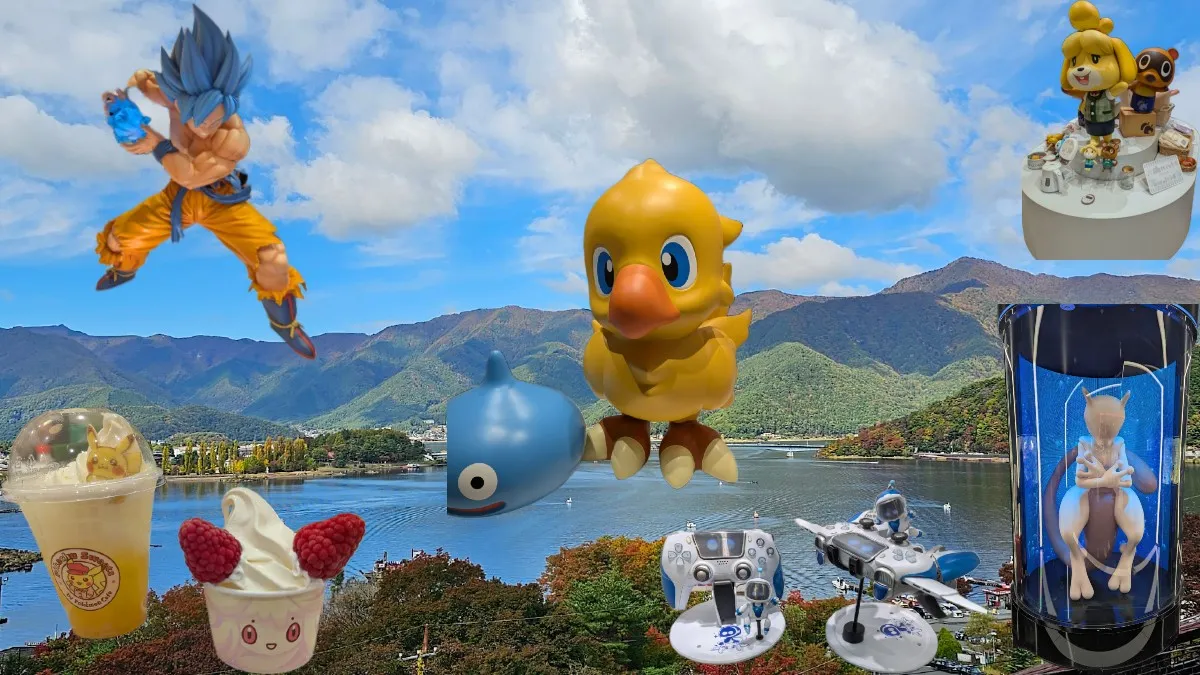
Japan has long been a bucket-list destination for gamers. It’s the birthplace of some of the most influential franchises in the industry, the home of legendary developers, and a country where arcades, collectibles, and gaming culture are on an entirely different level.
But for a long time, the idea of going there felt reserved for people with a massive travel budget. Flights, hotels, food, and all the inevitable impulse buys in places like Akihabara can add up quickly.
When I finally decided to take the leap and travel to Japan alone, I went in with a simple goal: experience as much of the country’s gaming culture as possible without completely destroying my bank account.
The result was a trip that felt tailor-made for a lifelong gamer. The best part? With a bit of planning and the right mindset, turning a solo Japan trip into a gamer’s dream adventure doesn’t have to cost nearly as much as you’d think, and here’s how mine went down.
Akihabara
Figures, Gifts for Gamers, and Collectibles
Akihabara is by far the dreamiest hub for anime fans and gamers alike. Going to this buzzing “electric city” feels like a mandatory visit for any gamer.
As soon as you leave the train station, you’ll find stores you’ll be itching to see. First, a visit to Radio Kaikan is a must; it is right next to the station.
Radio Kaikan is a 10-story shopping building containing almost everything, such as figures (new and pre-owned), manga, trading cards, video game stores, vintage collectibles, and even exclusive events for whatever is currently popular.
Before buying any figure, I suggest visiting all levels of the store to see which is the cheapest, since the prices differ in the same shopping complex.
I’d suggest foregoing any trading card purchase, as Akihabara is also a hub for TCG players with numerous specialty stores around the area.
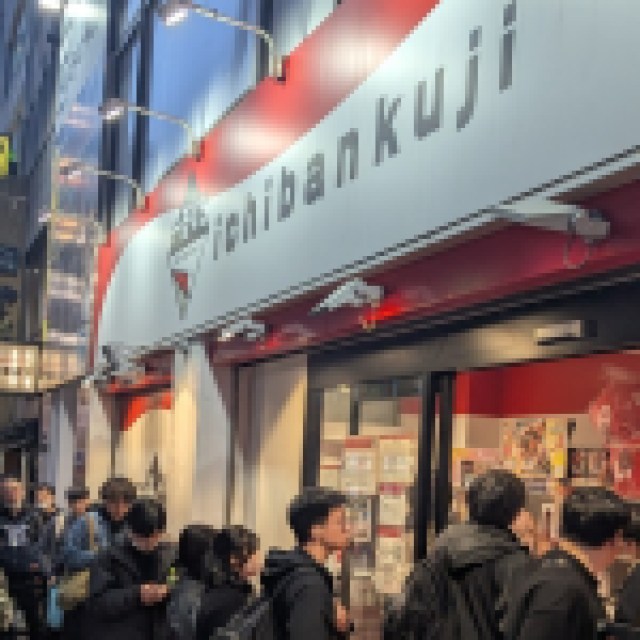
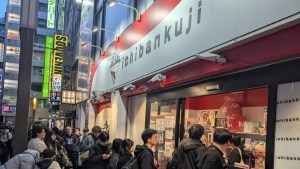
Next, if you didn’t find the figure you wanted here, you can try your luck at the Ichiban Kuji next to the station as well. This store specializes in the “gacha” mechanics every gamer is already familiar with.
There are specific collections that hold increasingly valuable goods. These goods are ranked from A-J, depending on the set. Purchasing a ticket will give you a random letter, with A being the highest, but much more limited.
However, the stock doesn’t change per set, so you can easily see which ones have already been taken. If you get to be the last one who finishes a set, you get the grand prize from the set, separate from the rewards. The tickets are cheap… as long as you don’t buy too many.
If you still haven’t found any figure or merchandise to your liking, you might find some at Mandarake and Animate, which are also nearby. If you are into Gunpla, Otachu should be your #1 destination here.
Arcades
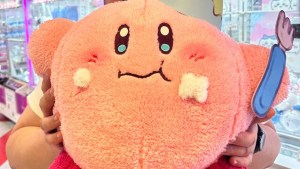
The arcade scene has taken a hit in Akihabara, but there are still some amazing arcades running. GiGO, the iconic SEGA arcade centres, is within walking distance of the station and is located along the main road. You have your typical rhythm and fighting games, but most tourists might go for the claw machines.
If you want to play those retro arcade games, Super Potato has them all, including retro merch like classic Dreamcast or PlayStation shirts.
Electronic Shops
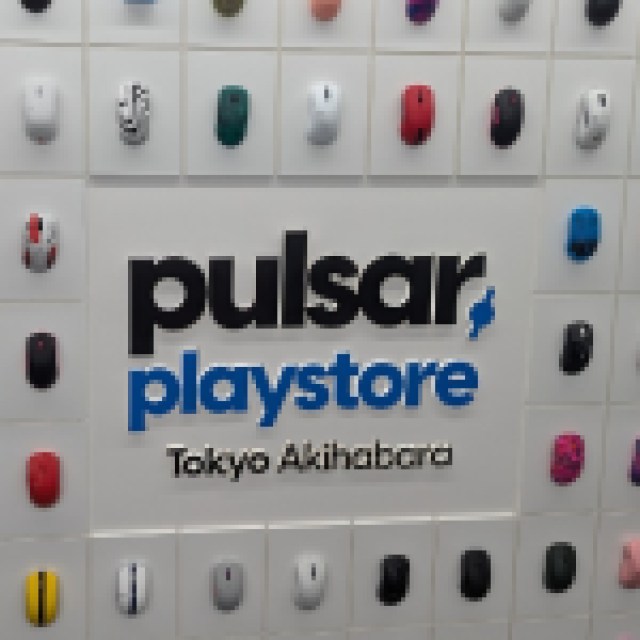
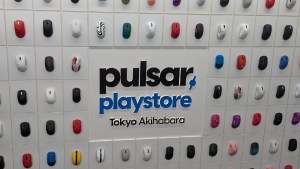
Yodobashi Akiba and BIC Camera are the go-to spots for electronic needs. Buying anything here would honestly make or break your “budget” trip. But it is worth mentioning since you can find exclusive PC peripherals here, such as a Demon Slayer-inspired (KNY) mouse from Pulsar. They even have a Bruce Lee-inspired mouse.
There are also some used GPUs for sale, including some arcade stick controllers, esports merch (even an arm sleeve for when you play competitive games, I guess), and everything you need for your gaming setup.
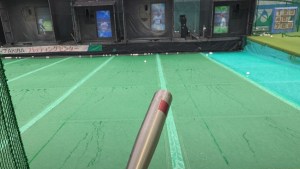
In Yodobashi Akiba, specifically, there are also floors where you can find more figures and toys. At the top of the complex, there’s both a golf driving range and a baseball batting cage.
Trading Card Shops
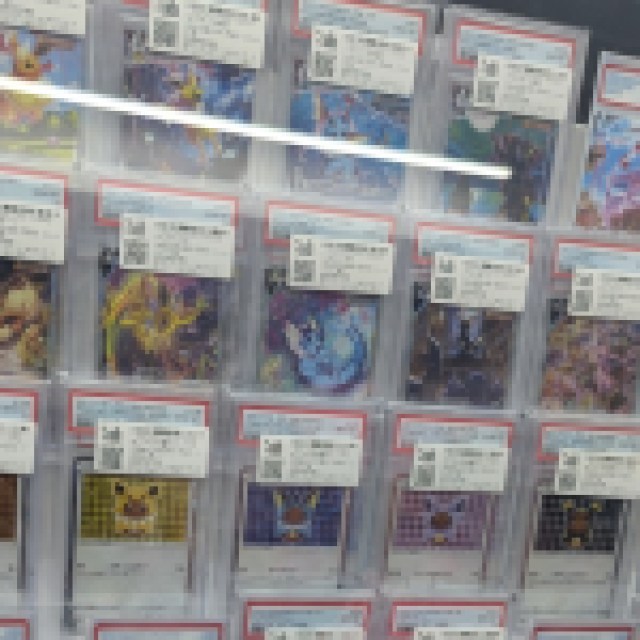
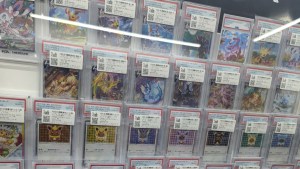
There are TCG shops everywhere in Akihabara. There’s Hareruya 2, SNKRDunk, Card Wings, Card Kingdom, Pokétown, and more. Even specialty stores like TokyoMTG are just across the bridge from the station for your Magic: The Gathering needs.
Most stores mainly handle Pokémon cards, but they also have a great variety. Flesh & Blood, Shadowverse, Hololive, Union Arena, Dragon Ball Z, and One Piece are just some of the titles they hold. Most of these sell single cards, but they also have sealed products, which are priced higher, especially Pokémon sets.
Sadly, there’s no Pokémon Center in Akihabara.
Shibuya
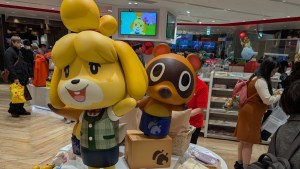
For gamers, Shibuya PARCO is a must-visit shopping complex, specifically on the 6th floor. Shibuya PARCO’s 6th floor features an official Nintendo Tokyo flagship store with all the merch from your favorite Nintendo Titles, such as Mario, Zelda, and Kirby.
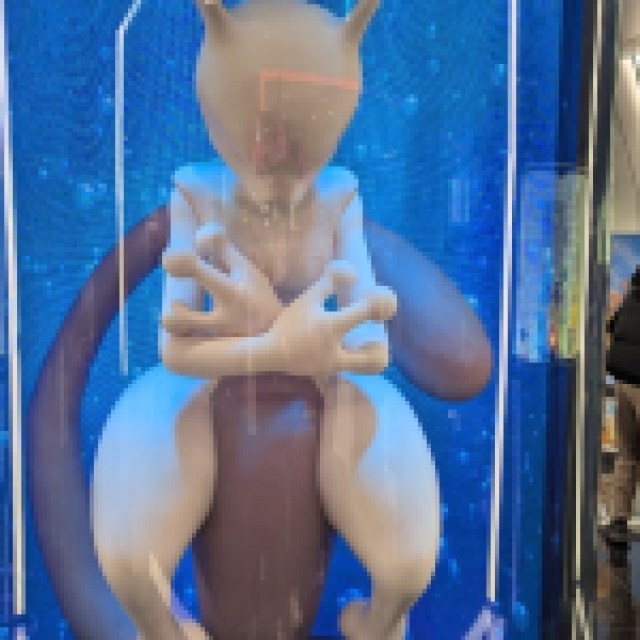
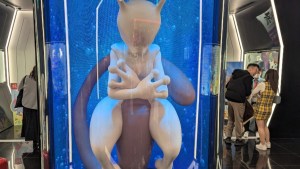
Just across the Nintendo store, you’ll find Pokémon Center Shibuya with the massive chambered Mewtwo statue at the entrance. You can also create your own Pokémon shirt in this branch, as well as buy Pokémon JPN booster packs at the cash register (if they are available). If you are looking to buy some booster packs, you’d want to come early and hope for a restock.
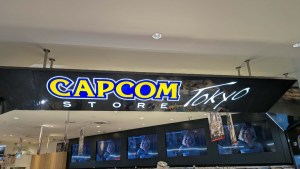
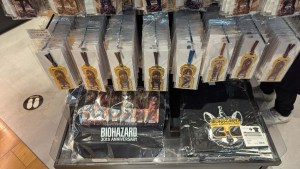
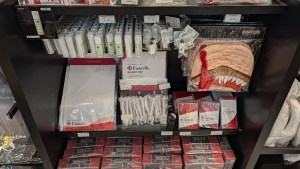
On the same floor, you can also find the Capcom Store Tokyo for your Street Fighter, Resident Evil, Monster Hunter, and Devil May Cry merchandise. Just don’t buy those massive Rathalos statues if you want a budget trip.
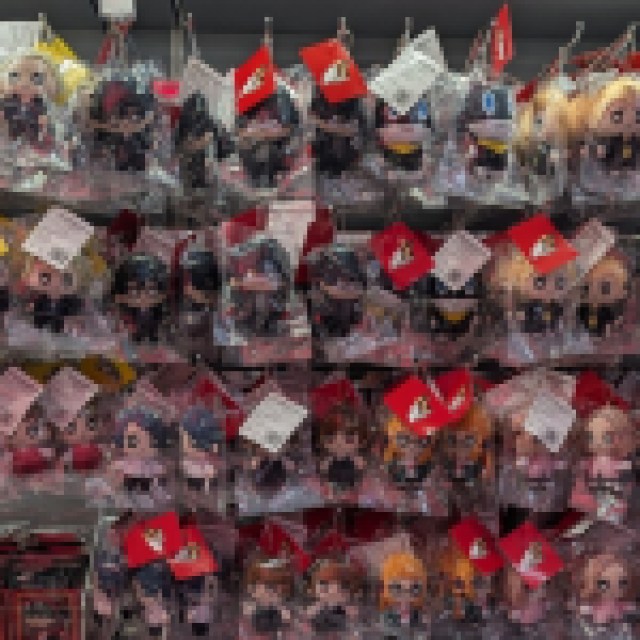

Next, we have the SEGA store, which has merch from your favorite titles like Sonic, Yakuza, and Persona. There’s also a Jojo’s Bizarre Adventure Cafe and a Jump Store to round up the 6th floor.
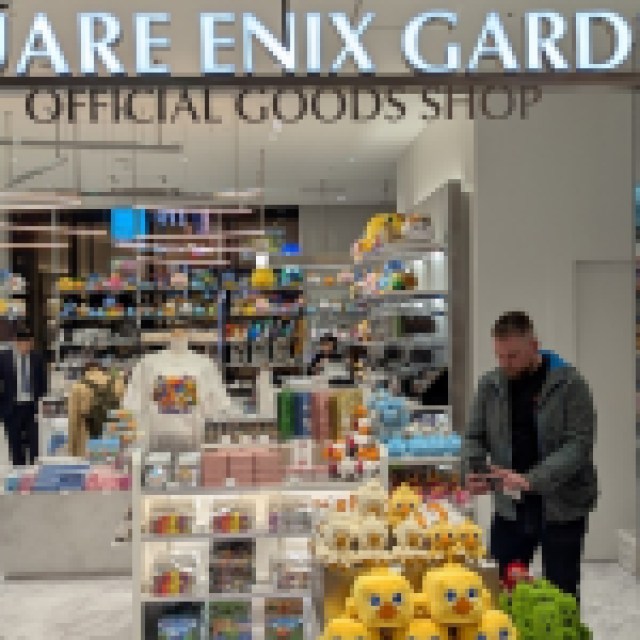
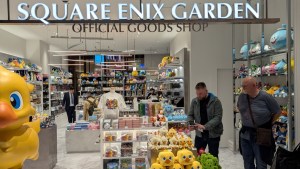
Apart from Shibuya PARCO, there’s also the iconic real-life Mario Karting experience in Shibuya, but it does cost a lot. It’s definitely worth experiencing at least once, however. Before leaving Shibuya, you can also visit the Square Enix Garden store near the station.
Asakusa
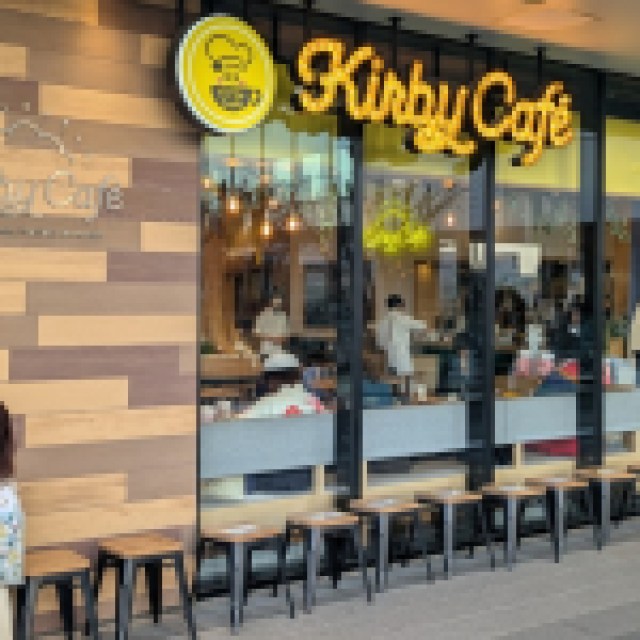

Tokyo Skytree is the go-to destination for both gamers and tourists in Asakusa. Pokémon Center Skytree is one of the most-visited Pokémon Centers in Japan. It has a jaw-dropping Rayquaza statue and even a popular arcade game, Pokémon Terastal, launched in 2024.
Apart from the Pokémon Center Skytree, there’s a cute Kirby Cafe in the Skytree, but you’d want to get a reservation early to get inside, as it is very popular among tourists and locals.
There are also samurai-themed activities around if you want to continue the gamer theme of this trip. But you can also just sightsee and visit the observation deck or even the Sumida Aquarium since you are already here.
Ikebukuro
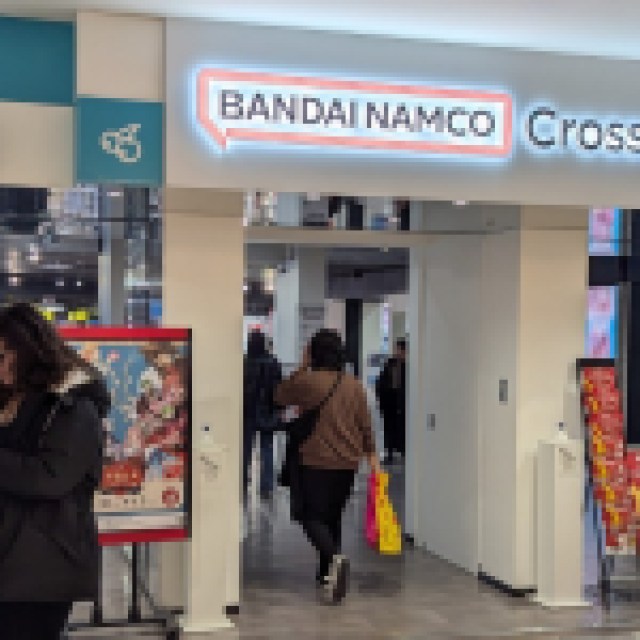

The best place to visit in Ikebukuro for gamers is the popular Sunshine Mall in Sunshine City. There’s another Pokémon Center here (Pokémon Center Mega Tokyo), which has a Pokémon GO Lab, a Pikachu Sweets Cafe, and a Pokémon TCG play store, all located inside the mall.
In the basement area of the mall, you’ll find stores like ジブリガイッパイドングリキョウワコク (a Studio Ghibli store), Sanrio Vivitix, the adorable Chiikawa Park, a Disney store, a Toys “R” Us, a Marvel Store by Small Planet, and a One Piece Mugiwara store.
On the top floor, there’s also Bandai Namco Cross Store Tokyo, a place with its own Ichiban Kuji, gachapons, and several anime character goods, arcades, and TCGs (mostly centered around the One Piece TCG).
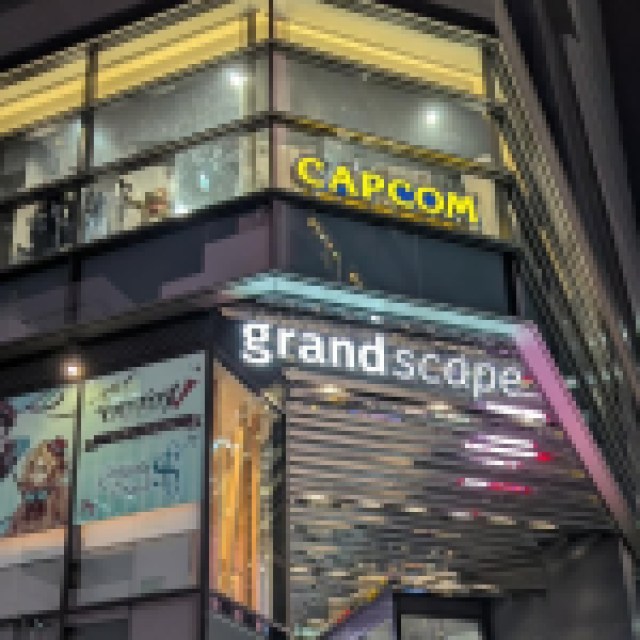
Ikebukuro also has a Capcom Cafe, but it is quite different from the one in Shibuya since it focuses more on gachapons and arcade claw machines.
In the end, what made the trip memorable wasn’t just the places—it was finally experiencing the gaming culture I had spent years reading about and seeing online. Walking through Akihabara’s packed figure stores, browsing entire floors of official merch in Shibuya PARCO, and stumbling into arcades filled with rhythm games and claw machines felt like stepping straight into the world that shaped so much of my gaming life.
Traveling solo also helped make the experience feel more personal. Some days were spent hunting for a specific collectible, while others were just about exploring whatever store or arcade happened to catch my attention. Those small, unplanned moments—finding a rare figure, discovering a retro game shelf, or trying one more crane machine—ended up being some of the best parts of the trip.
More importantly, the trip proved that a gamer-focused visit to Japan doesn’t have to completely drain your accounts. With a bit of planning, a lot of walking, and just enough self-control when browsing collectibles, it’s entirely possible to turn a solo trip into a gamer’s dream adventure on a reasonable budget.
For gamers who have always wanted to see Japan for themselves, the experience is absolutely worth it—and it might be more doable than you think.


